Quick Answer
Restoring your core and pelvic floor after birth doesn’t require traditional crunches or sit-ups. Hypopressives use gentle breathing and posture work instead, and can genuinely help. Many women find real improvement in core strength, posture and pelvic floor function with consistent practice. Your stomach muscles typically come back together on their own by around 8 weeks postpartum, so it’s worth checking your separation and having your postnatal check before starting a new core routine. Learning the technique properly from a qualified instructor makes the biggest difference to how much you get out of it.
Postnatal Hypopressives for Restoring Pelvic Floor Function and Core Strength
The postpartum period brings immense joy but also many unique challenges for new moms. Pregnancy and birth can strain the pelvic floor and abdominal muscles. This can lead to pelvic organ prolapse, leaking urine, and diastasis recti (separated abs). Hypopressives, a core rehabilitation system, can gently restore the pelvic floor and core after having a baby.
What is Hypopressives?
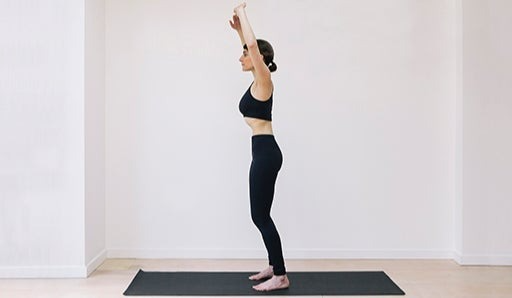
Hypopressives, also called Low Pressure Fitness (LPF), use breathing and posture techniques. Unlike regular core exercises with forceful muscle contractions, Hypopressives create an “inner vacuum” in the belly. This activates the deep core muscles like the pelvic floor and transverse abdominals without adding pressure. Hypopressives reduce strain on pelvic organs and tissues. These postnatal abdominal exercises restore pelvic floor function, strengthen the core, and improve posture.
Hypopressives Benefits for Post-Birth Core Recovery
Pelvic Floor Rehabilitation: Hypopressives specifically target and strengthen weakened pelvic floor muscles from pregnancy and childbirth. An 8-week randomised controlled trial (Molina-Torres et al., 2023) found real improvements in pelvic floor strength, helping women regain control and support.
Closing Diastasis Recti: Hypopressives engage the deepest abs, like the transverse abdominals, from the inside out. This assists in healing and closing the separation of the abs that can happen during pregnancy.
Gentle and Safe: Unlike high-impact exercises that may strain healing muscles, hypopressive exercises offer a gentle, low-impact core strengthening approach. This is especially important in early postpartum recovery.
Better Posture: Hypopressives encourage proper posture and alignment, which provides core stability. Good posture also eases post-birth back discomfort.
Increased Circulation and Drainage: The breathing techniques promote circulation and lymphatic drainage. This reduces swelling and aids postpartum healing.
Before You Start: Checking In With Your Body
Most stomach-muscle separation from pregnancy comes back together on its own by around 8 weeks postpartum, and NHS guidance recommends using your postnatal check, at around 6 to 8 weeks, to talk through any physical concerns before starting a new exercise routine. If you’re not sure whether your gap has closed, or you have any pelvic floor symptoms, getting checked by a GP or pelvic health physiotherapist first means your core work actually fits what your body needs.
Adding Hypopressives to Your Post-Birth Routine
It’s important to learn Hypopressives from a qualified postpartum instructor. They will teach proper technique to engage the right muscles safely.
Start slow and gradually increase difficulty as your body adapts and builds strength. Do dedicated practices or integrate hypopressives into daily life. Pairing this with a wider postnatal workout plan or postnatal Pilates can round out your recovery once your core work is underway.
Integrating hypopressive exercises into a postnatal routine can safely restore pelvic floor strength and core function after pregnancy and childbirth. With proper guidance, new moms can rebuild their core with this gentle, low-impact approach.
Getting started with postnatal core exercises
To get the most out of your time and effort in the Hypopressives classes, it is important that you learn the Apnea breathing technique. It also ensures that you are carrying out your practice in a safe manner.
I run weekly fundamental sessions where I’ll guide you through the technique either in a one-to-one setting or in a small group on Zoom, think of it as your personal introductory tour through all the technique’s steps, with feedback given to ensure you’re on the right path. While most people understand and can apply the technique after this session, don’t worry if you need a little extra time. Some clients, especially those with tightness in their ribs and thoracic spine, may benefit from an additional session.
Once you’ve learned the technique, I recommend at least three 15 to 20-minute workouts per week to really make an impactful change. Consistency is key in this journey. After the initial session, you can start with the live and recorded classes to incorporate this effective routine into your daily lifestyle.