In short: What is Diastasis Recti Recti?
Your “six-pack” muscles, known as the rectus abdominis, separate along the midline of your tummy. The connective tissue between them, the Linea Alba, stretches and thins during pregnancy. This happens to every woman to some degree. But for many of us, that gap doesn’t close up properly afterwards. You might not have pain, but you’ll likely feel weak and unsupported.
Why This Matters
While the aesthetics are important, healing Diastasis Recti Recti is really important so that we maintain core function.
When the Linea Alba stretches and loses tension, your core support system is affected. I work with women who can’t understand why lifting their baby feels difficult, why their back aches constantly, or why simple movements exhaust them. The Linea Alba is meant to anchor and support your abdominal muscles. When it’s stretched thin, your muscles have nothing solid to pull against. Everything else compensates. Your back works harder. Your pelvic floor struggles and you have a generally feeling of weakness in that area. Research links persistent Diastasis Recti with lower back pain, pelvic instability, incontinence, and prolapse. I’ve seen how it affects daily life, from carrying shopping bags, playing you’re your children, and even getting out of bed.
Addressing Diastasis Recti Recti is about rebuilding strength so you can move with confidence.
What’s Happening Inside Your Body
As I mentioned earlier, the Linea Alba is the connective tissue running down your abdomen’s centre, joining the two sides of your rectus abdominis. When it works well, it’s taut and strong.
During pregnancy, your baby grows and pushes everything forward. The Linea Alba stretches sideways to make room, becoming thinner and wider. By the third trimester, every woman has some separation. This is quite normal.
After birth, for many women that tissue regains tension in the first few weeks and months. For others, the gap stays wide and the tissue stays soft and it doesn’t regain that original tension.
When you sit up or engage your core, you might see a dome or ridge down your stomach’s centre. That’s internal pressure pushing against tissue that can’t hold it back.
It’s important to note that it’s not just about gap width. I’ve worked with women who have quite a wide gap but good tissue tension and solid function within the core. And I’ve seen narrow gaps with soft tissue that cause real problems.
Remember that when it comes to crunches, they may strengthen the muscle on either side of the rectus abdominas but don’t address the connective tissue between. Often, they increase outward pressure, making things worse.
What Else Causes It?
Understanding what contributes to Diastasis Recti helps you make informed decisions about recovery.
Pregnancy-Related Causes
Hormonal changes during pregnancy, increased relaxin and oestrogen, soften your connective tissues so your body can expand.
If you’ve had babies close together or carried multiples, your risk increases. Your tissues haven’t recovered before being stretched again.
Carrying a large baby or having excess amniotic fluid places greater stretch on your abdominal wall. Sometimes tissue can’t bounce back from that degree of stretching.
How You Move
Research shows repeated heavy lifting (more than 20 times weekly) during pregnancy increases risk. But it’s not just weight, it’s how you lift. Bearing down and holding your breath creates pressure that forces your abdominal wall apart.
Intense ab workouts like crunches, sit-ups, and double leg lifts can strain weakened tissue if they make your belly dome. That’s your body signalling it’s too much and reassess what you’re doing.
Constipation or persistent coughing also creates repeated pressure that prevents healing.
Biological Factors
If you’re naturally flexible or hypermobile, you’re more prone to Diastasis Recti. This is because your connective tissue is softer.
Research shows older maternal age and higher BMI correlate with more persistent Diastasis Recti. This doesn’t mean recovery is impossible, but it may need more consistent work and attention.
How Do You Know If You Have It?
Diastasis Recti presents through visible signs and functional symptoms.
Physical Signs
The gap: More than 2cm (roughly two finger-widths) between your abdominal muscles, typically at the belly button or a few inches above or below.
Doming or coning: When you sit up, cough, or lift your head (when you are lying down), a ridge or bulge appears down your stomach’s centre. This indicates the tissue can’t control internal pressure.
Softness: The midline feels soft and squishy. You can press fingers in deep without resistance. This reflects lack of tissue tension.
Functional Symptoms
Core weakness: Feeling unsupported through your trunk. Simple movements like lifting objects or maintaining posture become tiring.
Lower back pain: Without proper core support, back muscles overwork to stabilise your spine. Many women experience persistent back pain that improves once they address Diastasis Recti. Pelvic floor dysfunction: Your core and pelvic floor work together. When your core system isn’t functioning, your pelvic floor struggles. This can show up as leaking when you cough or sneeze, feeling that urgency, or experiencing prolapse symptoms, like heaviness or dragging.
Bloating: Many women notice they look pregnant months after birth, or their stomach distends significantly after eating. When your transverse abdominis can’t support organs properly, everything sits differently.
Self-Check
To check for Diastasis Recti, lie on your back with knees bent, feet flat. Place two fingers just above your belly button. Exhale and slowly lift your head and shoulders slightly. Feel for muscle edges squeezing your fingers.
You’re checking two things: gap width AND tissue tension. If you feel a gap wider than two fingers, or fingers sink deep without resistance, you likely have Diastasis Recti.
A gap is normal in the first 8 weeks after birth. It becomes something to address if it persists beyond 8 weeks or affects function.
Consider seeing a women’s health physiotherapist if you’re experiencing pain, planning to return to high-intensity exercise, have Diastasis Recti and prolapse symptoms or significant incontinence, or you’re unsure what you’re feeling.
Treatment Options
Recovery focuses on conservative management first. The goal is restoring function and your ability to generate tension across the midline and support your body through daily activities.
1. Hypopressives
I recommend Hypopressives as primary intervention because they address pressure management, the root cause. traditional ab exercises increase internal pressure, pushing your abdominal wall outward. Hypopressives do the opposite. Using a specific breath-hold, what we call an Apnea, and precise postures, they create a vacuum effect drawing everything inward.
A 2024 study in PLOS ONE confirmed Hypopressive exercises effectively reduce the gap between muscles, specifically during contraction.^6 This trains your core to close and support when you need it, during functional movements.
Hypopressives also activate the deep transverse abdominis and pelvic floor without pushing your abdomen out. This helps thicken the Linea Alba and improve resting tension.
I trained in Low Pressure Fitness in Spain before having my second child. After my second birth, I practiced Hypopressives consistently. Within weeks, my core felt stronger than before pregnancy, and pelvic floor function had fully returned. The difference in recovery between my first labour (where I only did Pilates) and my second was significant. The technique requires just 10-20 minutes, three times weekly, which made it manageable with a newborn and toddler.
2. Specialised Pilates and Physiotherapy
Once you’ve re-established pressure control, progressive loading becomes important. Postnatal Pilates focusing on deep transverse abdominis helps build functional strength.
I often combine both. Hypopressives retrain your pressure system and restore tissue tension. Pilates builds load capacity of muscle fibres.
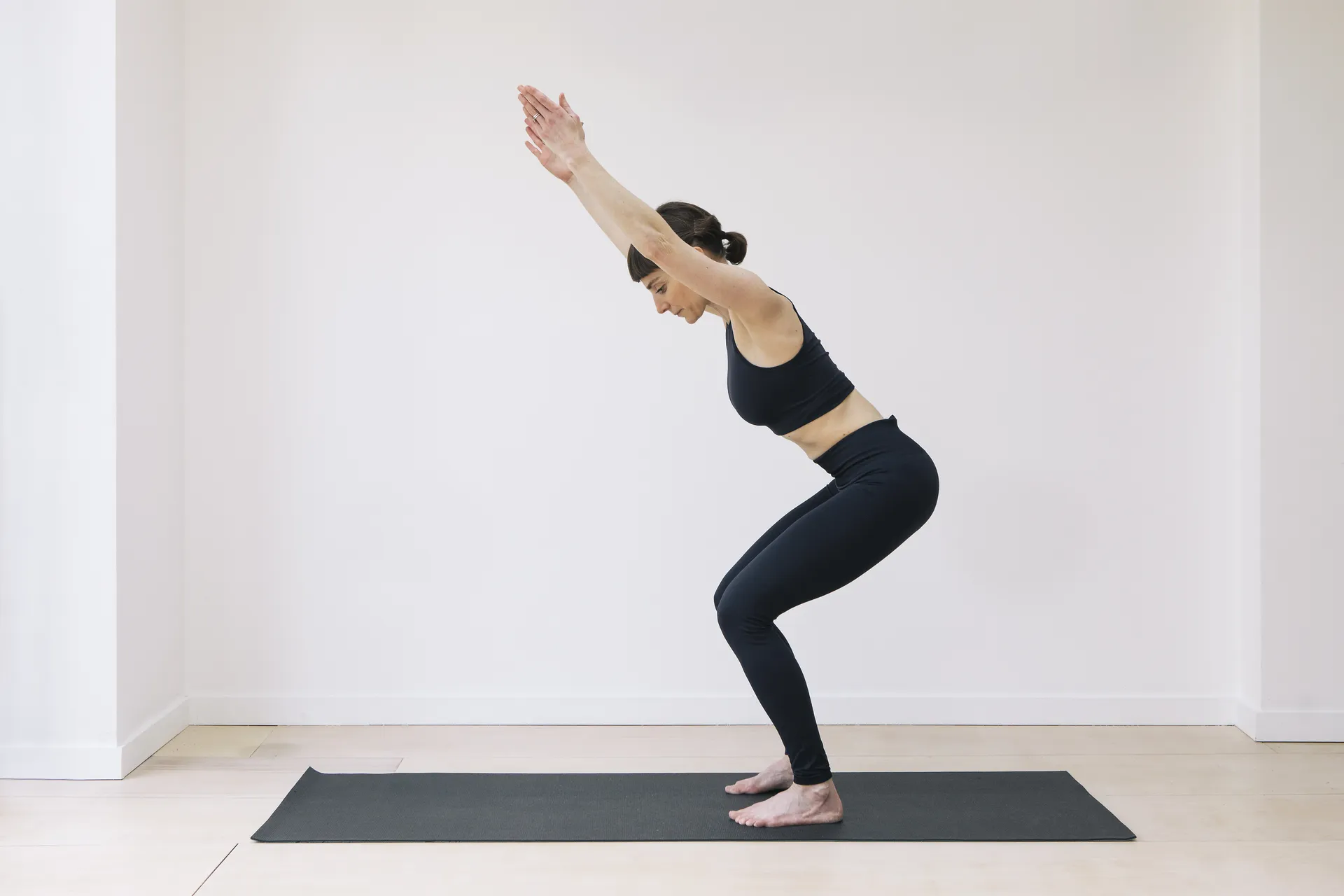
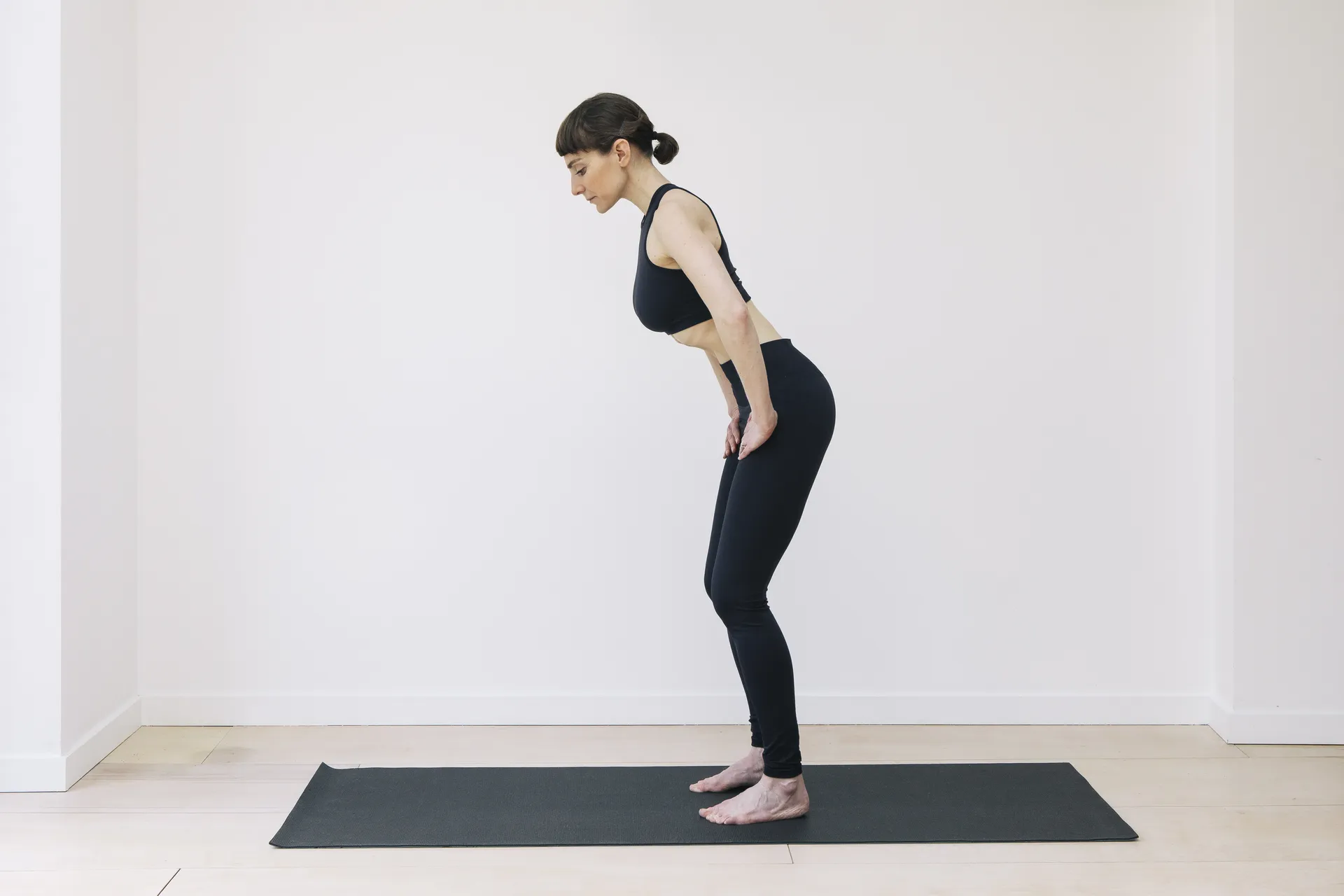
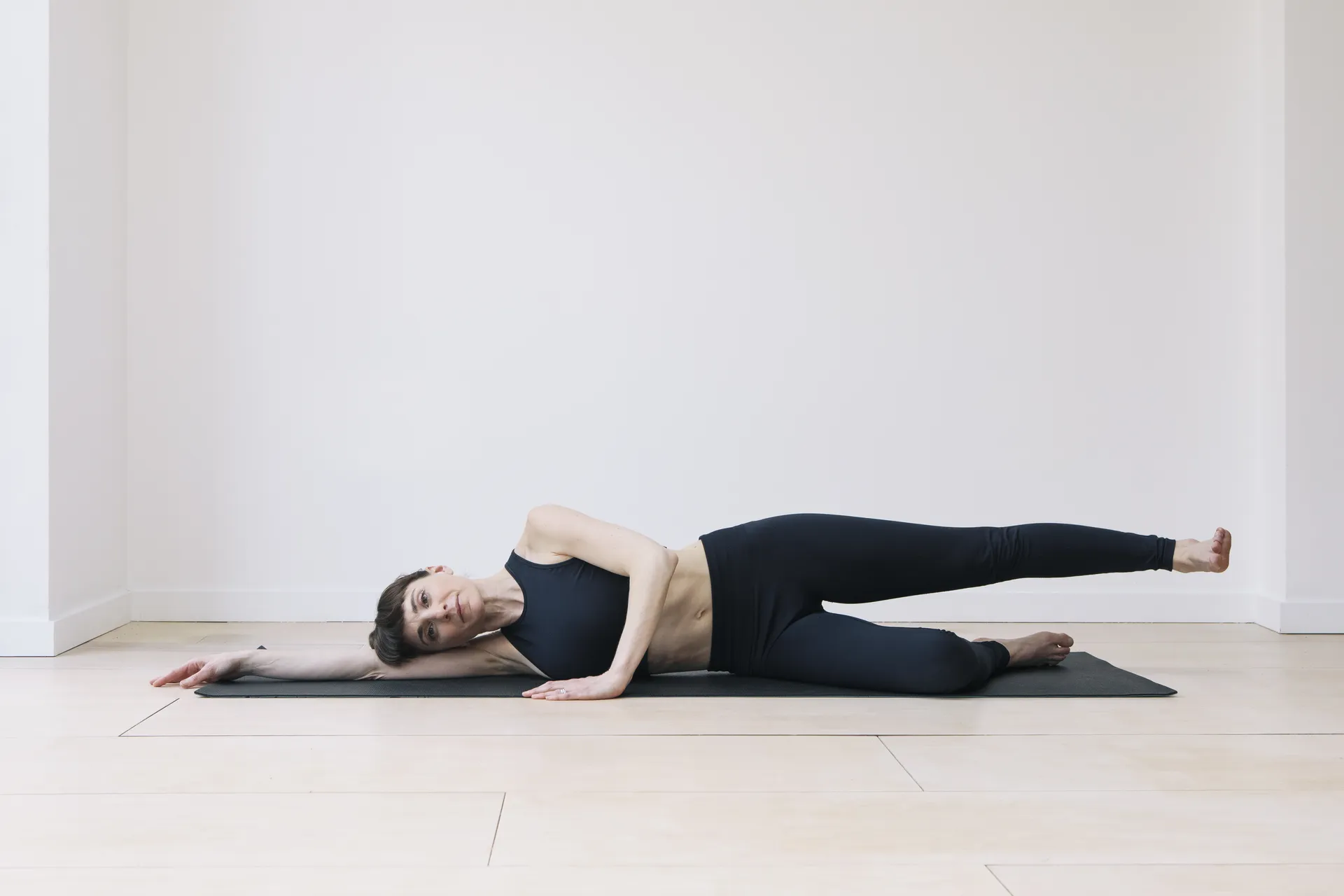
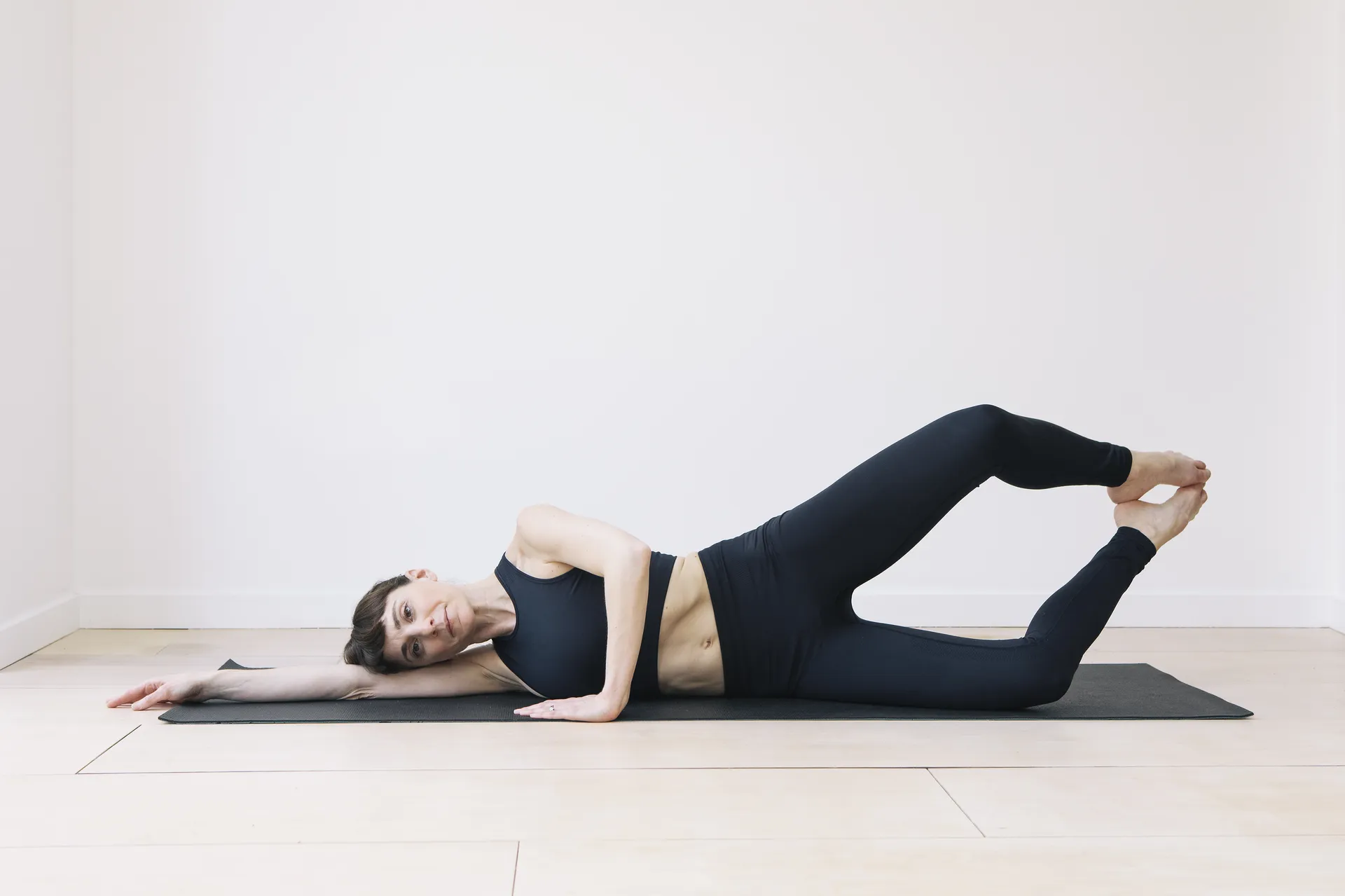
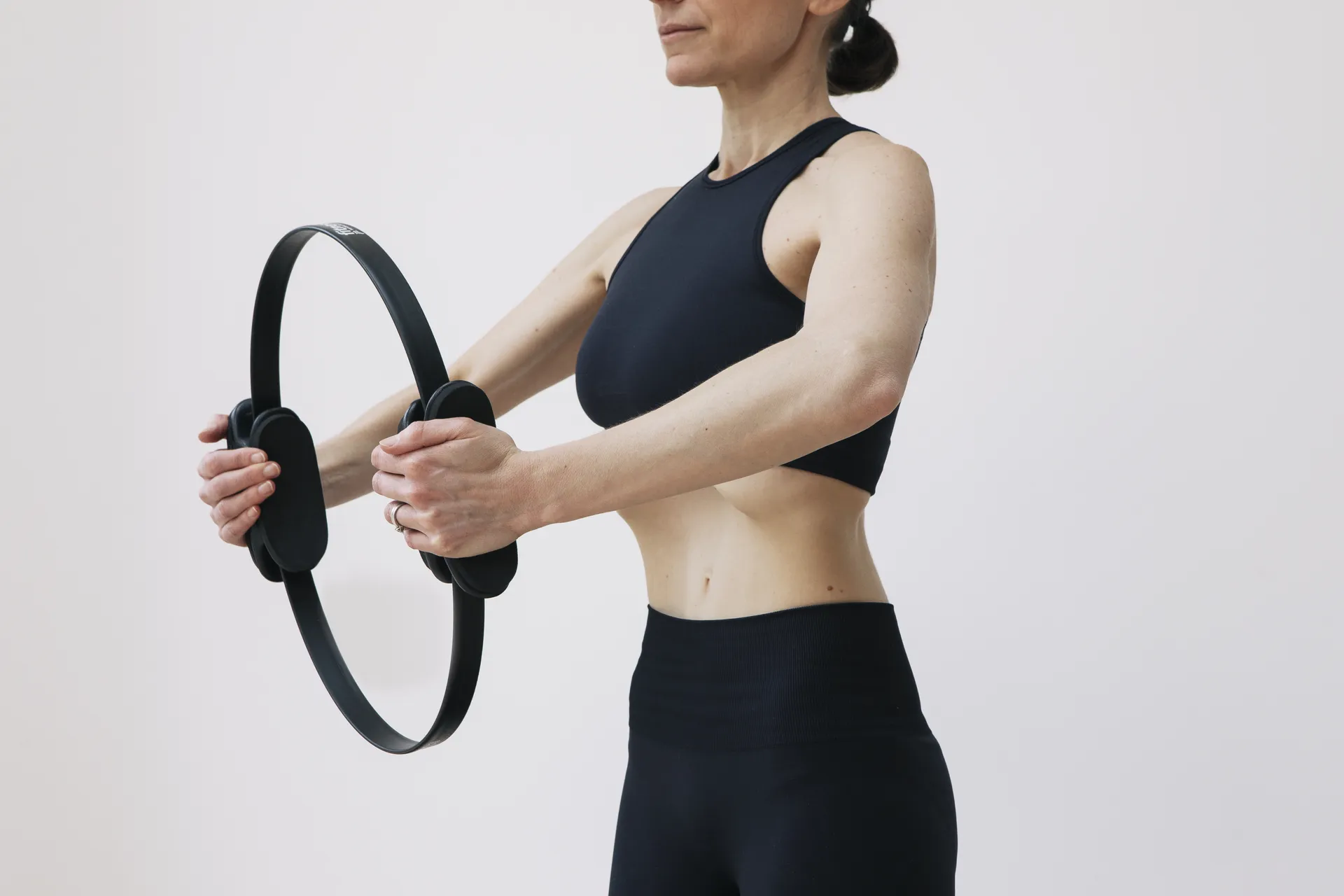
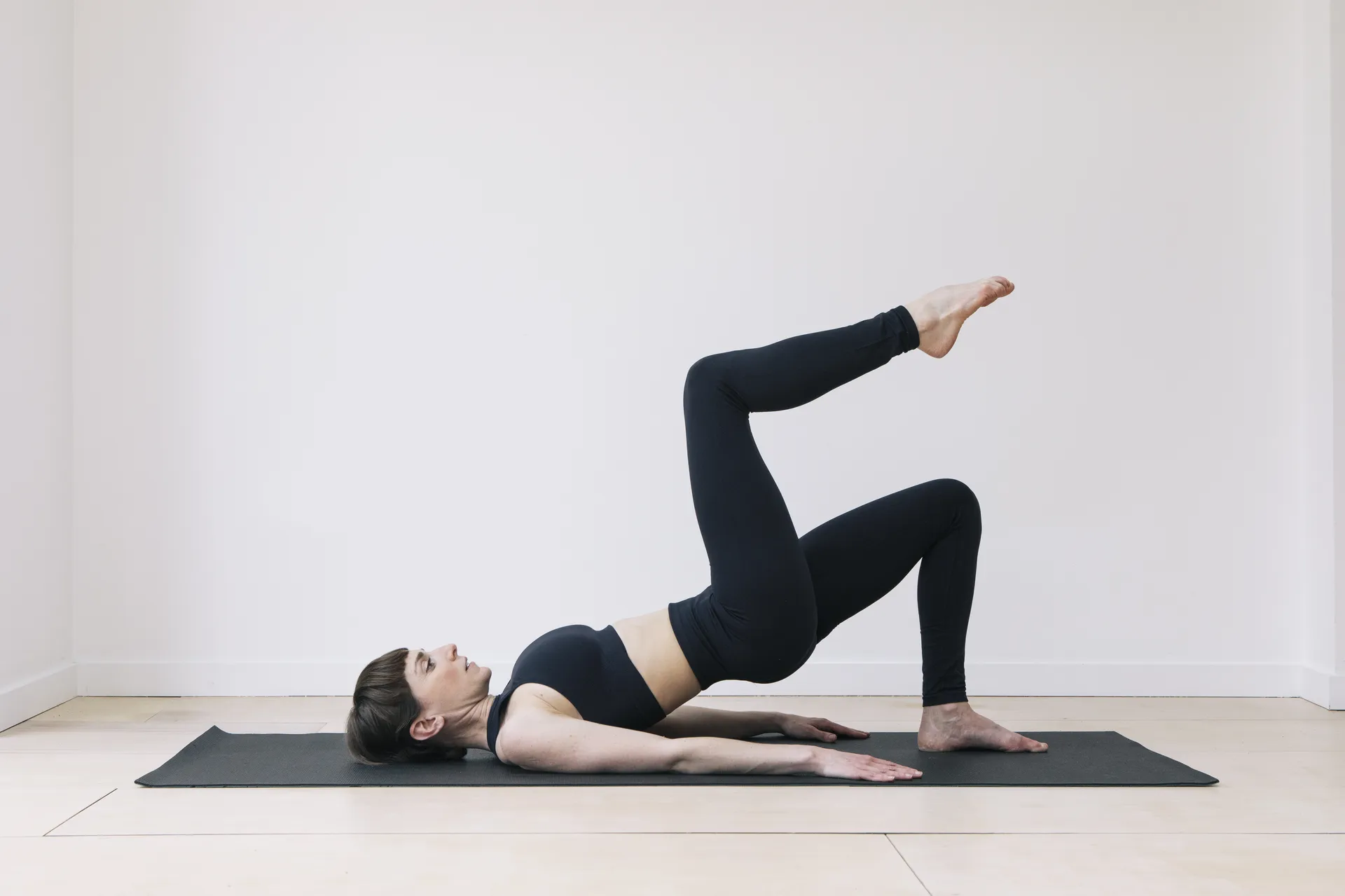
Key exercises to help with Diastasis Recti include controlled movements like heel slides and toe taps, modified side planks and bird-dogs, breathing coordination exercises, and functional movement patterns. Exercises should never cause belly doming or bulging. If they do, you’re loading before your system is ready.
3. Abdominal Supports
In very early weeks postpartum (0-8 weeks), wearing a compression garment or support belt can provide biofeedback and external support to healing tissues. These work best when combined with proper breathing mechanics and gentle movement. They’re a helpful adjunct, not a standalone solution.
4. Surgery
For severe cases where conservative rehabilitation has genuinely failed after 6-12 months of dedicated work, or if there’s significant hernia, surgery may be considered. This involves stitching the rectus muscles back together.
Most clinical guidelines, including NHS recommendations, suggest proper rehabilitation first. Surgery should be considered as a last resort. Many women achieve recovery goals through committed rehabilitation work.
Prevention Strategies
You can’t prevent necessary stretching during pregnancy, but you can minimise postpartum Diastasis Recti severity and prevent worsening.
Pressure Management
The most critical strategy: avoid bearing down. When lifting, sneezing, or moving, exhale on effort. This naturally engages your core and reduces outward pressure on the Linea Alba.
When lifting your baby from the cot, exhale as you lift. When getting up from the floor, exhale as you push up. When sneezing, stay upright rather than bending forward.
Movement Modifications
Never sit straight up from lying down. Roll to your side first, then push yourself up with arms. This protects healing tissues daily.
If an exercise makes your tummy dome or cone, stop. Your body is signalling it’s too much. Swap crunches and full planks for stability exercises like bird-dogs or side planks until your system can handle more load.
Posture
Standing with swayback (ribs flared forward, bottom out) stretches the Linea Alba and prevents healing. Stack your ribs over your hips, this keeps abdominal wall neutral and supported.
Address Contributing Factors
Repeated straining from constipation works against recovery. Increase water and fibre intake. Speak to your GP if it persists.
And, if you have lingering cough, get it treated. This constant pressure prevents healing.
Recovery Timeline
Healing takes time and everybody responds differently.
0-8 Weeks: The Fourth Trimester
This is the natural healing window. Hormones settle, and significant spontaneous recovery occurs. Most women see their gap reduce naturally.
Focus on rest, gentle walking, and breath work.
2-6 Months: Active Rehabilitation
With targeted training like Hypopressives, you can actively increase tissue tension. Most women see functional improvement within this timeframe, the gap starts to feel firmer even if slightly wide.
Focus on consistent Hypopressives, 3 to 4 times a week. Start to introduce progressive loading through modified Pilates, and mindful movement patterns.
6 Months and Beyond
It’s never too late. Studies on women 12 months postpartum and beyond show exercise programs can still significantly reduce Diastasis Recti. Even years later, you can thicken connective tissue and improve core strength.
I work with women 5, 10, even 25 years postpartum who still see meaningful improvements. It’s incredible how the tissues can remain responsive to training throughout life.
When to See a Specialist
Certain signs warrant professional medical assessment.
If your bulge is painful, tender, or doesn’t reduce when you lie down, you may have umbilical or ventral hernia. This requires doctor’s assessment.
Severe lower back or pelvic pain limiting daily life should be evaluated by a physiotherapist specialising in women’s health.
If you’re experiencing urinary or faecal incontinence, or prolapse symptoms (heaviness, dragging sensation, something bulging), see a pelvic health physiotherapist. These conditions often coexist with Diastasis Recti and need integrated treatment.
If you’ve been genuinely consistent with a proper rehabilitation program for 3-6 months and see no change in function or tissue tension, a specialist can check for connective tissue issues or discuss other options.
Book a free consultation: Not sure if your symptoms are Diastasis Recti? Book a free 15-minute phone consultation to discuss your questions with me further.