In Short: What is Urinary Incontinence?
Urinary incontinence is the involuntary loss of urine. It’s when you leak, whether it’s a few drops when you sneeze or a sudden, overwhelming urge you can’t control. It happens when the pressure in your bladder becomes greater than the strength of your urethral closure, often because your pelvic floor muscles aren’t functioning as they should, or the nerve signals controlling your bladder aren’t working properly. It’s incredibly common, particularly among women, but it’s never normal, and it’s never something you just have to live with.
Why This Matters
In my work, I see this pattern again and again, usually starting a few months after a second baby, or quietly creeping in through perimenopause. A woman has been to her GP, done the Kegels she was told to do, and nothing has changed. She stops going to her favourite exercise class, not because she’s busy, but because she’s terrified of leaking during the jumping jacks. She plans her day around where the nearest toilet is. Holidays get harder to imagine. Long car journeys get ruled out. It’s a specific, quiet kind of losing yourself.
I hear versions of this often, with different details but the same underlying pain. The woman who gave up running because she couldn’t make it through a 5K without leaking. The mum who stopped playing on the trampoline with her kids. The professional who had to excuse herself from meetings multiple times because of sudden, overwhelming urges.
Urinary incontinence isn’t just about needing to change your underwear or wearing pads. It’s about how it makes you feel. The constant worry. The embarrassment. The way you start saying “no” to things you used to love. The way you stop being spontaneous because everything needs to be planned around where the nearest toilet is.
I’ve worked with clients who’ve given up running, something they loved, something that kept them sane. I’ve worked with women who’ve stopped having sex because they’re worried about leaking during intimacy. I’ve worked with women who’ve avoided their friends, turned down invitations, and gradually withdrawn from social life, all because of the fear of leakage and smell.
This “avoidance behaviour”, stopping activities, skipping social events, withdrawing from life, it shrinks your world. And over time, it leads to anxiety, isolation, and this profound loss of who you used to be.
Here’s what I need you to understand: this doesn’t have to be your story.
Addressing incontinence isn’t just about stopping leaks. It’s about reclaiming your confidence. It’s about being able to laugh without fear, to go for a run, to book that holiday, to play with your kids, to live your life fully again.
With proper pelvic floor rehabilitation and learning to manage pressure in your body, most women can regain control. Not just physical control, but that sense of freedom and confidence that incontinence steals from you.
I’ve seen it happen many, many times. Women who thought they’d never run again, then completing their favourite 10Ks. Women who’d accepted incontinence as their “new normal” going months without a single leak. Women who’d stopped laughing freely rediscovering joy in their bodies.
You deserve to feel good in your body. You deserve to move through the world without constantly scanning for the nearest toilet. And you absolutely deserve better than being told “it’s just part of having babies” or “it’s normal for your age.”
Incontinence is common, common enough that most women know someone who deals with it, even if it’s rarely talked about openly. But just because lots of women deal with it doesn’t mean you have to accept it as your reality. Your body is capable of healing and adapting. It just sometimes needs the right help, the right cues, and the right approach.
What is Incontinence?
Normal Continence: The bladder rests comfortably, supported by a taut, strong pelvic floor that looks like a hammock. The urethra stays firmly closed, even with downward pressure.
Stress Incontinence: The pelvic floor has dropped and softened. Pressure from above (a cough or jump) pushes the bladder neck down. The urethra opens slightly, allowing urine to escape.
Understanding the Anatomy
To understand incontinence, you need to picture your pelvic floor as a hammock stretched across the bottom of your pelvis, running from your pubic bone to your tailbone. This hammock supports your bladder, uterus, and bowel. In a healthy system, these muscles work seamlessly with your urethral sphincters to keep the bladder outlet closed, even when you sneeze, laugh, or jump.
This system relies on a delicate balance of two things: support and pressure.
Support: Your pelvic floor muscles squeeze around the urethra to stop urine flow. Think of them as a valve that needs to stay shut. When your bladder fills, these muscles maintain a gentle contraction. When you decide to urinate, they relax.
Pressure: Your abdomen is like a canister. If the pressure inside becomes too high (from chronic coughing, heavy lifting, or inefficient breathing), and the “floor” of the canister is weak (after childbirth or menopause), the seal breaks. That’s when you leak.
Here’s what many women don’t realise: incontinence isn’t always about weak muscles. Often, it’s a coordination problem. Your pelvic floor needs to work in harmony with your diaphragm, your deep abdominal muscles, and your breathing.
In Stress Incontinence, the physical support gives way under pressure. In Urge Incontinence, the bladder muscle squeezes when it shouldn’t, like a faulty alarm going off when there’s no fire.
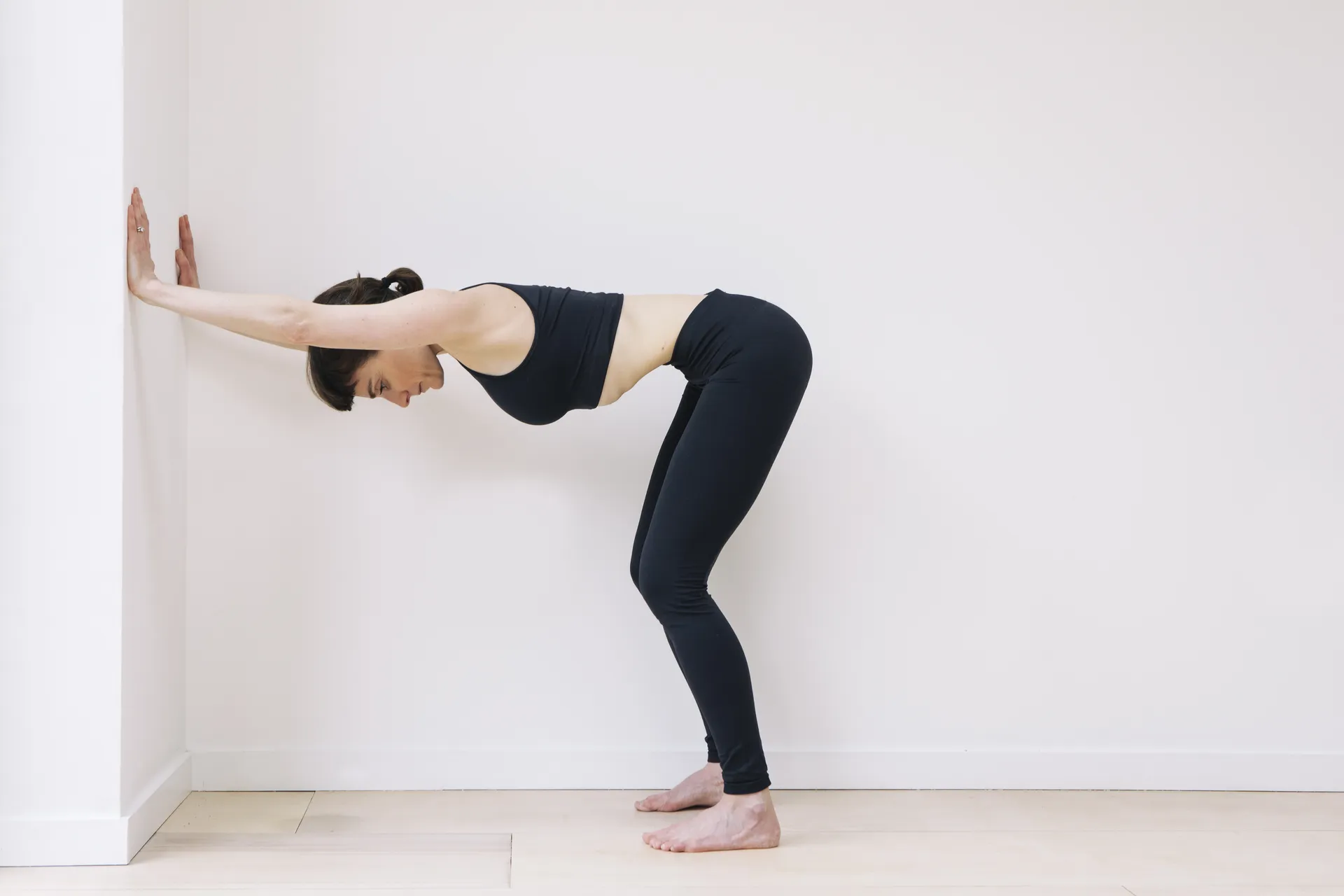
This is why Hypopressives work so well. They address both sides: strengthening the support while reducing the pressure that overwhelms it. It’s not just about squeezing harder, it’s about teaching your entire core system to manage pressure intelligently, using its own internal system of coordination.
Causes and Risk Factors
Incontinence is rarely one thing. It’s usually a combination of biological changes and lifestyle habits that overload the pelvic floor over time.
Biological Drivers
- Pregnancy and Childbirth: The weight of your growing baby strains your pelvic floor for nine months. Hormones like relaxin soften your tissues. Vaginal delivery can stretch or tear the muscles and damage nerves. Even C-section mums aren’t immune—the pregnancy itself weakens the support. According to the NHS, pregnancy and childbirth are the most common causes of stress incontinence in women.
Menopause: Oestrogen keeps the urethra and vaginal tissues plump and elastic. When oestrogen drops, these tissues thin (atrophy), making the urethral “seal” less effective. Many women notice symptoms worsen during perimenopause.
Genetics: Some women have naturally softer connective tissue. If you’re hypermobile (very flexible), you’re more prone to pelvic floor issues.
Lifestyle and Pressure Factors
Chronic Pressure: Chronic coughing (from smoking, asthma, or allergies), constipation, and obesity create constant downward force that exhausts the pelvic floor. Every time you strain on the toilet, you’re bearing down with significant force. Research shows that being overweight increases the risk of incontinence by putting extra pressure on your bladder and pelvic floor muscles.
High-Impact Exercise: Activities like CrossFit or running can cause leaks if you don’t have the core foundation to manage impact. It’s not about avoiding these activities – it’s about building the foundation first.
Dietary Irritants: Caffeine, alcohol, artificial sweeteners, and acidic foods irritate the bladder, triggering spasms and urgency. I’ve had clients see significant improvements just by cutting back on coffee.
Neurological Factors
Conditions like MS, Parkinson’s, or spinal injuries can disrupt nerve signals between brain and bladder, causing loss of control.
Symptoms and Diagnosis
Understanding when and how you leak dictates your treatment path. Not all incontinence is the same and getting clear on what’s happening in your body is the first step toward fixing it.
The Main Types
Stress Incontinence (SUI): Leaking with physical pressure, like coughing, sneezing, jumping and lifting. You usually sleep through the night without leaking, which is a key indicator. It’s the physical activity that triggers it. Some women describe it as just a few drops; others soak through a pad during a workout.
Urge Incontinence (OAB): A sudden, desperate need to pee that you can’t suppress. It comes on fast and strong. Often includes frequency (going more than 8 times daily) and waking at night. The “key in the door” syndrome – just seeing your front door or hearing running water triggers an overwhelming urge. You might not make it to the toilet in time.
Mixed Incontinence: Both stress and urge symptoms together. Very common. You might leak when you cough AND have sudden urges you can’t control.
Overflow Incontinence: Can’t fully empty your bladder, so it overfills and dribbles constantly. This feels like a constant trickle rather than a spurt. Less common but needs medical attention.
How It’s Diagnosed
If you visit a GP or pelvic health physio, they’ll use several tools to understand what’s happening. Don’t worry, none of these are invasive or scary.
Keeping a Bladder Diary: You’ll track what you drink, when you go to the toilet, and when you leak for 3 days. I know it sounds tedious, but it’s incredibly revealing. You might discover that your afternoon coffee is triggering urgency, or that you’re actually not drinking enough water. Patterns emerge that you wouldn’t notice otherwise. Write down everything – like the time, how much you drank, whether you leaked, and how urgent the need was.
Cough Stress Test: This is straightforward. You’ll be asked to cough while standing with a full bladder to see if leakage occurs. It’s simple but incredibly revealing. Sometimes women are surprised by how much (or how little) they leak during this test. It helps your healthcare provider understand the severity and gives you a baseline to measure improvement against.
Pelvic Exam: A specialist will check your pelvic floor strength (can you squeeze?), endurance (can you hold that squeeze for 10 seconds?), and coordination (can you squeeze and then fully relax?). They’ll also look for signs of prolapse (organs dropping down) or atrophy (tissue thinning). This is where you get real, hands-on feedback about what’s happening inside your body. It might feel a bit awkward, but it’s so valuable. You’ll finally understand whether your pelvic floor is weak, too tight, or just not coordinating properly.
Urinalysis: A simple dipstick test to rule out a urinary tract infection (UTI). UTIs can mimic incontinence symptoms, like urgency, frequency, even leaking. Sometimes what feels like incontinence is actually an infection that needs antibiotics. Once it’s treated, the “incontinence” disappears. It’s always worth ruling this out first before assuming it’s a pelvic floor issue.
Self-Assessment
You don’t always need to wait for a formal diagnosis to start paying attention to your body. Ask yourself these questions:
- Do I leak when I cough, sneeze, laugh, or exercise?
- Do I feel a sudden, overwhelming urge to pee that I can’t control?
- Am I going to the toilet more than 8 times a day?
- Do I wake up more than once at night to pee?
- Am I planning my life around toilet access, for instance, choosing seats near exits or mapping out where toilets are before I go anywhere?
- Do I avoid certain activities because I’m worried about leaking?
If you answered yes to any of these, it’s worth addressing. You deserve better than living with these limitations. Even if it feels manageable right now, these things tend to get worse over time if left unaddressed.
Book a free consultation: Want to discuss your symptoms and how Hypopressives can help? Book a free 15-minute phone consultation to ask your questions.
Treatment Options
Conservative rehabilitation is the gold standard. Surgery should be a last resort.
1. Hypopressives (Low Pressure Fitness)
I advocate for Hypopressives because they tackle the root cause: excessive pressure.
The Science: An 8-week randomised controlled trial by Molina-Torres et al. (2023, Neurourology and Urodynamics) found that Hypopressive exercise training significantly improved pelvic floor muscle activation and reduced urinary incontinence symptoms.
How It Works: Unlike Kegels (which focus on squeezing), Hypopressives use a breath-hold with specific postures to create a vacuum effect. This lifts the bladder and reflexively activates the pelvic floor without conscious clenching. It trains your core to manage pressure automatically.
2. Pelvic Floor Muscle Training (Kegels)
The NHS first-line treatment. Voluntary contractions build muscle bulk. Do 3 sets daily for 12–16 weeks. The key is proper technique—you should feel a lift, not a bearing down. NICE guidelines recommend that all women with stress or mixed urinary incontinence should be offered a trial of supervised pelvic floor muscle training of at least 3 months’ duration.
The Synergy: I often combine both. Hypopressives reduce pressure and set posture; Kegels build raw strength.
3. Pilates and Yoga
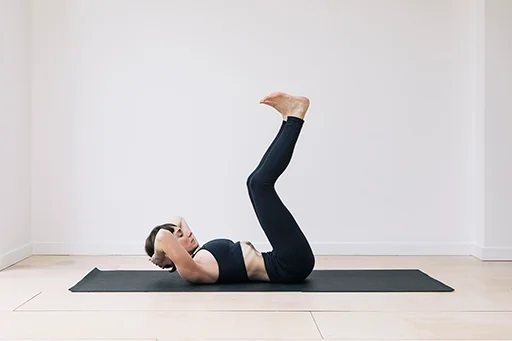
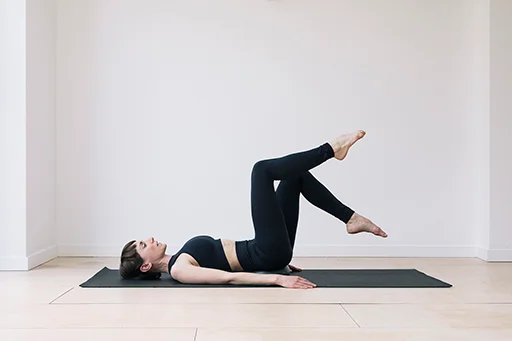
Specialised postnatal Pilates strengthens the deep core (Transverse Abdominis), which co-activates with the pelvic floor. Yoga can lengthen tight pelvic floors and improve coordination.
4. Lifestyle Changes
Fluid Management: Drink 1.5–2L water daily. Concentrated urine irritates the bladder.
Bladder Training: For urge incontinence, gradually increase time between toilet visits.
Weight Loss: Losing 5–10% body weight reduces bladder pressure significantly. Studies published in the Journal of Urology found that weight loss of 5-10% can reduce incontinence episodes by up to 50%.
Diet: Reduce caffeine, alcohol, and acidic foods.
5. Medical Devices & Surgery
Pessaries or surgery (urethral slings) are options after rehabilitation fails. Surgery has risks and doesn’t address underlying pressure issues.
Prevention Strategies
The “Knack”: Engage your pelvic floor just before coughing or sneezing.
Stop “Just in Case” Peeing: Only go when you actually need to. This prevents shrinking bladder capacity.
Exhale on Effort: Never hold your breath when lifting. Exhaling engages the core and reduces pelvic floor pressure.
Hypopressives Maintenance: 10 to 15 minutes, 2 to 3 times weekly maintains pelvic floor tone.
Avoid Constipation: High-fibre diet, plenty of water, use a toilet stool.
Manage Chronic Cough: Get treatment for asthma, allergies, or smoking-related cough.
I have also written an article on other preventive measures you can take for Urinary Incontinence.
Recovery Timeline
Weeks 0–4: Waking up the brain-muscle connection. Better awareness, but leaks may still happen.
Weeks 4–8: Structural changes begin. Improved resting tone. Many women see noticeable improvements.
Weeks 12+: The NHS benchmark. Most women report significant reduction in pad usage and improved confidence.
Long Term: To maintain support and coordination I recommend doing Hypopressives twice weekly. Remember, it’s never too late, I’ve worked with women decades postpartum who still improve.
When to See a Specialist
Red Flags: Pain during urination, blood in urine, sudden onset with neurological symptoms (seek emergency care).
Seek Guidance If: You feel prolapse and incontinence symptoms, see no improvement after 12 weeks, are planning high-impact return, or are unsure about technique.