Quick Answer
A weak pelvic floor responds well to Hypopressives, in my experience teaching it and in a randomised controlled trial. Women build real strength and control in these muscles without the strain of a traditional workout, using breathing and posture rather than repeated squeezing (see our full guide to how Hypopressives works). How much changes depends on your specific presentation, and if you’re not sure whether your pelvic floor is weak or overactive, a quick assessment with a pelvic health physiotherapist will tell you which approach actually fits your body. If you’re ready to start, learning the breathing technique properly first makes the biggest difference to how much you get out of it.
A weak pelvic floor can show up in different ways: leaking when you cough or sneeze, a heavy feeling by the end of the day, or just a sense that things aren’t as supported as they used to be. Pregnancy, childbirth, ageing, hormonal changes and chronic coughing can all play a part.
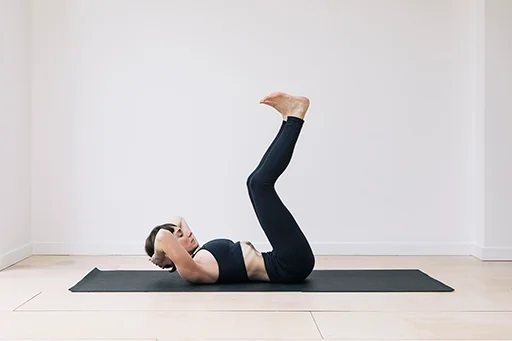
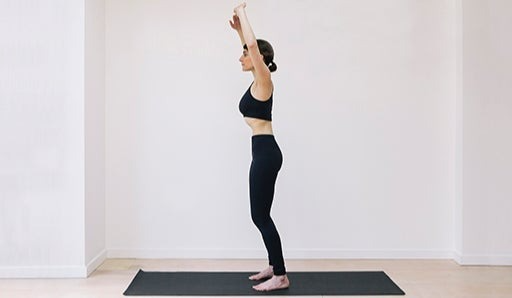
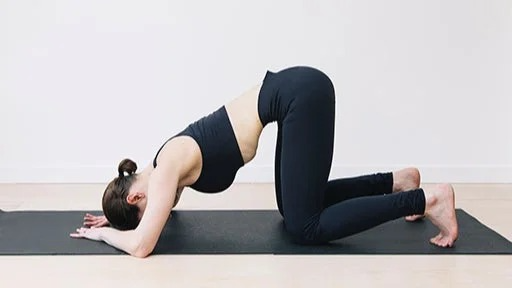
Hypopressives are one approach I use with clients to help rebuild that support. Rather than the repeated squeeze-and-release of a Kegel, Hypopressives use a specific breathing and posture technique to create an involuntary lift and contraction in the pelvic floor and deep core.
What exactly are Hypopressives?
Hypopressives involve exercises that target both the pelvic floor and core muscles. Coined from “hypo” meaning low or reduced in Greek and “pressives” referring to pressure, this Low Pressure Fitness regimen was developed by Dr. Marcel Caufriez, a physiotherapist, and has gained recognition for its ability to strengthen and rehabilitate the pelvic floor.
Hypopressive techniques engage the deep core muscles, particularly the pelvic floor, the transverse abdominis (deep abdominal muscles), and the diaphragm. The aim is an involuntary response from these muscles, encouraging contraction and lift. Unlike traditional exercises that increase intra-abdominal pressure, Hypopressives reduce pressure in the abdominal cavity while activating the core muscles.
What the Evidence Shows
An 8-week, physiotherapist-supervised Hypopressives programme was studied in 117 women with pelvic floor dysfunction and urinary incontinence symptoms. The Hypopressives group showed statistically significant improvements in pelvic floor muscle strength compared with a control group (Molina-Torres et al., 2023, Neurourology and Urodynamics). In my own experience teaching Hypopressives, many women notice a real difference in day-to-day control within a few weeks of consistent practice, though how much changes depends on your specific presentation.
How This Can Help
Hypopressives work on a few fronts at once. They engage and strengthen the pelvic floor directly, which is the main goal if weakness is the issue. Better posture is a natural side effect, since Hypopressives train proper alignment through the spine and pelvis, taking some of the strain off the pelvic floor itself. The breathing pattern involved encourages more efficient, diaphragmatic breathing, which also helps the pelvic floor relax and reset between efforts.
For many women, this translates into less frequent and less severe urinary incontinence, since the muscles responsible for bladder control are getting stronger and more responsive. Hypopressives may also help support the pelvic floor’s role in guarding against pelvic organ prolapse, though they don’t remove the risk entirely and aren’t a substitute for assessment if you’re already noticing symptoms.
If you’re not sure whether your own symptoms point to weakness specifically, our guide on weak pelvic floor symptoms can help you tell the difference between a weak and an overactive pelvic floor before you start.
Getting Started
To get the most out of Hypopressives classes, it’s worth learning the breathing technique properly first. Each week I run Fundamentals sessions on Zoom where I explain the technique and guide you through every step, with feedback to make sure you’re doing it correctly. Some people pick it up quickly; if you’re tighter through the ribs and thoracic spine, it might take a little longer, and that’s completely normal.
Here’s the golden rule: for real, lasting change, aim for at least three 15 to 20-minute sessions a week. Consistency is what actually makes the difference.
When to Seek Assessment
This page is educational and can’t tell you whether your pelvic floor is weak, overactive, or something else, since the symptoms can overlap. If you’re not sure, or if you notice a new bulge or heaviness, leaking that’s getting worse, or difficulty emptying your bladder or bowel, a pelvic health physiotherapist can assess this directly, usually in a single appointment, and tell you whether strengthening work like Hypopressives is the right next step for you.