
Can You Fix Diastasis Recti Years Later?

A gap that has been there for five or ten years still responds to structured training. Here is what the research shows about starting late, what realistically changes, and the part that matters more than the measurement itself.
What Pelvic Floor Rehabilitation Actually Involves

Pelvic floor rehabilitation is a structured programme rather than a set of exercises you guess at on your own. Here is what assessment actually involves, how long a course usually runs, and what the evidence says about results.
How to Stop Leaking: Bladder Control Exercises That Work
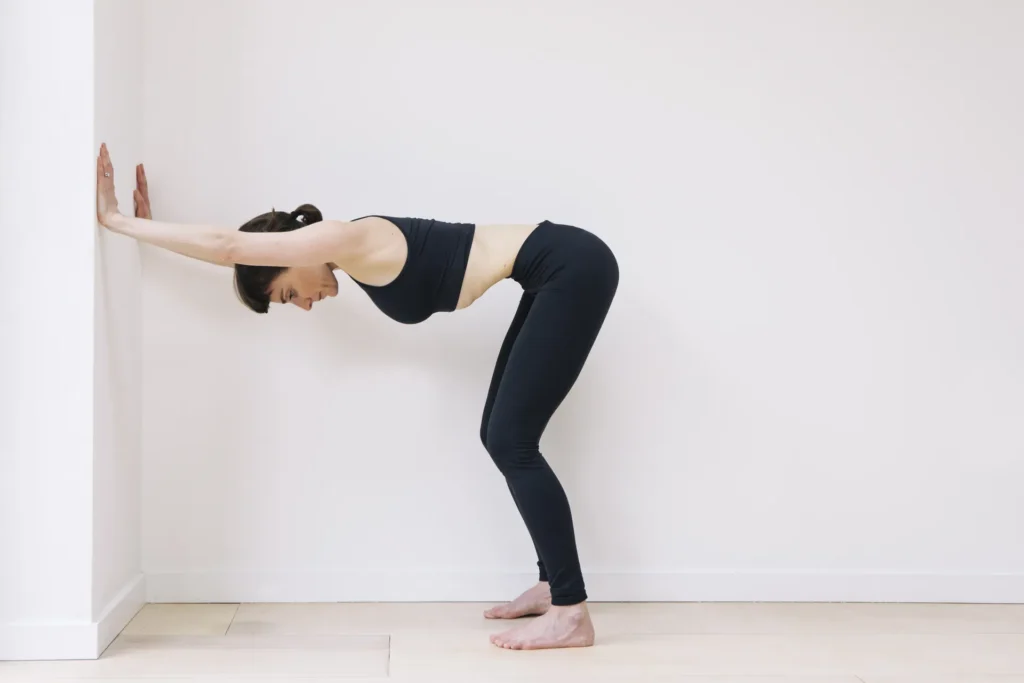
Leaking is the symptom women apologise for most and mention last. It is also one of the most treatable pelvic floor problems there is. Here is what actually reduces it.
Pelvic Floor Exercises: How to Strengthen Your Pelvic Floor
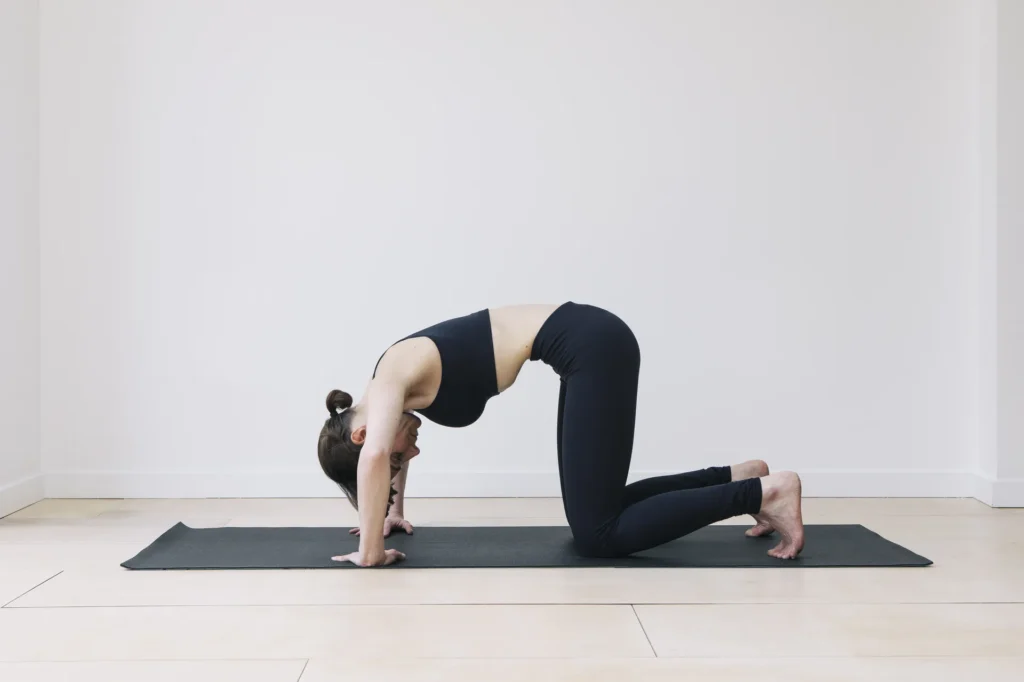
Most women are told to do their pelvic floor exercises and almost nothing else. Here is the correct technique, the dose NICE actually recommends, and what to do when squeezing alone has not worked.
Why Do I Leak When I Cough During Pregnancy?
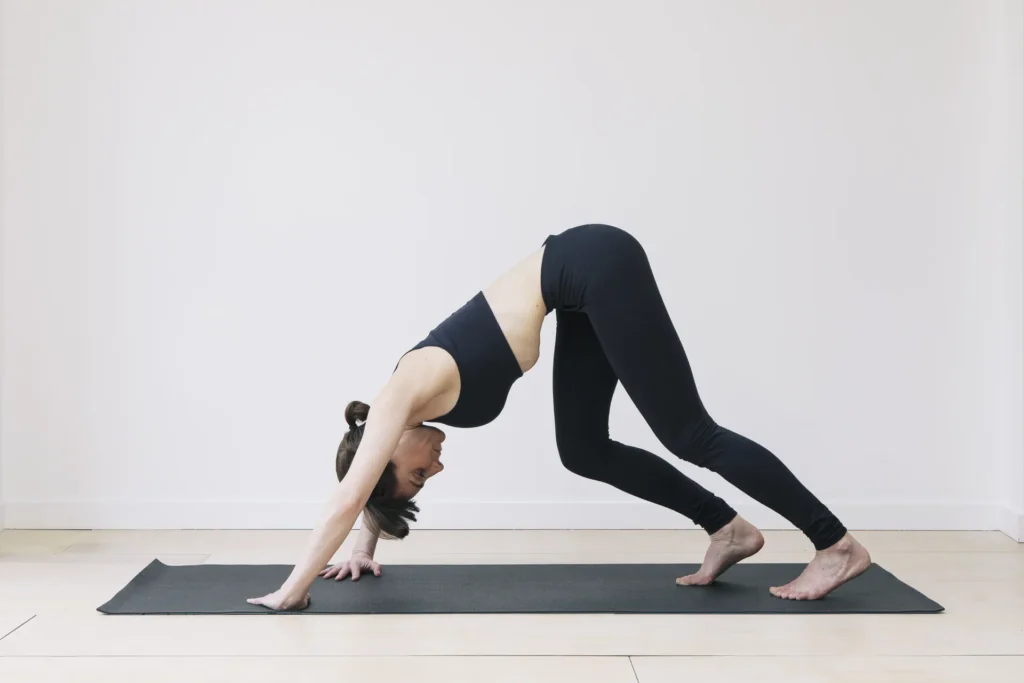
Leaking a little when you cough or sneeze is one of the most common pregnancy symptoms there is, and it has a clear cause and genuinely effective ways to ease it. Here’s why it happens and what actually helps.
Bulging Feeling After Running Postpartum: Is It Prolapse?
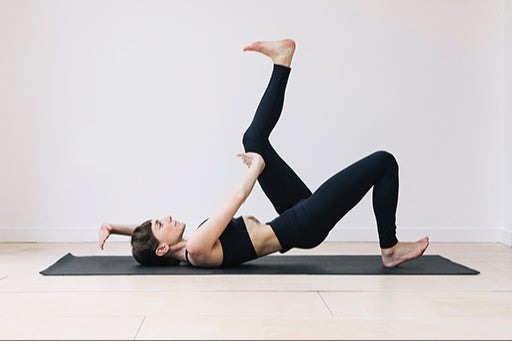
A bulging feeling after a postpartum run is more common than it feels, and doesn’t automatically mean a significant prolapse. Here’s what the real evidence says, and when it’s worth getting checked.
Umbilical Hernia or Diastasis Recti? How to Tell the Difference
A bulge near your belly button could be diastasis recti, an umbilical hernia, or both at once, and they are not managed the same way. Here is how each one is actually diagnosed, and when it is worth seeing a doctor rather than guessing.
What Happens If You Stop Doing Pelvic Floor Exercises for Prolapse?
What really happens to prolapse symptoms when you stop doing pelvic floor exercises, and why picking the routine back up usually works again, even after a long break.
Hypertonic Pelvic Floor After Hysterectomy: What’s Going On?
A tight, guarding pelvic floor after hysterectomy is a real, documented pattern, sometimes involving the pudendal nerve. Here’s what’s actually going on, and what genuinely helps.
Returning to Exercise After Prolapse Surgery: A Realistic Timeline
A realistic, staged timeline for returning to exercise after prolapse surgery, what NHS guidance says about lifting, walking and high-impact activity, and how gentle Hypopressives practice fits back in once you’re cleared.