Hypopressives After Giving Birth: A Powerful Approach to Postpartum Pelvic Floor Restoration
The postnatal stage signifies a time of remarkable change for women, with pelvic floor well-being taking centre stage. Hypopressives, a unique breathing technique that is incorporated into the low-pressure fitness movement system, has made its mark as a successful approach for restoring the postpartum pelvic floor.
When to Begin after pregnancy and Key Considerations
Based on the advice of Simone Muller, starting Hypopressives is typically recommended in the later stages of the postpartum period, ideally after the sixth week for natural births and three months for a caesarean section.
A healthcare consultation and a comprehensive pelvic floor evaluation are necessary before starting any postnatal core workout, Hypopressives included. This ensures your fitness journey is suitable for your health and well-being.
How Hypopressives works
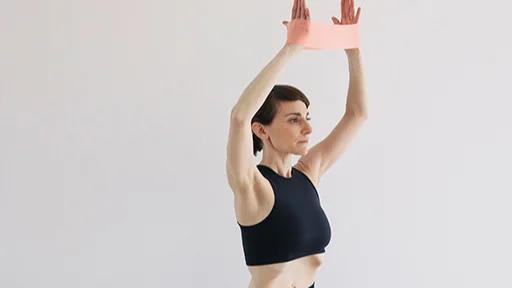
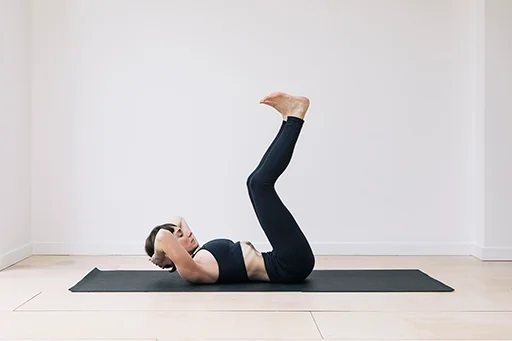
Hypopressives is a combination of breathing exercises and body positions that focus on how the body restores itself from the inside. These postpartum pelvic floor exercises work by lowering intra-abdominal pressure, building core strength from the inside out, and strengthening muscles like the pelvic floor and transversus abdominis. The improved pelvic floor function, reduced waistline, and increased organ support are just the beginning of the positive effects. This leads to refined posture and elevated pelvic health, offering a holistic approach to wellness. Hypopressives can also be used to alleviate unique conditions such as having a hypertonic pelvic floor.
Simone Muller’s Hypopressive Experience after pregnancy
After her first child’s birth, Simone Muller found Hypopressives while searching for an effective postnatal solution. Dissatisfied with the limited results of postnatal Pilates, she found Hypopressives transformative, providing noticeable results with safety and flexibility. Motivated, Simone trained in Hypopressives in Spain, where she observed its remarkable benefits on women. This changed her perspective on what was achievable postpartum. Inspired, Simone started teaching Hypopressives in London and launched re-centre, an online platform providing global access to this technique.
The Impact of Hypopressives on Postpartum Pelvic Floor Recovery
Simone Muller’s personal journey and the transformation she’s seen in herself and over 500 women trained through re-centre, illustrate the effectiveness of Hypopressives for postpartum pelvic floor recovery. The influence of this method goes beyond addressing physical issues like Diastasis Recti, incontinence, and prolapse. It enhances strength, functionality, and overall wellness, reflecting its holistic nature.
Getting started with pelvic floor exercises after pregnancy
For the Hypopressives classes it is important that you learn the Apnea technique properly so that you can get the most out of the classes and the time you invest in yourself. Each week Simone runs Fundamentals sessions on Zoom where she explains the technique and guides you through all the steps. She will also give you feedback to make sure that you’re doing it correctly. For some, the technique may come more quickly than others. Some of her clients, who are tighter in the ribs and thoracic spine do tend to take a little longer.
And here’s the golden rule – for impactful change, Simone recommends at least three 15 to 20-minute workouts per week. Consistency is your best friend on this journey towards wellness.