Postnatal Pelvic Recovery: Your Complete Guide to Healing and Strength
Quick Answer
Postnatal recovery is not a single six-week milestone. It moves through phases: rest and gentle pelvic floor reconnection in the early weeks, building strength from 6 to 12 weeks, and a gradual, criteria-based return to running or higher-impact activity from around three months onward, with ongoing pelvic floor and core work as long-term maintenance. Every woman’s timeline differs depending on her birth and recovery, so this guide is a general pathway rather than a fixed schedule. If you notice persistent leaking, heaviness, or pain at any stage, a pelvic health physiotherapist can assess what is happening and guide your next steps.
Becoming a mother is transformative, I’m not just talking about the sleepless nights and the overwhelming love. Your body has done something extraordinary, and now it needs time, care, and the right approach to recover well.
I know this journey intimately. After my first birth, I was handed a leaflet about my third-degree tear whilst waiting to go into theatre. The midwife’s words, “I’m so sorry, this is the first one I’ve seen in 25 years”, did nothing to ease my fears. That picture of motherhood I’d imagined? It looked nothing like this. But here’s what I’ve learned through my own recovery and working with hundreds of women since: your body is incredibly resilient, and with the right support, you can not only recover but emerge stronger than before.
This guide is everything I wish I’d known in those early weeks. It’s a clear pathway through the confusion, from the first days postpartum to returning to the movement you love, whether that’s walking, yoga, strength training, or running.
Why Postnatal Recovery Deserves Your Attention
Let’s be honest: the standard postnatal care in the UK often leaves women feeling lost. You get a six-week check, maybe some vague advice about pelvic floor exercises, and then you’re expected to just… carry on. But your pelvic floor, abdominal wall, breathing mechanics, and posture have all adapted dramatically to carry and deliver your baby. They need proper rehabilitation, not guesswork.
Here’s the truth that changed everything for me: rest and rehab are not opposites. Rest is essential, but so is gentle, appropriate movement to support healing, especially for your pelvic floor and deep core.
The other game-changer? Pressure management. How you breathe, lift, and move will either protect or overload your healing tissues. This is why breath and pelvic floor work aren’t optional extras, they’re the foundation of everything.
The Three Principles That Guide Smart Recovery
Before we dive into the week-by-week timeline, let me share the three principles that underpin everything:
1. Your timeline is your own
The guidelines I’m sharing follow NHS and physiotherapy recommendations, including the postnatal running guidelines. But bodies heal at different rates. Your birth experience, your symptoms, and your medical advice all matter. Listen to your body, not just the calendar.
2. Build from the inside out
You wouldn’t run a marathon on a broken ankle, right? The same logic applies here. Your pelvic floor and deep core are your foundation. Get them working well before you layer on more load.
3. Symptoms are signals, not sentences
Leaking, heaviness, pain, or abdominal doming aren’t things you just have to live with. They’re your body telling you it needs more support. And with the right approach, these symptoms can improve,even years after birth.
Phase 1: The First Six Weeks – Rest, Reset, and Reconnect
The first six weeks are about healing and reconnecting. Whether you had a vaginal birth or a C-section, your body has been through a major event. Your job right now is to rest as much as life with a newborn allows, while gently waking up the systems that support long-term recovery.
What’s happening in your body
- Your uterus is contracting back down (involution)
- Your pelvic floor and abdominal wall are beginning to recover from stretching, and possibly tearing or surgical incisions
- Hormones are shifting dramatically – relaxin remains elevated for a while, especially if you’re breastfeeding, which means your connective tissues are still more lax
- Sleep deprivation and feeding demands are high, which influence healing, stress levels, and your pelvic floor’s ability to relax and contract effectively
Your focus: Weeks 0 to 2
Rest and positioning
Rest horizontally as much as possible – lying down reduces pressure on the pelvic floor and perineum. Use pillows to support your back and legs when feeding, so you’re not collapsing into your pelvis.
Pelvic floor awareness
NHS and maternity physiotherapy guidance says gentle pelvic floor exercises can start within 24 hours of birth, once you’ve passed urine and feel ready. Start with very gentle contractions, as if you’re lifting and letting go. Focus as much on relaxing the muscles fully between squeezes as on contracting. This is especially important if labour was long or traumatic, or if you had instrumental delivery or perineal tears.
Aim for a few sets of gentle squeezes throughout the day, but don’t force it if there’s significant pain. Listen to your body.
Breath and nervous system
Breath work is your earliest, safest way of reconnecting with your core. Use diaphragmatic breathing: inhale through your nose, feel your ribs and belly gently expand, exhale through the mouth and feel your belly soften and pelvic floor lightly recoil. This breath helps down-regulate your nervous system (helpful for trauma, anxiety, and sleep) and begins to restore the diaphragm–core–pelvic floor relationship.
Your focus: Weeks 2–6
From around two weeks (earlier if you feel ready, later if you had complications or a C-section), you can begin to add early postpartum core and mobility work:
- Short walks, starting with a few minutes around the house and gradually building up as tolerated
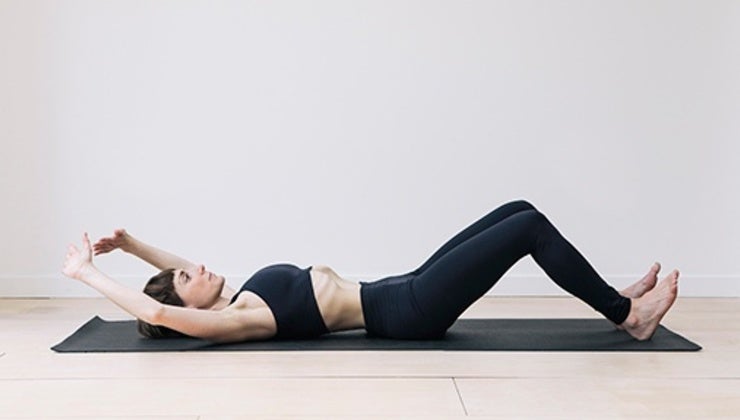
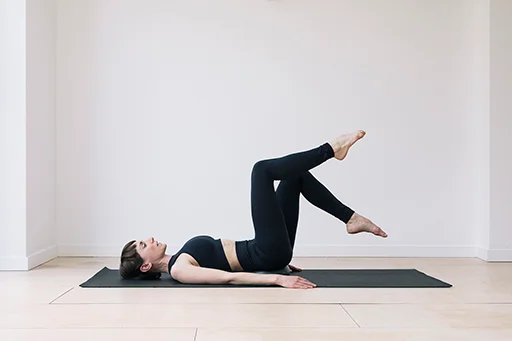
- Gentle pelvic tilts, heel slides, and knee rolls to wake up your deep abdominals without strain
- Very light postnatal Pilates or postnatal yoga – no crunches, planks, or high load at this stage
If you had a C-section:
Prioritise wound healing, comfortable positions, and gentle breath work. Avoid lifting anything heavier than your baby for the first six weeks unless advised otherwise by your medical team. Walking is usually encouraged early, but progress gradually.
Phase 2: 6 to 12 Weeks – Building Your Base
By six weeks, many women have their postnatal check with a GP or midwife. This is a brilliant time to add a women’s health physio assessment if possible. A physio can assess your pelvic floor strength, core function, any prolapse symptoms, C-section scar mobility, and diastasis, and give you a personalised baseline.
When to start Hypopressives
This is the question I get asked most often, and here’s my recommendation:
- Start Hypopressives from 6 weeks after a straightforward vaginal birth, if bleeding has settled and you feel comfortable
- Start Hypopressives from 12 weeks after a C-section, once the scar is reasonably healed and you have clearance from your medical team
Hypopressives are an ideal bridge between “early rehab” and “full training” because they:
- Improve reflex activation of your pelvic floor and deep core
- Help restore your breathing mechanics and rib mobility after pregnancy
- Train your system to manage intra-abdominal pressure with low impact and minimal strain
The key is to start with short, manageable sessions (5–10 minutes) 2–3 times per week, focusing on technique rather than intensity.
Your exercise priorities at 6 to 12 weeks
Pelvic floor training
Build up pelvic floor exercises to multiple sets per day, combining long holds (endurance) and short, quick squeezes (power), making sure you fully relax between each. If you struggle to feel the muscles, or if symptoms persist, this is where a pelvic health physio can help.
Progressive core work
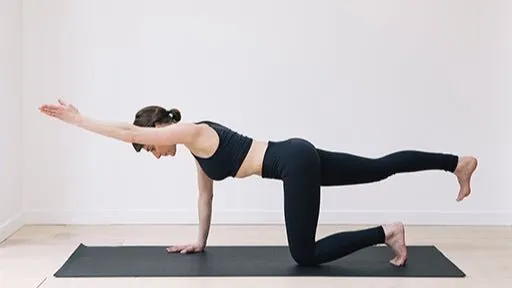
You can build on your early core exercises with heel slides, single-leg lifts with control, supported bridges (within comfort), and gentle side-lying or all-fours work (like modified bird-dogs).
Still avoid: full sit-ups/crunches, long front planks, and high-impact moves or heavy lifting that cause doming of the abdomen or pelvic floor symptoms.
Low-impact cardio
From around 4 to 6 weeks, if bleeding has settled and you feel well, you can increase walking distance and pace and consider low-impact classes like postnatal yoga or gentle postnatal Pilates.
Phase 3: 3 to 6 Months – From Rehab to Real Life
The three-month mark is a key inflection point. Many women feel more ready to be active – they want to get outside, feel their body working again, maybe start jogging or higher-energy classes. This is exactly the moment to respect the guidelines and make sure your internal support is ready.
The consensus from the 2019 “Returning to Running Postnatal” guidelines is clear: aim for a return to running between 3–6 months postpartum, not earlier, provided you meet certain strength and symptom criteria.
In the first three months, focus on low-impact training and progressive strength so that your pelvic floor, core, and joints can handle the impact of running when you do start.
The checklist before higher impact
Before adding running, jumping, or high-intensity workouts, you should ideally be able to:
- Walk briskly for 30 minutes without pelvic heaviness, leakage, or significant pain
- Perform single-leg balance and single-leg squats with good control
- Perform functional tests like single-leg bridge, step-ups, and dynamic core exercises without symptoms
If you leak, feel heaviness, or notice abdominal doming with these tests, it’s a sign that your system needs more time and support before you add impact.
Hypopressives in this phase
By now, Hypopressives can be:
- A core part of your rehab, 2–3 times per week, to keep building deep support
- A warm-up or reset before higher-load sessions (strength, running drills) to remind your body of its pressure strategy
Evidence from an 8-week randomised trial on women with pelvic floor dysfunction and urinary incontinence shows that Hypopressives significantly improved pelvic floor strength, decreased symptom distress, and improved quality of life impact, supporting their role as a primary or adjunct rehab tool.
Strength training and postnatal Pilates
From three months, many women can:
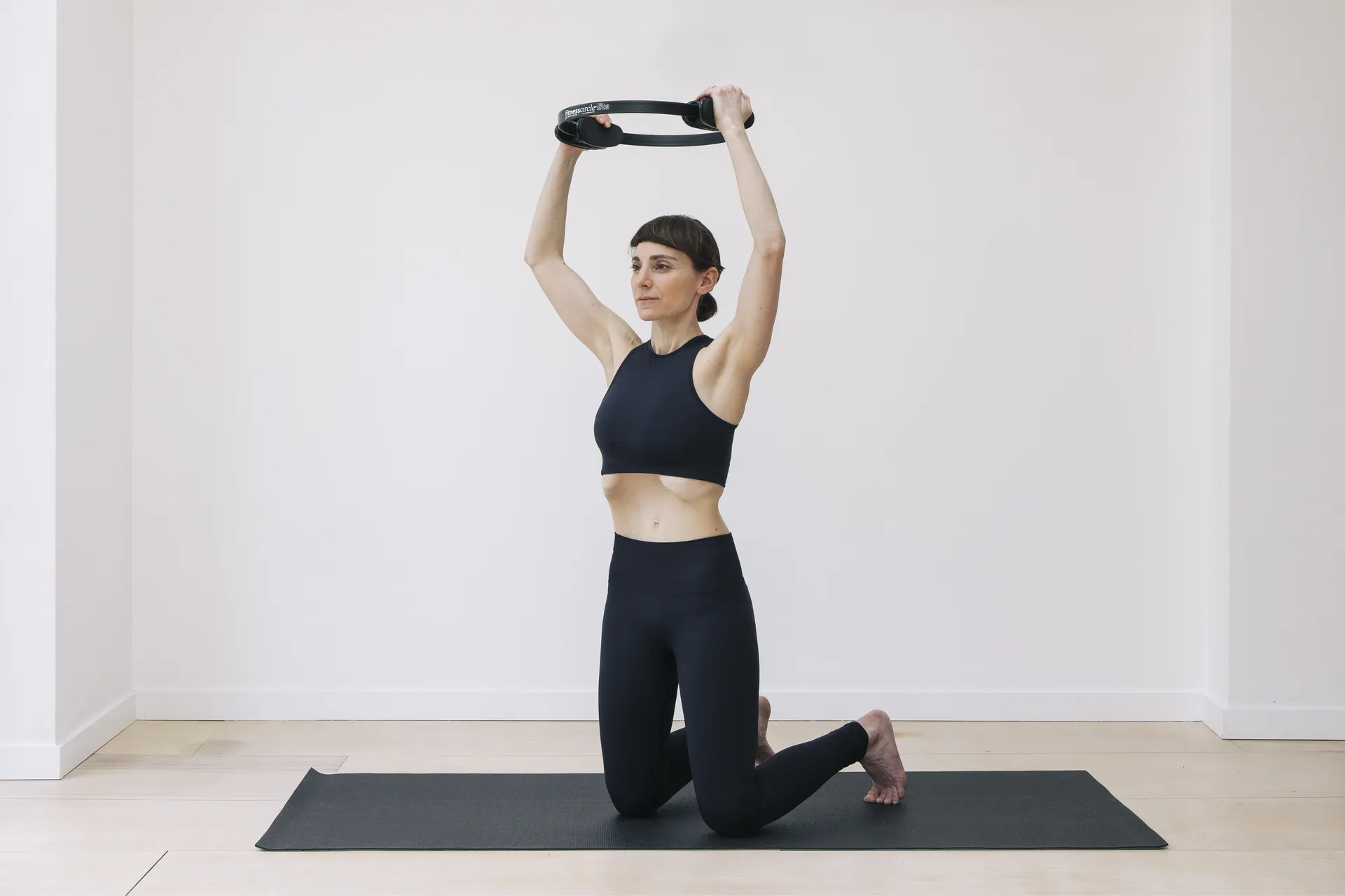
- Progress to more challenging postnatal Pilates sequences that include controlled planks (on knees or elevated), bridges, lunges, and light resistance
- Begin postnatal-focused strength training with bodyweight, bands, and light weights, as long as you monitor symptoms and technique
Phase 4: 6 Months and Beyond – Building Long-Term Strength
By six months, many tissues have completed the bulk of their initial healing, but adaptation continues. This is often when women want to fully return to pre-pregnancy running distances, strength training, sport, or more intense yoga and Pilates.
Ongoing pelvic floor and Hypopressives
Even if symptoms have improved, continuing pelvic floor training and Hypopressives as maintenance is wise. The pelvic floor remains under load from lifting, parenting and work. Hormonal patterns (breastfeeding, perimenopause later on) will continue to influence tissue quality.
Think of this as your long-term insurance for continence, prolapse prevention, and core health.
Returning to running and high-impact sports
A gradual build-up is key:
- Start with walk–run intervals (e.g., 1 minute run / 2 minutes walk) and progress over weeks
- Monitor: any leaking, heaviness, pain, or doming means you should step back, return to lower-impact work, and possibly seek physiotherapy input
- Maintain a healthy balance with ongoing strength, core training, Hypopressives, and pelvic floor work
Elite and sub-elite postpartum athletes follow similar principles: structured progression, pelvic floor/core retraining, cross-training, and regular reassessment of symptoms and load tolerance.
When to See a Women’s Health Physio
It’s beneficial for every postnatal woman to see a pelvic health physiotherapist where possible – for a baseline check at around 6 to 12 weeks. It becomes particularly important if you experience any of the following:
- Persistent urinary leakage (with cough, sneeze, or urgency)
- Vaginal heaviness, bulging, or dragging sensations
- Painful intercourse or ongoing perineal pain
- C-section scar pain that limits movement
- Pelvic or low back pain that doesn’t ease with gentle rehab
- Concerns about returning to running or sport after a complicated birth
A physio can:
- Evaluate your pelvic floor strength and tone (weak, hypertonic, or mixed)
- Assess diastasis, scar mobility, and core function
- Provide tailored rehab exercises, including when and how to integrate Hypopressives, Pilates, and gym work
- Help you decide when you’re ready to up-level your training or running
Red Flags: When to Seek Medical Help Urgently
While most postnatal symptoms are part of normal recovery, certain signs need medical attention:
- Heavy bleeding that suddenly worsens or continues unchanged beyond the early weeks
- Signs of infection: fever, foul-smelling lochia, severe abdominal pain, or red, hot, swollen C-section scar
- Sudden onset of severe pelvic pain, chest pain, or shortness of breath
- Loss of bladder or bowel control with leg weakness or numbness
If you experience these, contact your GP, midwife, triage line, or emergency services as directed locally.
Your Postnatal Recovery Roadmap (Summary)
Think of your recovery as a layered pathway:
0–6 weeks: Rest, breathe, gentle pelvic floor awakening, short walks, and very gentle core mobility.
6–12 weeks: Build a base with dedicated pelvic floor training, early postnatal Pilates, progressive walking, and short Hypopressive sessions (from 6 weeks vaginal / ~12 weeks C-section).
3–6 months: Transition from rehab to real life: progressive strength, postnatal Pilates and yoga, structured workout plans and, if criteria are met, early running or higher-impact work.
6 months+: Maintain pelvic floor health and build long-term strength, returning to the full spectrum of movement you love, with ongoing Hypopressives and supportive practices.
You Don’t Have to Navigate This Alone
The combination of evidence-based guidelines, pelvic health physio input, and practical, accessible movement programmes offers a clear, supportive pathway. I’ve walked this journey myself, and I’ve had the privilege of supporting hundreds of women through theirs.
When you engage in practices that resonate with your body, recovery is not only possible but transformative. It is possible to emerge from this experience even stronger than before having children. I’ve witnessed it time and time again.
With the right approach, knowledge, and dedication, we can not only recover but thrive after childbirth. Pregnancy and birth are among the most precious experiences you can have. The changes your body undergoes are normal, and they don’t spell the end of your physical fitness. Instead, they can be the beginning of a new phase, one in which you discover strength you never knew you had.