Quick Answer
Yes, a pessary and Hypopressives can be used together, and many women find they support different things: a pessary gives mechanical support for prolapse symptoms day to day, while Hypopressives can help build pelvic floor strength and, in Simone’s experience, meaningfully ease comfort and confidence alongside it. They work best as a complement to what a pessary or surgery provides, not a replacement. Talk to whoever fitted your pessary about wearing it during exercise, since this varies by individual and by pessary type.
There is no doubt that dealing with pelvic organ prolapse is very tough. Every moment of doubting your pelvic floor can leave you wondering, will this ever get better? Trust me, I get it, this feeling of being stuck in a never-ending loop of discomfort and uncertainty. Even the simple things, like taking a walk, lose their charm, weighed down by that persistent, heavy sensation.
And it’s not just about the physical side of things, it affects us on an emotional level too. But here’s the truth: you’re not alone. The good news, there’s hope, real, practical hope.
Maybe you’ve heard about pessaries for pelvic organ prolapse or urinary incontinence, come across Hypopressives, or are just starting to investigate solutions. Whatever brought you here, you’re in the right place.
In this article, we’ll break it all down—what a pessary is, how it works, and how adding Hypopressives to your routine can support your pelvic health.
Let’s explore how these two tools can work together.
What Is a Pessary?
A pessary is a small, flexible silicone device designed to fit comfortably in your vagina and provide essential support to your pelvic organs. Think of it as the pelvic version of a supportive sports bra—keeping everything in place, easing that heavy feeling, and helping you move more freely.
There are a variety of pessaries available, each designed to meet different needs:
- Ring Pessary: A great option for mild vaginal prolapse, offering gentle, discreet support.
- Gellhorn Pessary: Built for more advanced cases of pelvic organ prolapse, providing stronger support where it’s needed most.
Why Use a Pessary?
There are many benefits to using a pessary.
- Relieve Pelvic Pressure: No more feeling like “everything’s about to fall out.”
- Move Freely: Whether it’s walking, exercising, or just carrying groceries, a pessary can help you live without that persistent discomfort.
- Emotional Relief: Free yourself from constant adjustments and rediscover your focus.
A well-fitted pessary doesn’t just relieve physical symptoms—it lightens the emotional load, too.
While it’s not a cure, it offers a life-changing level of comfort, letting you shift your focus from managing pelvic organ prolapse symptoms to actually living more freely.
How Hypopressives Can Genuinely Help Alongside a Pessary
A pessary supports the prolapse mechanically. Hypopressives work differently: a small study of 20 women with grade 1-2 pelvic organ prolapse found that a six-week, supervised Hypopressives programme improved pelvic floor muscle strength and symptom scores (Parle, Shahmalak & Irkar, 2021, Nepal Journal of Obstetrics and Gynaecology). That’s a small study without a stated control group, and it looked at grade 1-2 prolapse specifically, so it can’t tell us what happens with more advanced prolapse, and it isn’t evidence that Hypopressives reposition the prolapse itself.
What this means in practice: Hypopressives work alongside your pessary, not instead of it. In my experience teaching Hypopressives, many women see genuinely meaningful, sometimes life-changing improvement in comfort and confidence when they combine pessary support with consistent Hypopressives practice, building pelvic floor strength and better pressure management day to day.
Can You Combine a Pessary & Hypopressives?
Yes, pessaries and Hypopressives can work well together.
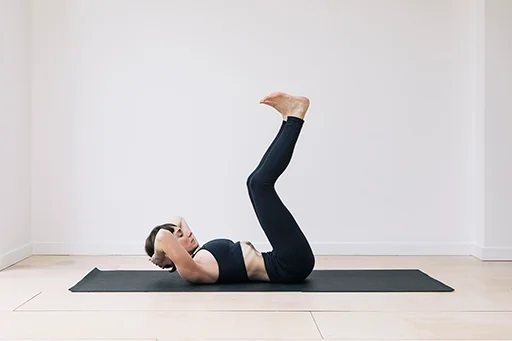
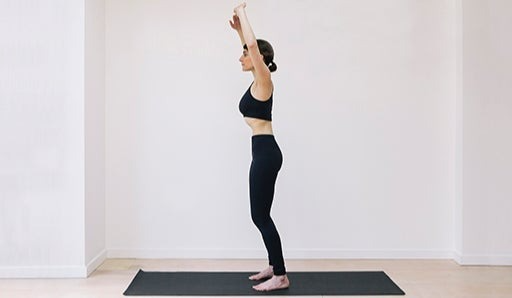
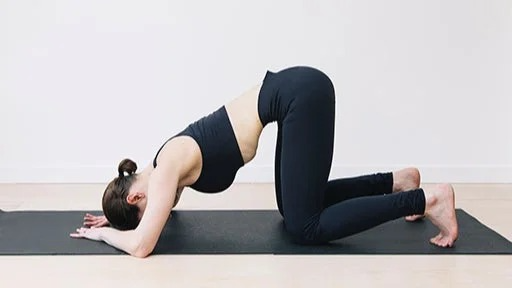
The pessary provides immediate structural support, easing discomfort. Hypopressives, meanwhile, may help strengthen your pelvic floor and core over time. During Hypopressives, you might notice a slight difference in the “Apnea” phase (where you create a vacuum effect in your abdomen). This happens because the pessary slightly alters the dynamics of your pelvic area. This doesn’t make the exercises any less effective.
Should You Wear Your Pessary During Hypopressives?
If you use a removable pessary, you’ve got options.
Some women prefer keeping their pessary in during Hypopressives for added stability. Others feel more comfortable taking it out, especially when practicing at home.
Tips for Experimentation:
- Try It Both Ways: Test Hypopressives with and without your pessary to see what feels best for your body.
- Tune Into Your Body: Pay attention to how your alignment, movement, and pelvic floor respond.
- Choose a Quiet Space: Practice in a private, calm environment where you can fully focus.
Getting Started
If you’d like to try Hypopressives alongside your pessary, start with a class designed for pelvic organ prolapse and let your instructor know about your pessary and its type, so they can guide you appropriately.
For the Hypopressives classes it is important that you learn the Apnea technique properly so that you can get the most out of the classes and the time you invest in yourself. Each week Simone runs Fundamentals sessions on Zoom where she explains the technique and guides you through all the steps. She will also give you feedback to make sure that you’re doing it correctly. For some, the technique may come more quickly than others. Some of her clients, who are tighter in the ribs and thoracic spine do tend to take a little longer.
And here’s the golden rule – for impactful change, Simone recommends at least three 15 to 20-minute workouts per week. Consistency is your best friend on this journey towards wellness. If you’re using a pessary, make sure it’s properly inserted and comfortable before starting.
Remember, it’s okay if it takes time to find what works for you.
Here’s your checklist for moving forward:
- Book a pessary fitting with a trusted healthcare provider.
- Start Hypopressives—find a class or use online resources.
- Take small daily steps to strengthen your pelvic floor and core.
- Stand tall. Move forward.