Addressing Postnatal Symptoms with Hypopressives: Weak Pelvic Floor Muscles
For women, the postpartum period is not just a moment of immense joy and change; it can come with many challenges, particularly those associated with pelvic floor health. Symptoms associated with a weakened pelvic floor can have a significant impact on a woman’s quality of life.
Therefore, the right strategy to counter these symptoms is important. Hypopressives, a technique renowned for repairing and strengthening pelvic floor functionality, has proven to be highly effective.
Simone Muller, a reputable yoga, Pilates, and Hypopressives instructor, has been teaching these disciplines for many years and has seen firsthand how the Hypopressives breathing technique can change lives.
Weak Pelvic Floor Muscle Symptoms
A weakened pelvic floor can cause a variety of symptoms that affect a woman’s physical and emotional well-being. But, how do you know if you have a weak pelvic floor? Here are some common symptoms:
– Urinary Incontinence: A large number of women experience involuntary urine leakage, especially while coughing, sneezing, or participating in physical activities.
– Pelvic Organ Prolapse: The descent of pelvic organs, a result of weakened pelvic floor muscles, can cause feelings of pressure or a bulging sensation in the vaginal region.
– Bowel Dysfunction: Difficulty in regulating bowel movements, leading to bowel incontinence or constipation, can be attributed to a weakened pelvic floor.
– Sexual Dysfunction: Pelvic floor weakness can lead to painful or uncomfortable sexual intercourse for women.
– Diastasis Recti: Pregnancy can lead to the separation of abdominal muscles, which weakens the core and abdominal muscles, thereby causing a bulging or “pooch” appearance of the belly after childbirth.
The Remarkable Impact of Hypopressives on pelvic floor muscles
A well-rounded and customised approach is key when addressing postpartum pelvic floor restoration. While traditional strategies such as Kegel exercises can provide some benefits, Hypopressives present an innovative and effective methodology that goes beyond simple muscle contractions.
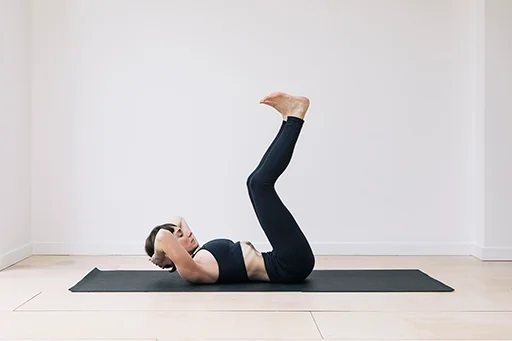
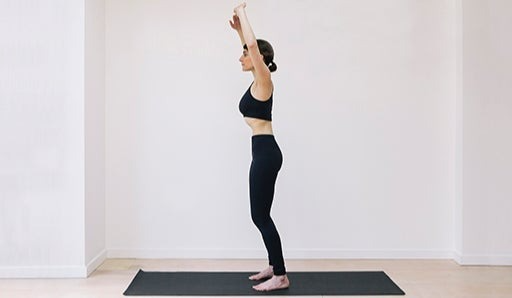
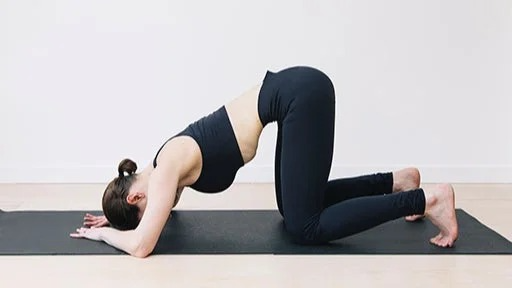
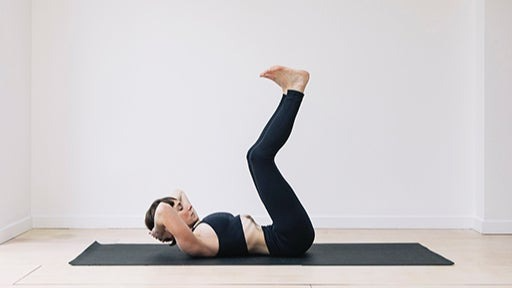
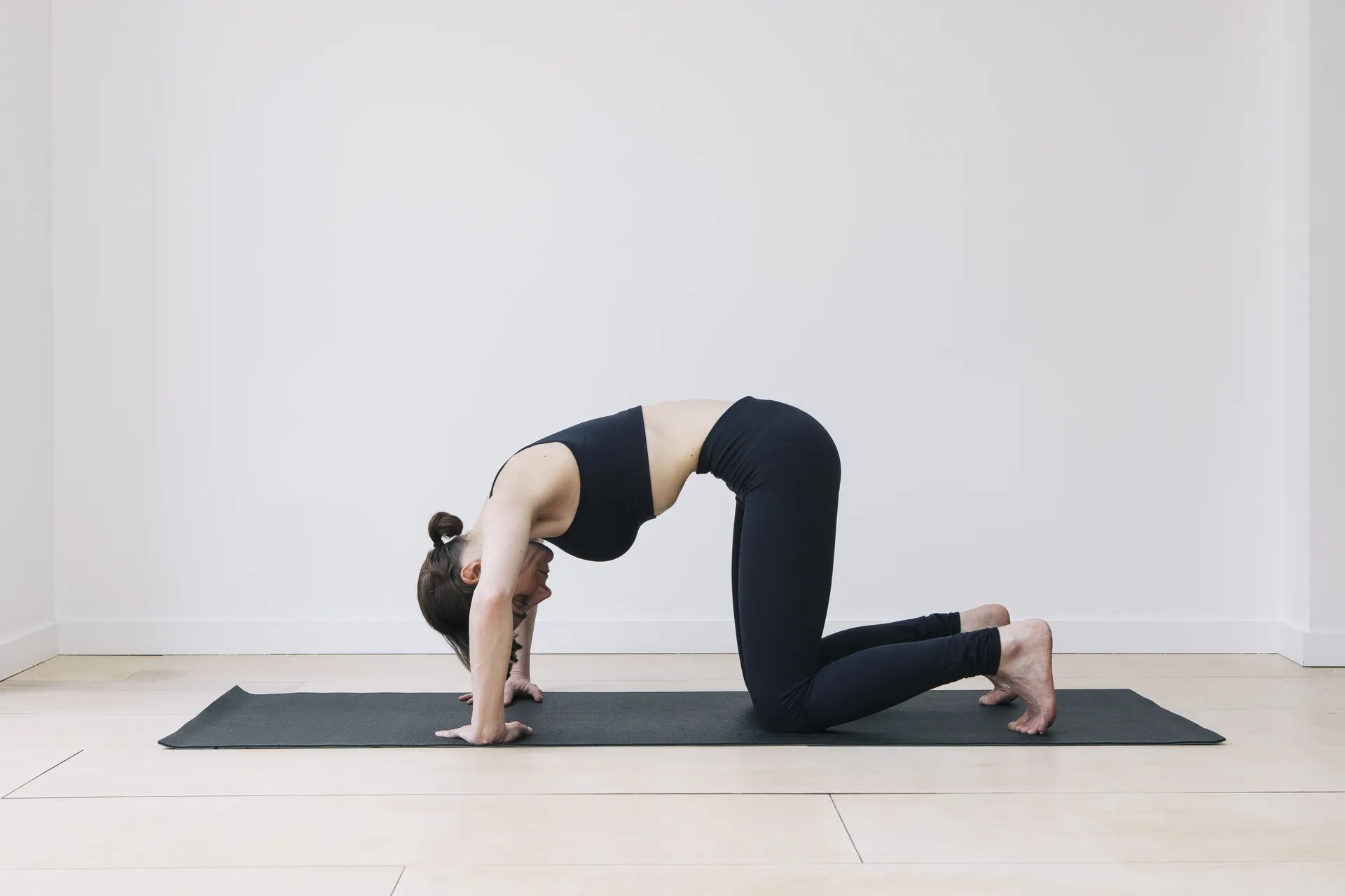
Hypopressives is a unique blend of breathing and posture exercises that focus on the body’s internal functions. They work to reduce intra-abdominal pressure and strengthen core muscles, including the pelvic floor and transversus abdominis, from within. The result is enhanced pelvic floor functionality, a reduction in waist size, and improved support for internal organs, leading to better posture and improved pelvic health.
A significant number of women have incorporated the Hypopressives breathing technique into their postpartum routine and have seen significant improvements in pelvic floor function. This has resulted in symptom relief and an overall improvement in their health.
Getting started: Relieve Pelvic floor muscle symptoms
To get the most out of your time and effort in the Hypopressives classes, it is important that you learn the Apnea breathing technique. It also ensures that you are carrying out your practice in a safe manner.
Simone runs weekly fundamental sessions where she will guide you through the technique either in a one-to-one setting or in a small group on Zoom – think of it as your personal introductory tour through all the technique’s steps, with feedback given to ensure you’re on the right path. While most people understand and can apply the technique after this session, don’t worry if you need a little extra time. Some clients, especially those with tightness in their ribs and thoracic spine, may benefit from an additional session.
Once you’ve learned the technique, Simone recommends at least three 15 to 20-minute workouts per week to really make an impactful change. Consistency is key in this journey. After the initial session, you can start with the live and recorded classes to incorporate this effective routine into your daily lifestyle.