Hypopressive Exercises – A Solution for Weak Pelvic Floor Muscles
The pelvic floor is a system of muscles and tissues that provide vital support for our organs. It plays a role in maintaining core stability, continence and overall well being. However various factors like childbirth, ageing, hormonal changes, obesity, chronic coughing or high impact activities can weaken the pelvic floor. This weakening can lead to issues such as incontinence, pelvic organ prolapse and discomfort.
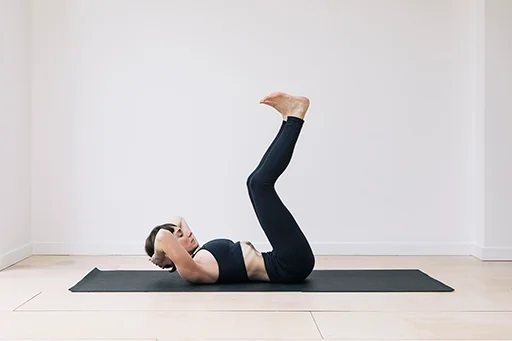
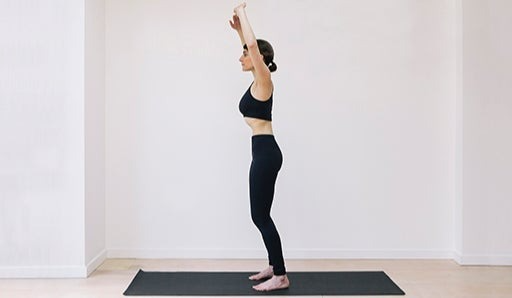
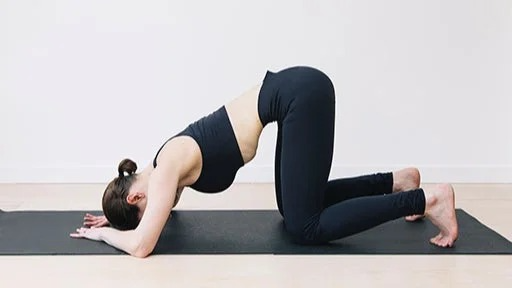
One effective approach to combat pelvic floor weakness is through a set of exercises known as Hypopressives. Hypopressive breathing exercises focus on reprogramming posture, improving muscle strength, and enhancing respiratory function. Hypopressives can offer a non-invasive and empowering solution to strengthen the pelvic floor muscles and alleviate associated problems.
What exactly are Hypopressives?
Hypopressives involve exercises that target both the pelvic floor and core muscles. Coined from “hypo” meaning low or reduced in Greek and “pressives” referring to pressure, this Low Pressure Fitness regimen was developed by Dr. Marcel Caufriez—a physiotherapist—and has gained recognition for its exceptional ability to strengthen and rehabilitate the pelvic floor.
Hypopressive techniques are a series of exercises designed to engage the deep core muscles, particularly the pelvic floor (muscles responsible for bladder control), transverse abdominis (deep abdominal muscles), and the diaphragm (muscles involved in breathing). The main objective is to create an involuntary response from these muscles, promoting their contraction and lifting. Unlike traditional exercises that increase intra-abdominal pressure, hypopressives reduce pressure in the abdominal cavity while activating the core muscles.
Benefits of Hypopressives
1. Strengthening the Pelvic Floor
Hypopressives directly target the pelvic floor muscles by encouraging their activation and strengthening them. These exercises are designed to improve muscle tone and endurance helping to address weakness and improve control of the pelvic floor.
2. Improving Posture
Poor posture can exacerbate pelvic floor issues. Hypopressives promote proper alignment of the spine and pelvis, correcting posture and preventing further strain on the pelvic area. By re-educating the body on correct postural habits, these exercises alleviate stress on the pelvic floor.
3. Enhancing Respiratory Function
Effective breathing patterns are vital for pelvic floor health. Hypopressives emphasise diaphragmatic breathing, encouraging efficient oxygen intake and promoting relaxation of the pelvic floor muscles. This can alleviate tension and pressure on the pelvic area.
4. Alleviating Urinary Incontinence
One of the most common issues associated with pelvic floor weakness is urinary incontinence. Hypopressives can significantly reduce the frequency and severity of incontinence by strengthening the muscles responsible for bladder control.
5. Preventing Pelvic Organ Prolapse:
Pelvic organ prolapse is a condition where pelvic organs descend due to weak support from the pelvic floor. Hypopressive exercises aid in preventing or mitigating this condition by strengthening the muscles that provide crucial support to these organs.
Getting started
For the Hypopressives classes it is important that you learn the Hypopressives breathing technique properly so that you can get the most out of the classes and the time you invest in yourself.
Each week Simone runs Fundamentals sessions on Zoom where she explains the technique and guides you through all the steps. She will also give you feedback to make sure that you’re doing it correctly. For some, the technique may come more quickly than others. Some of her clients, who are tighter in the ribs and thoracic spine do tend to take a little longer.
And here’s the golden rule – for impactful change, Simone recommends at least three 15 to 20-minute workouts per week. Consistency is your best friend on this journey towards wellness.