Quick Answer
Exercises that support your deep core and pelvic floor working together, rather than traditional crunches, are generally recommended for Diastasis Recti. A randomised trial found Hypopressives reduced the gap between the abdominal muscles about as well as conventional abdominal exercise, and a separate small study found a similar reduction after a Hypopressives-only programme. In my experience teaching Hypopressives, many women achieve significant, sometimes life-changing, reduction in their gap with consistent practice. If your gap hasn’t improved after a few months of consistent practice, or you’re not sure what you’re working with, a women’s health physiotherapist can assess it properly.
Dealing with the post-childbirth condition of Diastasis Recti, characterised by the parting of abdominal muscles, can be a long and challenging journey for many women. Hypopressives are a specialised technique focusing on core muscle toning and reducing intra-abdominal pressure, and some women use them as part of managing Diastasis Recti symptoms.
Hypopressives engage the key core muscles, like the transverse abdominis, pelvic floor, and internal obliques, through unique breathing techniques and postural modifications. This approach aims to work the linea alba, which links the two halves of the rectus abdominis.
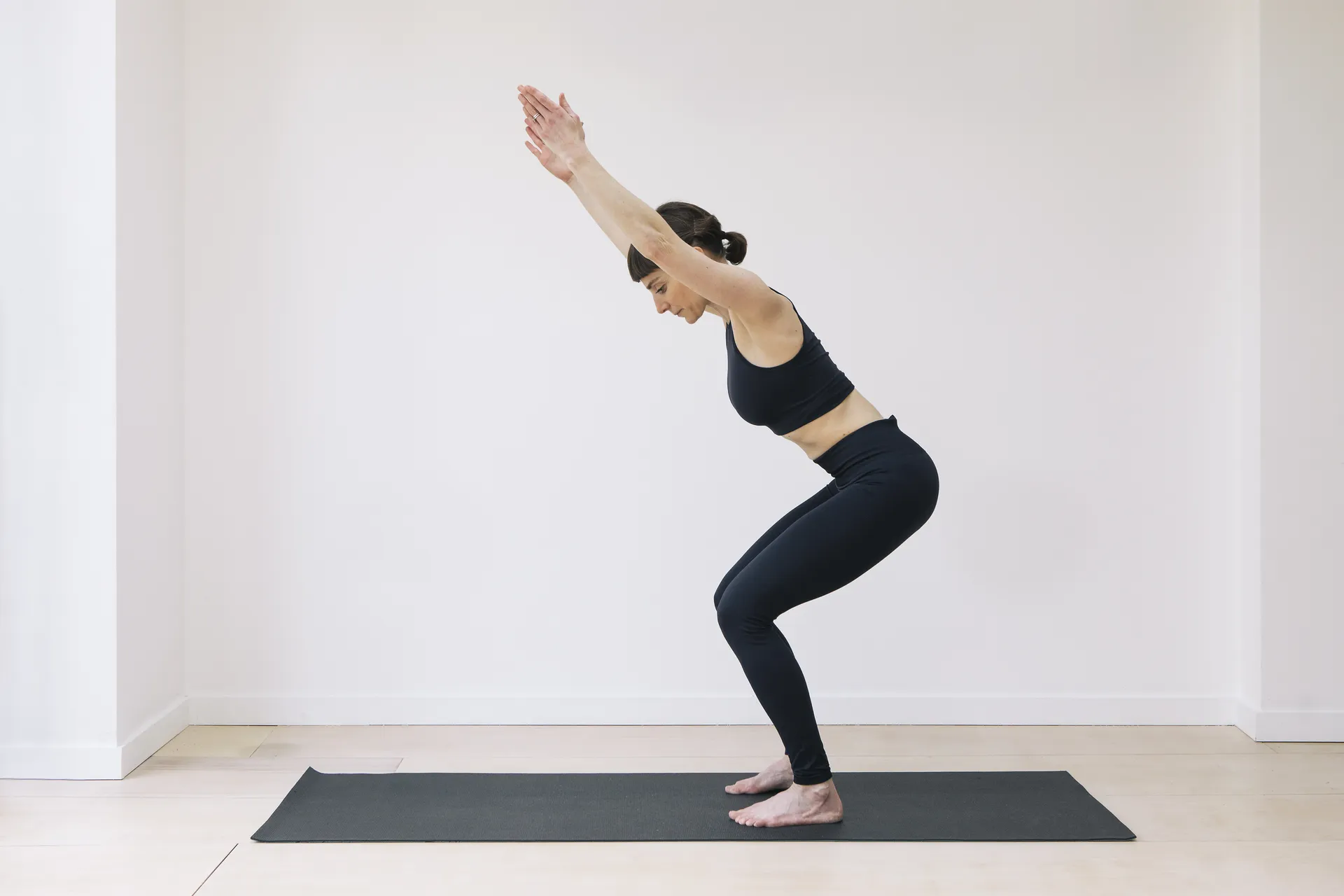
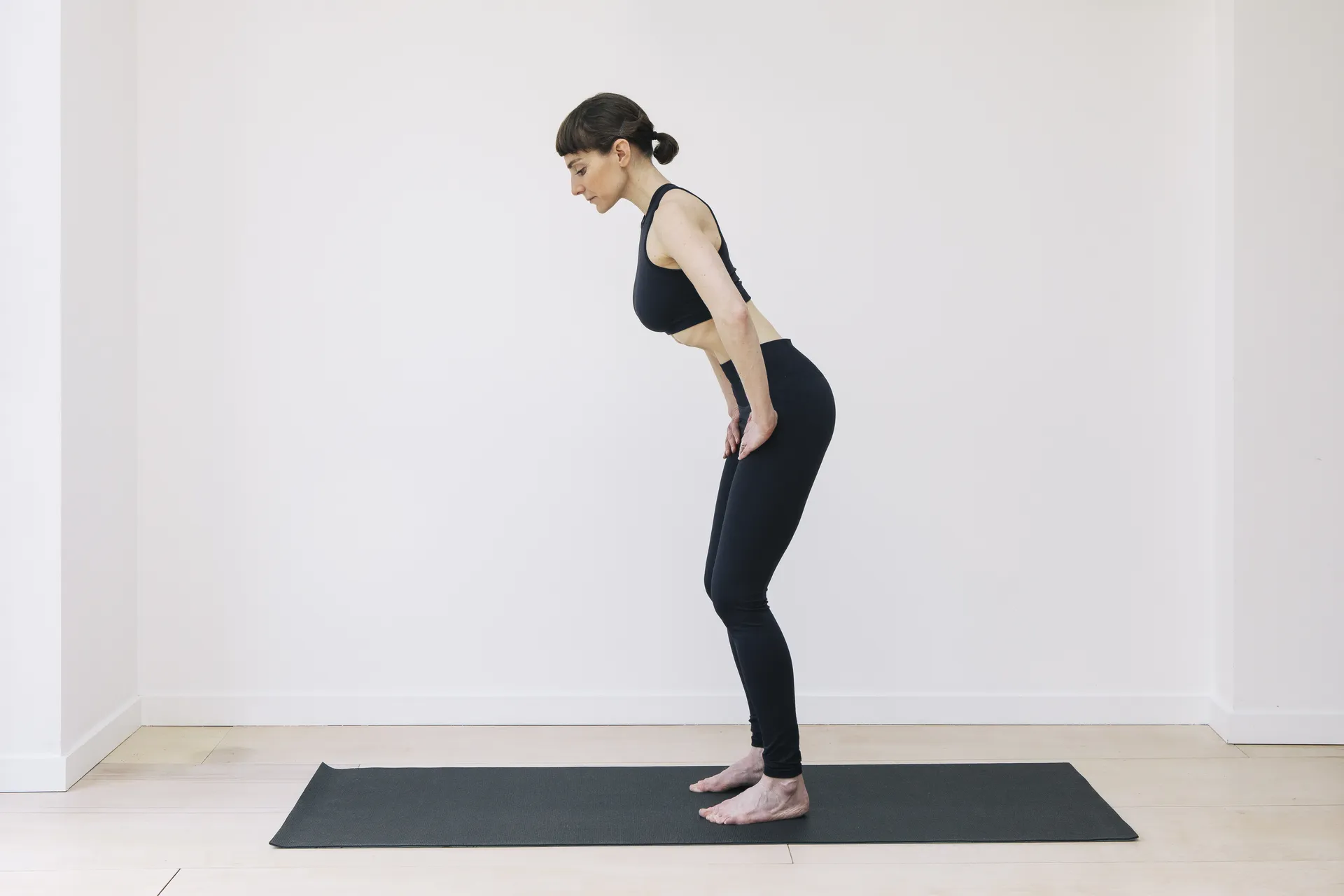
Beginning your Hypopressives journey entails mastering the apnea breathing technique before incorporating exercises to improve Diastasis Recti, such as Low Pressure Fitness poses.
How Hypopressives Can Genuinely Help With Diastasis Recti
In the apnea we create tension in the linea alba and this tensioning of the tissue starts to create a change in the tone. Conversely, while traditional abdominal exercises like crunches, may strengthen the rectus abdominis (AKA the six pack muscles) it will not change the connective tissue between the two sides.
The latest thinking about the significance of the gap in a Diastasis has changed. In the past, the focus of the concern was mostly about the distance between the two sides of the rectus abdominis, the concern now is more about the integrity of the connective tissue.
Even if your Diastasis is wide, if the connective tissue has some tone, it can still be functional. Another way to think about it is through the core canister or our 360 degree central abdomen unit, made up of the pelvic floor, abdominals, diaphragm and back muscles. If the front of our core canister has very little tone then it is a problem as the rest of the canister struggles to find balance and support. Where there is weakness the pressure will go. For instance, if you have weakness and cough, some women experience bulging. We need to be able to do what is known as force closure, so that we engage the abdomen and create tension to be able to have good function in the core canister system.
Hypopressives are one approach some women use for Diastasis Recti, aiming to support function and coordination within the core canister.
What the evidence actually shows
A 2024 randomised controlled trial compared Hypopressives with conventional abdominal exercise in 28 postpartum women over a six-week programme. Both approaches reduced the gap between the abdominal muscles by a similar amount, the difference was in how it happened: conventional exercise reduced the gap at rest, while Hypopressives reduced it during muscle contraction (Soto-González et al., 2024, PLOS One). Neither approach came out clearly ahead overall.
A separate, smaller study followed 12 postpartum women through a 4-week Hypopressives-only programme (3 sessions a week) and measured the gap between the abdominal muscles, trunk circumference, and the tension in the surrounding tissue (Ramírez-Jiménez et al., 2023, Physiotherapy Theory and Practice). It found a statistically significant reduction in the gap and decreased tissue tension at several points measured, with no complaints reported. That’s a genuinely small, uncontrolled study, and the authors themselves say “different study designs should be performed to better explain the effects” before drawing firm conclusions.
Taken together, this points to Hypopressives being a genuine, evidence-backed way to meaningfully close the gap and rebuild core strength. In Simone’s experience teaching Hypopressives for many years, this is one of the outcomes she sees most often in her clients, sometimes dramatically so, though how much changes depends on your specific presentation. Consistent practice is what tends to make the difference.
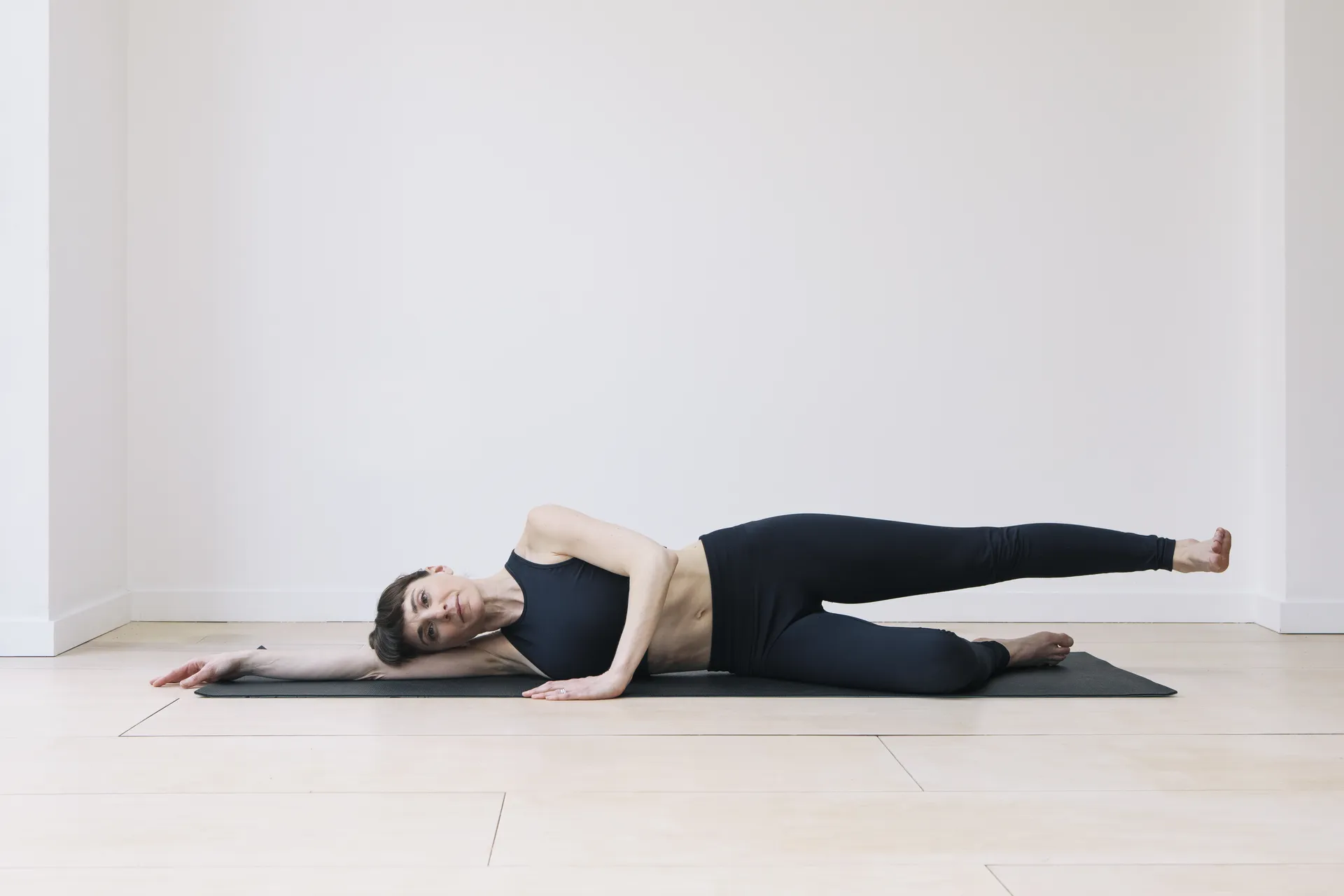
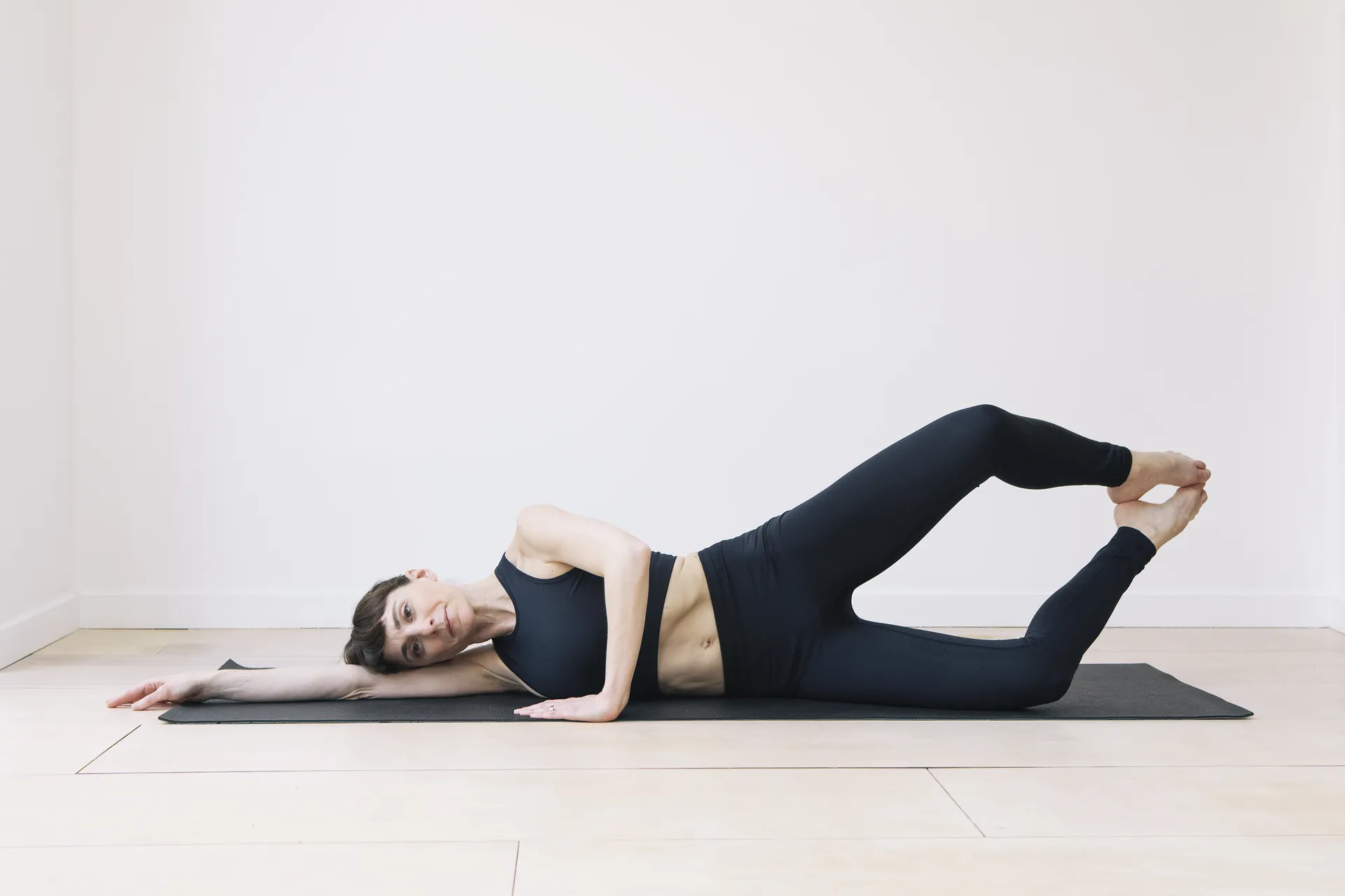
Asymmetric poses are among the Diastasis Recti exercises some women find helpful, due to the crossed pattern engagement of the oblique lines. Three poses to try are Asymmetric Demeter, Freya and Persephonie. These poses can all be found in the Diastasis focus category on re-centre.
Working on Diastasis Recti can take time, and consistency with the right set of Hypopressive poses may make a genuine difference for some women. Starting with a few repetitions of each exercise, you gradually increase your strength, allowing you to undertake more.
Personalised Diastasis Recti Exercises with a Hypopressives Instructor
Seeking guidance from a qualified Hypopressives instructor is advisable, as they can offer personalised instruction, adjust exercises to suit your needs, and provide progression routes tailored specifically for you.
By incorporating these Diastasis Recti exercises into your regular routine, you’re setting yourself up for the best chance of progress. Although improvements might not be instantaneous, staying patient, listening to your body, and celebrating each small achievement will help you maintain momentum.
Getting started: Exercises to help Diastasis Recti
For the Hypopressives classes it is important that you learn the Apnea technique properly so that you can get the most out of the classes and the time you invest in yourself.
Each week Simone runs Fundamentals sessions on Zoom where she explains the technique and guides you through all the steps. She will also give you feedback to make sure that you’re doing it correctly. For some, the technique may come more quickly than others.
Some of her clients, who are tighter in the ribs and thoracic spine do tend to take a little longer. For the technique to make an impactful change she recommends doing a minimum of 3 workouts a week for 15 to 20 minutes.