Quick Answer
Starting years after the gap appeared is still worth doing. Structured exercise reduces the distance between the abdominal muscles, and while the research shows larger reductions when training begins within three months of birth, the benefit does not disappear after that. What tends to change most is how the area works rather than the measurement alone, which is why function matters more than finger widths. Having it assessed first is sensible if you have never had anyone look at it.
The question I get asked most about diastasis is some version of “is it too late for me”. Usually from someone whose youngest is at school, who was told at a six week check that it would sort itself out, and who has spent years assuming the window closed. It did not. The tissue in the middle of your abdomen is living tissue and it responds to how you load it, at forty five as much as at thirty.
What the Research Shows About Starting Late
A 2026 systematic review and meta-analysis pooled nine randomised controlled trials covering 450 women and found that structured exercise programmes significantly reduced the distance between the abdominal muscles, by an average of around eight millimetres compared with no treatment or standard care.
The same analysis looked at timing. Programmes starting within three months of birth achieved a larger reduction, around ten millimetres, than programmes starting later. That is a genuine difference and worth knowing. What it is not is evidence that later programmes fail, because the pooled benefit across all nine trials still favoured exercise clearly. Earlier is better, and later still works.
Interestingly the same review found that no single type of training outperformed the others. What consistently beat doing nothing was structure: a programme, followed properly, for long enough. That is reassuring if you have been agonising over picking the perfect method.
Why the Measurement Is Not the Whole Story
The same review found something worth sitting with. The gap narrowed significantly, but the measure of physical disability the researchers used did not shift much alongside it. In other words the anatomy improved and the broad functional score did not move in step with it.
That sounds discouraging until you think about what women actually come in wanting. Almost nobody arrives asking for a smaller number. They want their middle to feel like it holds when they lift a child, they want to stop the doming, they want their waistband to sit differently, and they want to trust their body in a class again. Those things are not well captured by a disability questionnaire, and they are the things that tend to change.
What Actually Builds Tension Across the Gap
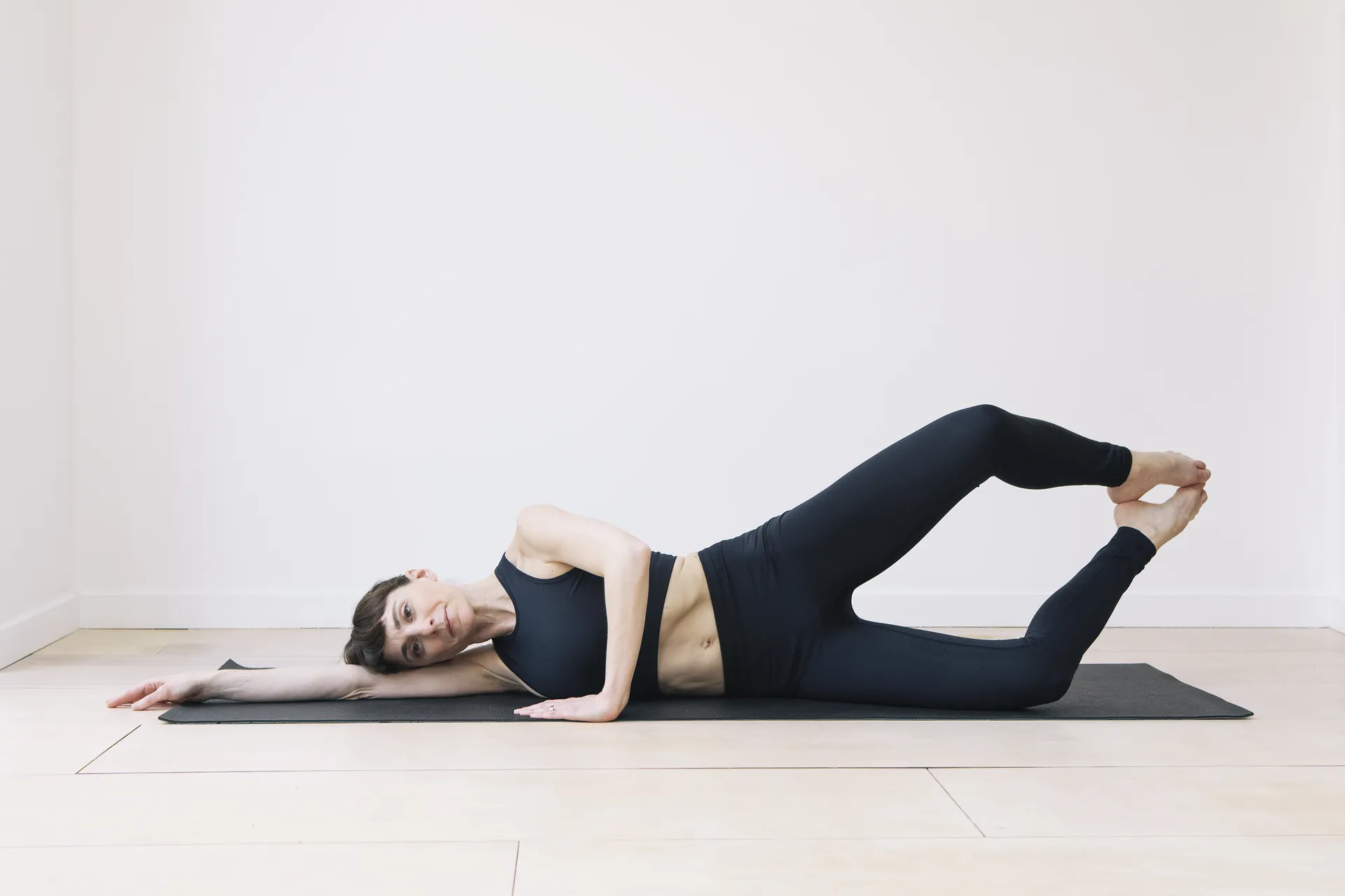
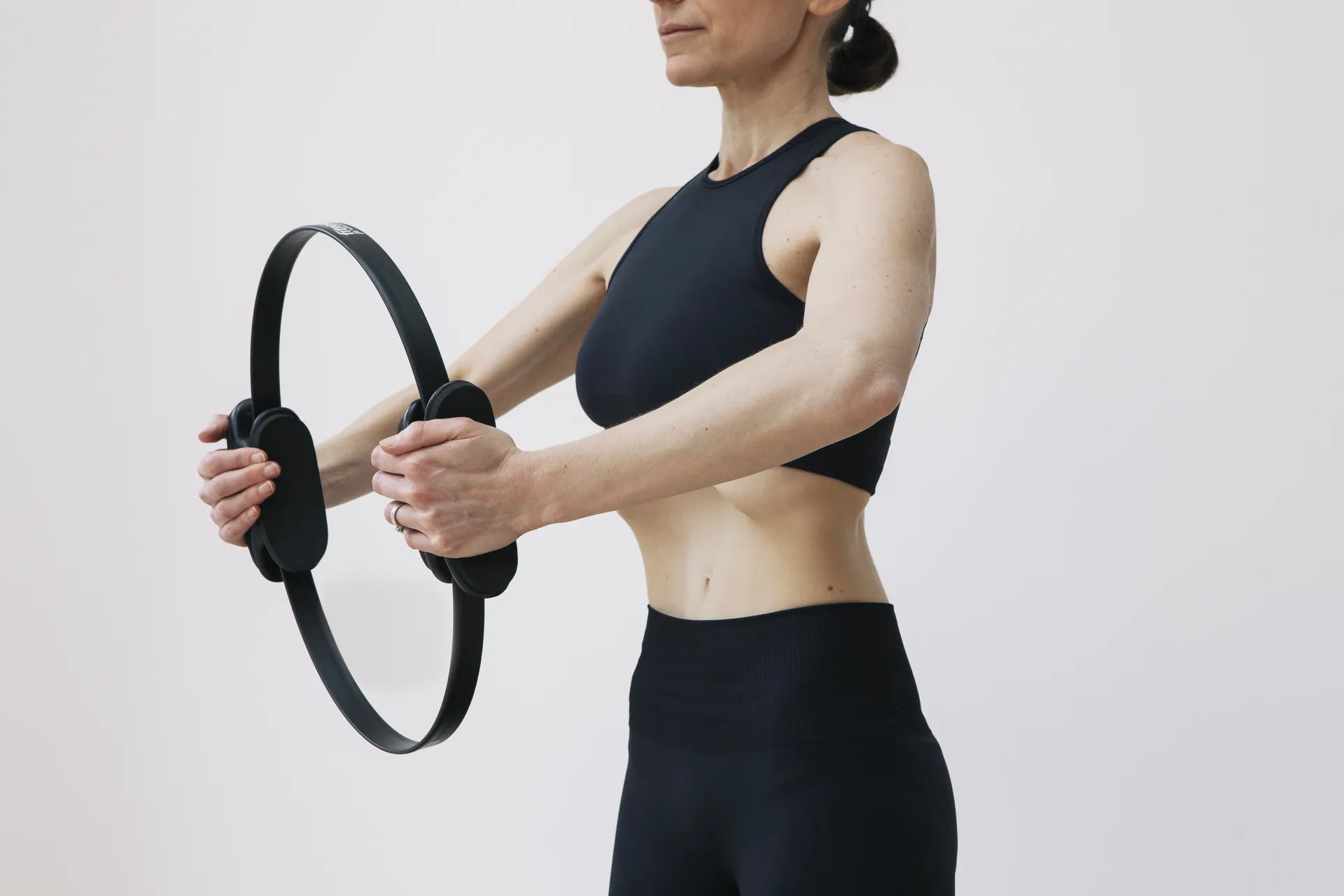
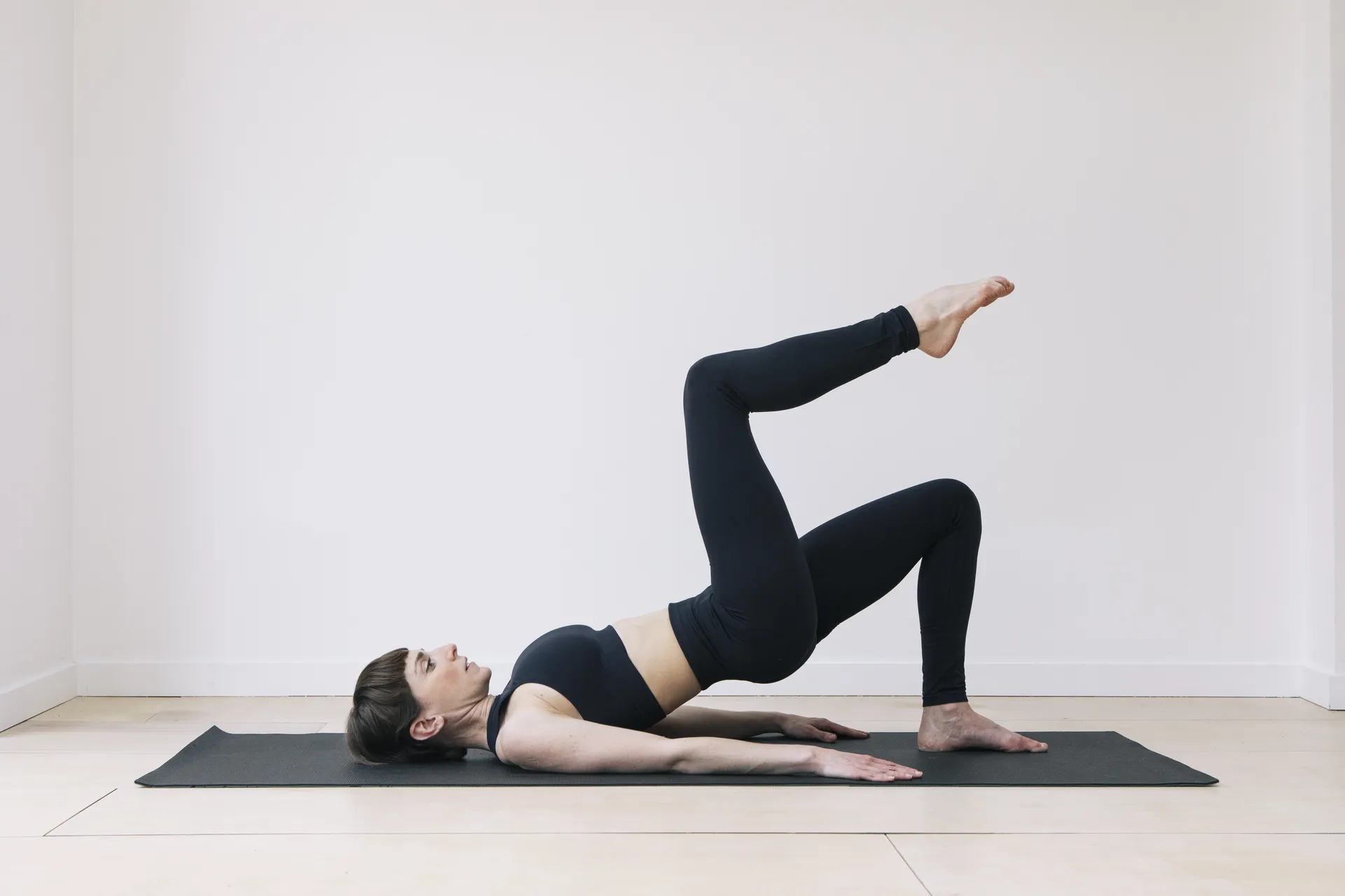
The goal is not really to pull the two sides together by force. It is to build tension across the connective tissue in the middle so that it behaves like a firm sheet rather than a slack one. Pilates does this well. In a controlled study of 35 postpartum women, four weeks of Pilates significantly reduced the distance between the muscles and improved abdominal endurance compared with a control group who carried on as normal.
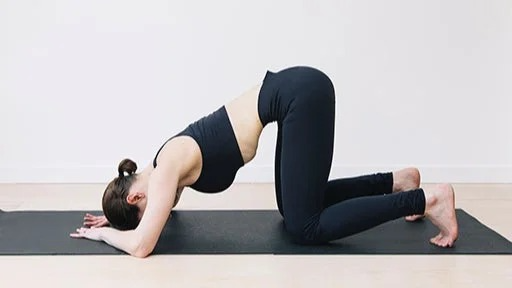
Hypopressives work the same tissue from a different direction. Rather than shortening the muscles, the technique loads the connective tissue while it is lengthened, using breath and posture. In my work with clients who have carried a gap for years, this is often the thing that finally produces a change in how the middle feels, after a long run of exercises that only ever worked the surface.
Why a Years Old Gap Behaves Differently
In the first few months after birth a lot is changing on its own. Hormones are settling, the abdominal wall is recovering from being stretched, and a good deal of natural narrowing happens without anyone doing anything deliberate. That is the window the research is picking up when it finds larger reductions from early programmes. You are working with the body’s own recovery rather than alongside it.
Years later, that background change has finished. The gap you have now is the one your current habits maintain, which sounds discouraging and is actually the useful part. Nothing is going to shift it by accident, but it also means a genuine change in how you load the area is the whole intervention, rather than something competing with other variables.
The other thing that changes with time is compensation. A decade of a middle that does not hold well usually means other things have taken over, often the upper abdominals, the back, or breath holding under any effort. Those patterns are learned, and they come apart with practice, but they are why starting late tends to need a bit more unpicking before the strengthening does much.
What a Week Actually Looks Like
A realistic programme is less dramatic than most people expect, and the consistency is the active ingredient.
- Three sessions a week of fifteen to twenty minutes is a sensible starting point and enough to produce change
- Breath work comes first, because almost nothing else works properly if you brace and hold your breath under load
- Positions that lengthen rather than shorten the abdominal wall, so tension builds across the gap instead of bunching it
- Progressive load over weeks, rather than the same routine indefinitely
- Everyday habits count, particularly how you get out of bed, lift, and carry, because those happen far more often than your training does
What to Expect, Honestly
- Change in how the area feels usually comes before any change you can measure
- Most women see the doming settle first, often within a few weeks of training differently
- A gap that has been there for years rarely disappears entirely, and does not need to
- Consistency beats intensity, and three sessions a week sustained for months beats a hard fortnight
- If the gap has not changed at all after several months of structured work, that is worth an assessment rather than more of the same
When to Seek Assessment
This guide is educational and cannot diagnose the cause of your symptoms. Arrange assessment with a GP or pelvic health physiotherapist if you have a bulge that does not soften when you lie flat, pain in the area, a lump that is tender or firm, or any new change in a gap that had been stable. A bulge near the belly button in particular is worth having examined, since diastasis and an umbilical hernia can look alike from the outside and are not managed the same way. Seek urgent medical help if a bulge becomes painful, hard or is accompanied by nausea or vomiting.
If you are not certain what you are dealing with, our guide to telling diastasis recti and an umbilical hernia apart walks through how each one is diagnosed.
Sources
- Capoccia Giovannini et al. (2026): Non operative management of postpartum diastasis recti, a systematic review and meta-analysis of randomised controlled trials, Hernia
- Lee et al. (2023): Effects of Pilates on inter-recti distance, rectus abdominis thickness, waist circumference and abdominal muscle endurance, BMC Women’s Health
- NHS: Diastasis recti, self care and when to get advice
- Pelvic Obstetric and Gynaecological Physiotherapy: Finding a specialist physiotherapist