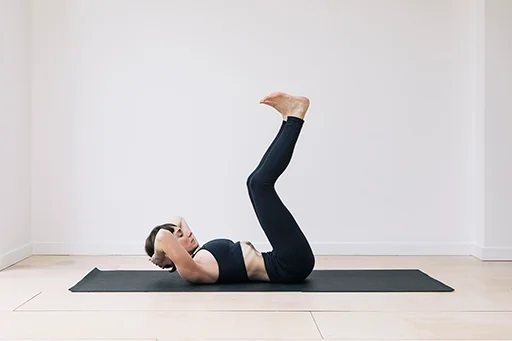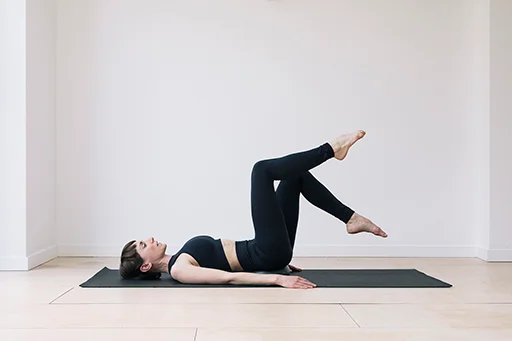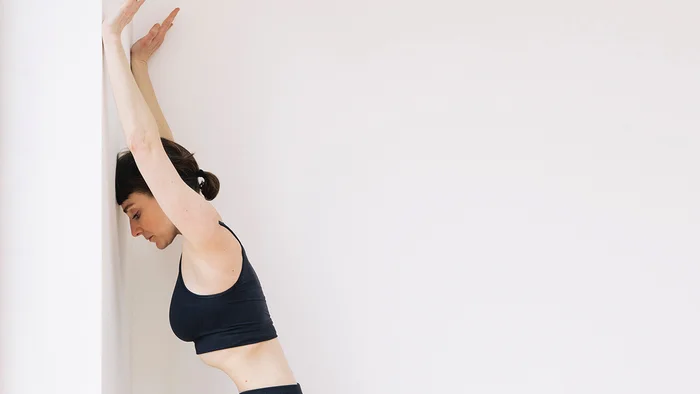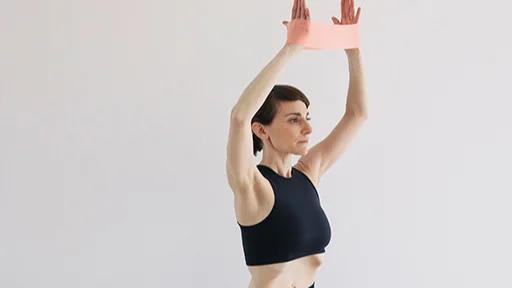
Have you ever felt a little leaking after coughing or sneezing? That’s urinary incontinence and it’s more common than you think. The condition can range from minor mishaps to more inconvenient frequent leaks.
But solutions do exist and one of them is hypopressive exercises. It’s a combination of breathing and posture techniques designed to make the pelvic floor stronger, which helps with regaining control of your bladder.
We’ll break down what Hypopressives do to our body, so you can incorporate it into your life without feeling like you need a PhD in pelvic health.
What are Hypopressives Exercises?
Hypopressive exercises strengthen your body from the inside out. They do so by reducing internal pressure and engaging those deep, often-neglected muscles, like the pelvic floor and core.
Traditional core exercises focus on intense contractions, think sit-ups and planks, where you need to squeeze and flex. Hypopressives, however, work differently. These exercises create a negative pressure in your abdomen. This encourages your deep core muscles, including the pelvic floor, to respond when you need it most (like during a sneeze or doing something that puts pressure on your abdomen).
As a result, Hypopressives help reduce urinary incontinence symptoms. They also improve circulation in your pelvic area and legs and promote better posture. So, if you’ve been through childbirth, or perhaps you’re dealing with prolapse, Hypopressives can give your pelvic floor muscles the support they need to stay healthy and function well.
The Science Behind How Hypopressives Work
So, you might be wondering how the Hypopressives exercises work. What do they do to regain your control over your bladder? Let’s discuss the science behind the benefits of these exercises:
1. Reducing Intra-Abdominal Pressure (IAP)
Do you experience leaks when you run, jump, laugh, or sneeze? That’s an example of how increased intra-abdominal pressure (IAP) can cause urinary incontinence.
When too much air (pressure) gets pushed down into the pelvic area, it puts a strain on the bladder and pelvic floor muscles. Those muscles, your pelvic floor muscles, are responsible for holding urine. But when they’re under pressure, they cannot prevent leaks anymore.
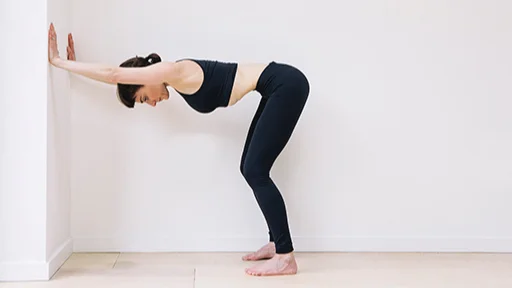
Hypopressives address this pressure problem head-on. These exercises include a breathing technique and some postural adjustments that lower intra-abdominal pressure. When you open the rib cage in a breath hold this lifts the organs and the pelvic floor. The result? A vacuum-like effect is created within the abdominal cavity, reducing that downward pressure and giving your bladder and pelvic floor muscles a bit of breathing room. And less pressure on the bladder means fewer leaks.
2. Reflexive Activation of Pelvic Floor Muscles
So, when you cough, sneeze, or even laugh, the pressure inside your belly changes suddenly. In these situations, your pelvic floor muscles should contract automatically to keep your bladder under control. It’s your body’s built-in way to prevent leaks.
But the problem occurs when these reflexive contractions don’t work as they should. In some cases, they might be overactive or don’t coordinate well, especially if you have a hypertonic pelvic floor or the pelvic floor is overworked.
The breathing techniques in Hypopressives trigger a reflex that activates your pelvic floor muscles without needing to consciously “think” about it. This reflexive activation can help improve your muscle tone and responsiveness. As a result, it makes your pelvic floor better at preventing urinary leakage.
3. Improving Pelvic Organ Support
When women go through pregnancy or hit menopause, their pelvic floor muscles may start to lose their strength. It may result in involuntary urination, along with pelvic organ prolapse (POP), where the organs in your pelvis, including the bladder, may start to drop out of place. As you can guess already, that’s not ideal for your bladder.
Doing hypopressive exercises can strengthen your pelvic floor and surrounding connective tissues. And stronger muscles can help the bladder, uterus, and other organs stay in their proper position.
4. Strengthening Core Musculature
We all have heard about core muscles. It’s those abs and deep abdominal muscles we all strive to tone. Guess what? Your pelvic floor muscles are actually a part of that core! So, when these muscles are weak, it can cause issues like urinary incontinence. The chance of a leak becomes higher during activities that increase abdominal pressure, like coughing, lifting, or laughing.
Hypopressives target these deep core muscles, including the transverse abdominis (that deep muscle layer that acts like a corset around your abdomen). A stronger core means a more stable pelvic floor, which leads to better bladder support and less leakage.
Getting Started With Hypopressives
For the Hypopressives classes it is important that you learn the Breathing/Apnea technique properly so that you can get the most out of the classes and the time you invest in yourself. Each week Simone runs Fundamentals sessions on Zoom where she explains the technique and guides you through all the steps.
She will also give you feedback to make sure that you’re doing it correctly. For some, the technique may come more quickly than others. Some of her clients, who are tighter in the ribs and thoracic spine do tend to take a little longer. And here’s the golden rule – for impactful change, Simone recommends at least three 15 to 20-minute workouts per week. Consistency is your best friend on this journey towards wellness.