Quick Answer
For many women, appropriate exercise is not something to give up entirely because of a prolapse. What counts as appropriate depends on the type and grade of prolapse, your symptoms, and how your body responds, so a general yes cannot stand in for individual assessment. Most people do well starting with low impact movement, keeping an eye on symptoms, and getting a pelvic health physiotherapy assessment if they are unsure what is right for them or if symptoms worsen with a particular activity.
I hear this question more than almost any other. A woman is told she has a prolapse, sometimes almost in passing at the end of an appointment, and she leaves not knowing whether she is allowed to go for a run, pick up her toddler, or go back to the gym class she has loved for years. Often nobody has actually told her what “be careful” means in practice, so she either stops moving altogether or carries on exactly as before, worried the whole time that she is doing damage.
What “safe” actually means with a prolapse
A pelvic organ prolapse happens when the tissues and muscles that normally support the bladder, bowel, uterus or top of the vagina become less able to do that job, and one or more of those organs drops or bulges toward or into the vagina. Exercise does not create or remove that structural change on its own. What exercise can influence is how much extra downward pressure moves through the pelvis while you are active, and how well the pelvic floor and surrounding muscles can respond to that pressure in the moment.
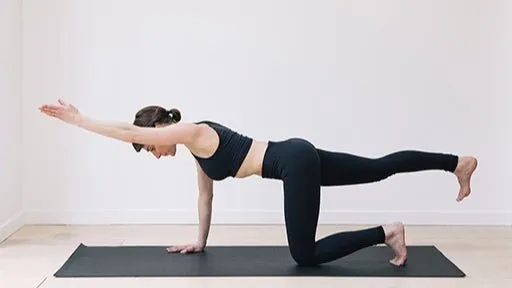
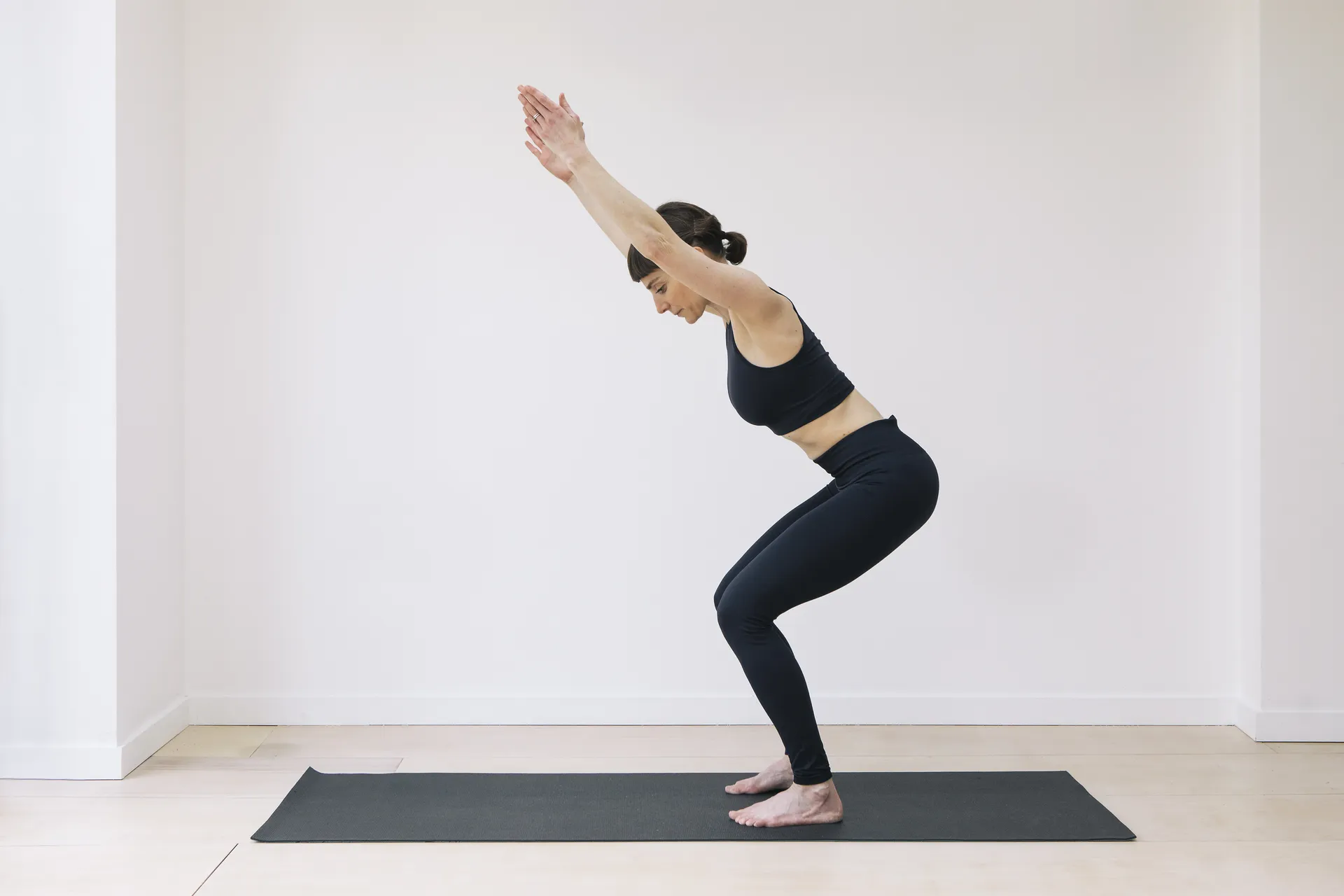
That is why the advice is rarely a flat yes or no to a whole category of movement. A Royal Berkshire NHS Foundation Trust patient leaflet on exercising with a pelvic organ prolapse describes most low impact exercise as generally safe, while naming specific activities, including running, jumping, deep squats, deadweight lifting and abdominal crunches, as ones that place more downward load through the pelvic floor than it may be able to react against strongly enough. The same leaflet lists swimming, water based classes, power walking, seated cycling, cross training, and yoga or Pilates with uncomfortable positions adapted, as options that are commonly well tolerated.
Research on exercise and prolapse is still developing, and it is more mixed than a simple safe list versus avoid list suggests. A 2023 scoping review in the International Urogynecology Journal looked at strenuous physical activity and exercise across a range of sports and found prolapse symptom prevalence ranging from 0 to 23 percent depending on the activity studied, with the highest rates reported among competitive Olympic weightlifters and powerlifters, and more moderate rates, around 5 to 13 percent, among runners (Bo et al, 2023). The same review found that some studies measured increased vaginal descent immediately after a single bout of high impact exercise, but it is not yet clear whether that short term change translates into lasting worsening over time. The authors describe the overall evidence as still scant and equivocal, and note that individual factors, including connective tissue and any previous pelvic floor injury, likely affect how any one person responds. In plain terms, this tells us some activities are more strongly associated with prolapse symptoms in groups of people, not that any specific exercise will definitely cause or worsen a prolapse in you personally.
What tends to be well tolerated, and what commonly needs a closer look
Based on current NHS patient guidance, exercise that many people with a prolapse continue without difficulty includes walking, swimming and water based exercise, seated cycling or spinning, cross training, and yoga or Pilates with positions adapted where something feels uncomfortable. Gentle strength work is often included too, alongside ongoing pelvic floor muscle exercises, sometimes with a bracing technique, often called the Knack, where you gently engage the pelvic floor just before a cough, sneeze, or lift.
Activities that NHS guidance more commonly flags for a closer look include running, jumping, deep squats, heavy or deadweight lifting, and abdominal crunches, largely because of the downward pressure they place through the pelvis. This does not mean these activities are permanently off the table for everyone. Some people build back toward higher impact training over time, guided by how their symptoms respond and, where needed, by a pelvic health physiotherapist. What a generic list cannot do is tell you which category your own situation falls into, since that depends on your prolapse type and grade, your symptoms, and your training history, none of which a written guide can assess for you.
It can help to think of the core and pelvic floor as working together as a pressure system, a bit like a canister that needs its top, bottom and sides to move as a team. This is a useful way to picture how effort travels through the body during exercise, but it is a simplification, and symptoms alone cannot tell you how well that system is coordinating in your particular case. That is something assessment can help clarify, not something you can conclude from how an exercise feels on a single occasion.
Everyday habits outside the gym matter too. Straining on the toilet is a recognised contributor to symptoms, so NHS guidance commonly suggests resting your feet on a low stool to bring your knees above your hip level when opening your bowels, drinking enough fluid through the day, and eating enough fibre to keep stools easy to pass. If constipation is a regular issue for you alongside prolapse symptoms, our guide to managing constipation and prolapse goes into this in more detail.
Where Hypopressives fit in
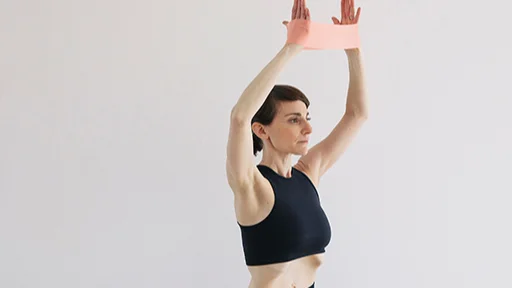
Hypopressives are one movement approach some people explore as part of a wider plan for pelvic floor and core support. They do not replace assessment, supervised pelvic floor muscle training where that is recommended, or physiotherapist guided treatment, and they are not a guaranteed way to reverse or repair a prolapse. Some people find the low pressure breathing pattern a comfortable way to keep training core and pelvic floor coordination without the same downward load as crunches or heavy lifting, but research in this specific area is still developing, so it is worth treating this as one option to discuss at assessment rather than a proven substitute for individualised advice. If you are specifically weighing up whether this approach could make things worse rather than better, our article on whether Hypopressives can make prolapse worse looks at that question directly.
Questions worth asking at your appointment
If you are due to see a GP or pelvic health physiotherapist, it can help to go in with specific questions rather than a general “is exercise okay” query, since a specific question usually gets a more useful, individual answer. Worth asking:
- “Given my type and grade of prolapse, are there particular movements you would want me to be cautious with right now?”
- “I currently do [activity], is that something to continue, adapt, or pause for now?”
- “If I want to build back toward running or lifting, what would that progression look like for me?”
- “What would ‘symptoms getting worse’ actually look like day to day, so I know what to watch for?”
Tracking what you notice for a week or two before your appointment, including which activities seem to bring on heaviness or a dragging sensation and which do not, gives a clinician something concrete to work from, rather than trying to recall it all in the room.
When to Seek Assessment
This guide is educational and cannot assess your particular prolapse or tell you which exercises are right for you. Arrange an assessment with a GP or pelvic health physiotherapist if you notice a new or worsening bulge or dragging sensation, new difficulty emptying your bladder or bowel, bleeding that is not related to your period, pain during exercise or intercourse, or if your symptoms are affecting your daily activities. It is also worth seeking assessment before starting a new or higher impact exercise programme if you have not been assessed since your prolapse was identified, so any advice you get is based on your actual situation rather than a general guide.
If you already know which type of prolapse you are managing, our guides to safe supportive exercises for bladder prolapse and exercises for prolapsed uterus relief go into more specific detail than this general overview, and our article on why prolapse symptoms can feel worse on some days looks at what day to day changes can and cannot tell you.
Sources
- Royal Berkshire NHS Foundation Trust (2024): Exercising with a pelvic organ prolapse, patient information leaflet
- Bø et al. (2023): Strenuous physical activity, exercise, and pelvic organ prolapse, a narrative scoping review, International Urogynecology Journal
- NHS Tayside: How to improve your prolapse symptoms