Diastasis Recti Symptoms: What They Feel Like & How to Fix Them
When I started teaching Postpartum Pilates and worked with new mums with Diastasis, all that I had learnt on trainings became a reality in front of my eyes, and I realised that this was not a regular “lets get the core stronger” situation. All that I had done before having kids no longer seemed to work. “Bouncing Back” is the narritive we hear, and yet, for so many women, it doesn’t, not without the right support.
Diastasis Recti affects a significant number of women during and after pregnancy, yet it remains widely misunderstood and under diagnosed. Many women live with the symptoms for years, assuming that what they’re experiencing is simply the price of having had children. It isn’t. And the first step to doing something about it is knowing what to look for.
What Is Diastasis Recti?
Diastasis Recti – sometimes called “mummy tummy” or abdominal separation – occurs when the two sides of the rectus abdominis muscle separate along the linea alba, the connective tissue that runs down the centre of the abdomen. This separation happens as the uterus expands during pregnancy, placing increasing pressure on the abdominal wall.
It is not a tear or a rupture. It is a widening and thinning of the connective tissue, which reduces the ability of the core to function as a stable, integrated unit. This has knock-on effects throughout the whole body – far beyond the appearance of the tummy.
7 Diastasis Recti Symptoms to Look Out For
1. A visible ridge or dome along the midline
This is one of the most obvious signs of Diastasis Recti. This bulge, ridge, or dome appears along the middle of the abdomen, especially when you sit up from lying down, cough, or engage your core. This happens because the connective tissue is no longer providing enough support, and the internal pressure has nowhere to go but out.
What it feels like: A soft, almost jelly-like protrusion down the centre of your tummy. Some women describe it as looking like a fin or a ridge beneath the skin.
When to be concerned: If the doming is pronounced, persistent, or accompanied by pain, it is worth seeking assessment from a women’s health physiotherapist before returning to any core exercise.
2. Lower Back Pain
The deep core muscles and the pelvic floor work together as a pressure management system. When Diastasis Recti is present, that system is compromised, and the lower back is often the first place to feel it. Without adequate core support, the muscles of the lower back are forced to compensate, leading to chronic tension, aching, and fatigue.
What it feels like: A persistent dull ache in the lower back, often worse after prolonged standing, carrying children, or any activity that loads the spine.
When to be concerned: If your back pain is severe, radiates down the leg, or is accompanied by bladder or bowel changes, always seek medical advice.
3. Pelvic Floor Dysfunction
Diastasis Recti and pelvic floor dysfunction are deeply connected – far more so than most women are told. The linea alba is part of the same fascial system as the pelvic floor, which means that when one is compromised, the other is almost always affected too. This can show up as urinary leaking, urgency, heaviness, or a feeling of pressure in the pelvis.
What it feels like: Leaking when you sneeze, cough, jump, or laugh. A sense of heaviness or dragging in the pelvic region. Difficulty fully emptying the bladder or bowel.
When to be concerned: Any pelvic floor symptoms warrant assessment. Please do not accept these as normal, they are common, but they are not something you simply have to live with.
4. Pain in the hips and pelvic girdle
The pelvis is the base of the whole body, and when the core isn’t working right, the hips and pelvis often feel the effects. Many women with Diastasis Recti have hip pain, sacroiliac joint pain, or a general feeling of instability in the pelvis, especially when they walk, climb stairs, or carry things.
What it feels like: Aching or sharp pain in one or both hips. A clicking or unstable feeling in the pelvis. Discomfort that is worse on one side.
When to be concerned: Persistent hip or pelvic pain should always be assessed, particularly if it is affecting your ability to move freely and comfortably.
5. A Persistent “Mummy Tummy” That Doesn’t Respond to Exercise
This is the symptom that brings many women to me. They have been exercising consistently (sometimes intensively) and yet the lower abdominal pouch remains. In some cases, it actually gets worse. This is because traditional core exercises like crunches and sit-ups increase intra-abdominal pressure, which pushes outward on already weakened connective tissue and can widen the separation further.
What it feels like: A soft, rounded lower belly that feels disconnected from the rest of your body. A sense that no matter what you do, nothing changes.
When to be concerned: If your tummy is getting worse despite exercise, stop and seek assessment. The wrong exercise at this stage can set your recovery back significantly.
6. Bloating and Digestive Issues
The relationship between Diastasis Recti and bloating is one that surprises many women. When the abdominal canister, the system of muscles and fascia that contains and manages pressure in the trunk, is not functioning properly, digestion can be affected. Poor core support can slow gut motility and contribute to a feeling of persistent bloating, particularly by the end of the day.
What it feels like: Significant bloating that seems disproportionate to what you have eaten. A feeling of fullness or distension that worsens as the day goes on.
When to be concerned: If bloating is severe, accompanied by pain, or significantly affecting your quality of life, always rule out other causes with your GP.
7. Bad posture and rib flare
When the core isn’t giving enough support, the body finds other ways to stay upright. This usually leads to a typical posture pattern: the pelvis tilts forward, the lower back curves too much, and the lower ribs flare out. Over time this becomes habitual, and many women don’t even realise it is happening.
What it feels like: A sense of “sticking out” through the lower ribs. Difficulty standing tall without effort. Tension across the upper back and shoulders from compensating for a weak core.
When to be concerned: Postural changes that are causing pain or affecting your movement deserve attention. A good Hypopressives or Pilates practitioner can help you identify and address these patterns.
How to Self-Check for Diastasis Recti at Home
While a proper assessment from a women’s health physiotherapist is always the gold standard, a simple self-check can give you a useful starting point.
Here’s how to do it:
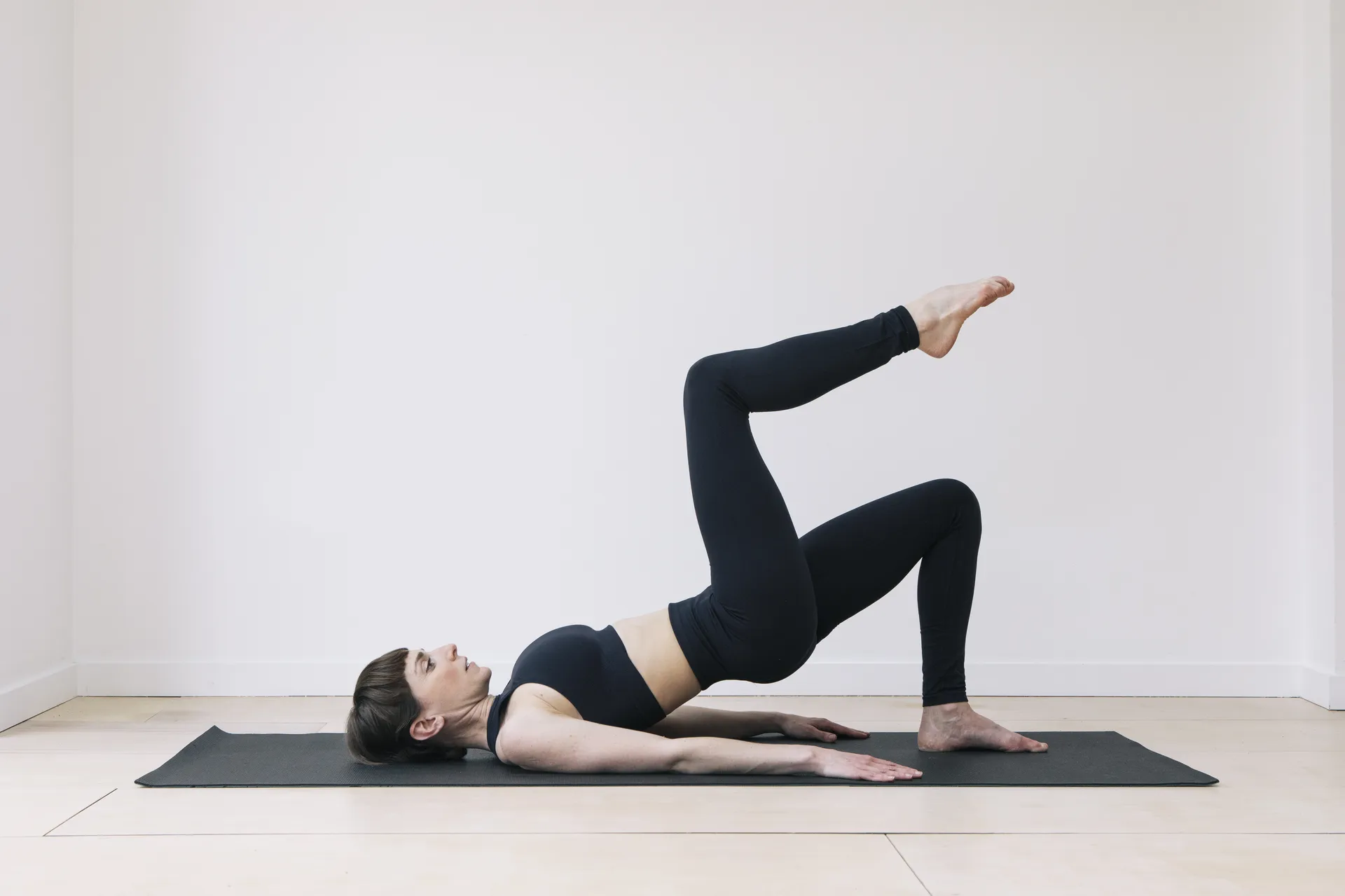
- Lie on your back with your knees bent and feet flat on the floor
- Place your fingertips horizontally across your midline, just above your belly button
- Slowly lift just your head and shoulders off the floor – as if beginning a crunch
- Feel for a gap between the two ridges of muscle on either side of your midline
- Note how many fingers fit into the gap, and whether the tissue beneath your fingers feels firm or soft
What you’re looking for: A gap of more than two finger-widths, or tissue that feels soft and unsupportive, may indicate Diastasis Recti. The depth and tension of the gap matters as much as the width – a narrow gap with poor tissue tension can be just as significant as a wider one.
A self-check is a starting point, not a diagnosis. Please use it as a reason to seek proper support, not as a reason to panic.
Movements and Exercises to Avoid With Diastasis Recti
This is one of the most searched topics around Diastasis Recti, and for good reason. The wrong exercise can genuinely make things worse, and many women are unknowingly doing exactly that.
Avoid or modify the following:
- Crunches and sit-ups — these create a significant spike in intra-abdominal pressure and push directly outward on the weakened linea alba
- Double leg lifts — the load placed on the lower abdominal wall is too great for a compromised core to manage
- Heavy lifting without proper core preparation — particularly anything that causes breath-holding or bearing down
- Valsalva breathing — holding the breath and bearing down during exertion dramatically increases intra-abdominal pressure
- High-impact exercise — running, jumping, and HIIT place repeated downward pressure on the pelvic floor and outward pressure on the abdominal wall
- Planks and push-ups — in the early stages, the load through the midline can be too much; these can be reintroduced progressively once the core is stronger
The goal is not to avoid exercise forever, it is to build the right foundation first, so that you can eventually return to everything you love doing.
What Actually Helps: Hypopressives and Diastasis Recti
Unlike traditional core exercises that work by increasing intra-abdominal pressure, Hypopressives work by reducing it. The technique – a combination of specific breathing patterns and postural positions – creates a vacuum effect within the abdominal cavity, drawing the deep core muscles inward and upward without any bearing down or straining.
This makes Hypopressives uniquely well-suited to Diastasis Recti recovery. Over time, consistent practice helps to:
- Restore tone and tension to the linea alba
- Rebuild deep core strength from the inside out
- Improve pelvic floor function
- Reduce the visible separation
- Address the postural patterns that contribute to ongoing strain
I have worked with hundreds of women with Diastasis Recti, and the results I see from consistent Hypopressive practice never stop moving me. Women who had been told their bodies would never be the same again discovering that, with the right approach, real change is possible.
Diastasis Recti After a C-Section
Something that surprises many women is that Diastasis Recti is not only a vaginal birth issue. A C-section can be associated with Diastasis Recti too, and in some ways, the recovery picture is more complex. The abdominal wall is cut and repaired during surgery, and the healing process, combined with the physical demands of caring for a newborn, means that the core is often under significant strain before it has had a chance to fully recover.
The pressure dynamics are slightly different after a C-section compared to a vaginal birth, but the result can be the same: a gap along the linea alba, reduced core stability, and a pelvic floor that is trying to compensate for a system that isn’t functioning as it should. I also find that women who have had C-sections are sometimes told to simply wait for the scar to heal, before doing any exercise, without being given any guidance on what to do when that point arrives.
The principles for managing Diastasis Recti after a C-section are the same as after any birth: avoid exercises that create downward or outward pressure on the abdominal wall, focus on restoring deep core function first, and build load progressively from there. Hypopressives are particularly well suited to post-C-section recovery, because the technique works without placing any direct tension through the healing scar tissue.
When to start: Always get clearance from your GP or midwife before beginning any structured exercise after a C-section. Most women can begin very gentle breath work and light core reconnection from around 6 weeks, with a gradual return to full Hypopressive practice from 12 weeks depending on how healing is progressing. If you have any concerns about your scar, a women’s health physiotherapist can assess it directly.
Pilates and Diastasis Recti: What You Need to Know
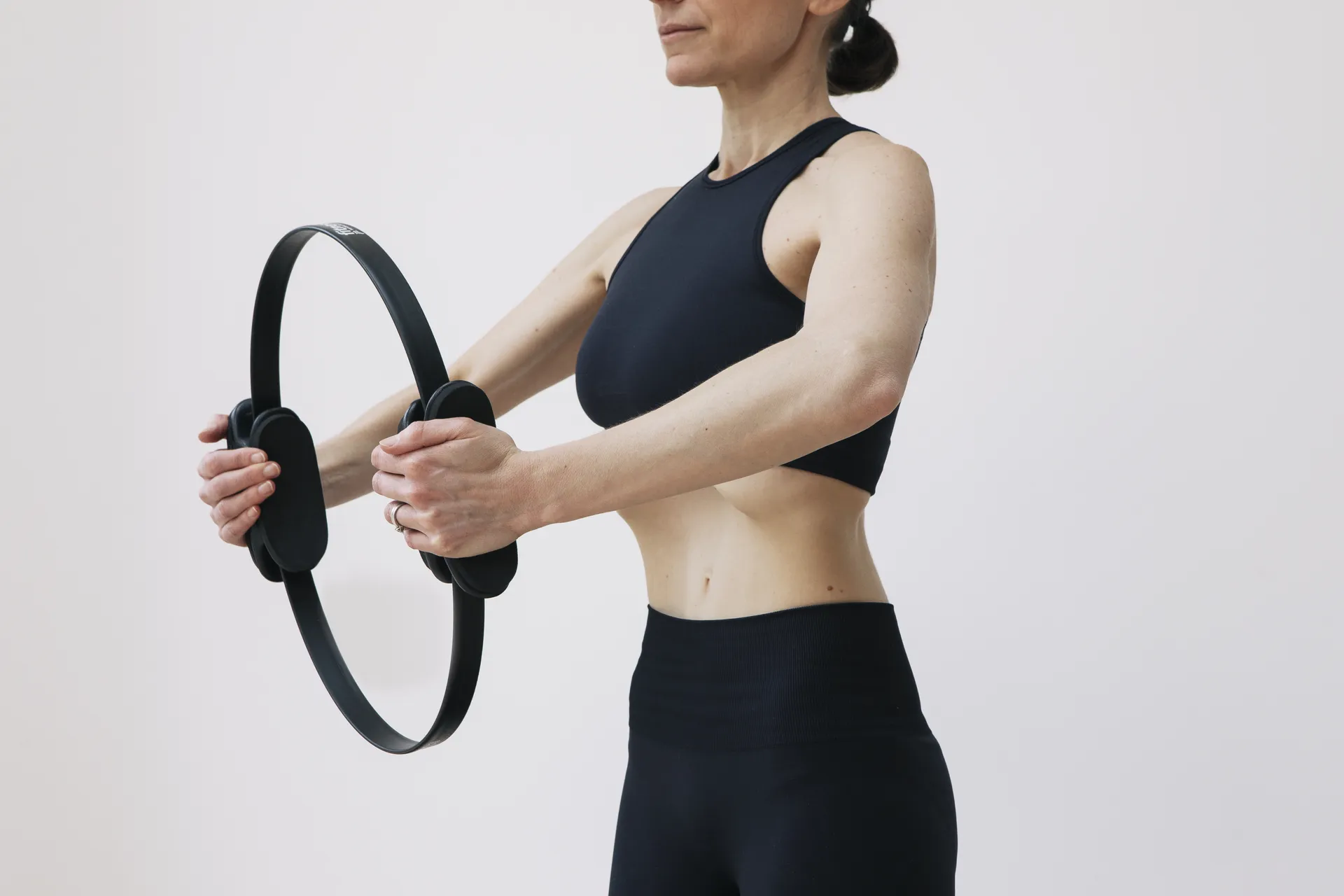
Pilates is one of the most common things women turn to when they are trying to address Diastasis Recti, and with good reason. Pilates emphasises deep core engagement, controlled breathing, and functional movement patterns, all of which are relevant to diastasis recovery. But not all Pilates is created equal, and this is where it gets nuanced.
Traditional Pilates exercises, particularly the more advanced ones can include movements that significantly increase intra-abdominal pressure: double leg lowers, the hundred, roll-ups, and oblique crunches. If your linea alba does not yet have enough tension and coordination to manage that load, these exercises can work against your recovery rather than support it. The tell-tale sign is doming or coning along your midline during the movement.
Pelvic floor-aware Pilates taught by an instructor who understands Diastasis Recti specifically, is a different matter entirely. It modifies or avoids the high-pressure exercises, prioritises the deep core (transversus abdominis) over the superficial muscles, and integrates breath management throughout. This version of Pilates can be a genuinely useful part of diastasis recovery.
At re-centre, I use Hypopressives as the foundation and layer in Pilates principles as the core becomes stronger and better coordinated. The two approaches complement each other well: Hypopressives address the pressure management and reflex activation; Pilates builds functional strength and movement patterns. Together they give you a complete toolkit for recovery.
The short answer: Yes, Pilates can be beneficial for Diastasis Recti, but the type of Pilates and the stage of your recovery matter. If you are in the early stages, or if you have been doing Pilates and not seeing improvement (or things are getting worse), Hypopressives are where I would start.