Diastasis recti is something all pregnant women experience, but troubles arise when it sticks around well after birth. It may resolve itself within a matter of weeks, but some women will continue to notice a prominent separation down the middle of their Rectus Abdominis (six-pack muscles) months or even years later.
Why it’s Important to Recover from Diastasis Recti
Although many moms are eager to get back to their pre-baby selves again, this isn’t the most pressing reason to address Diastasis Recti. Untreated Diastasis Recti can lead to compounding complications like back pain, organ prolapse, incontinence, poor posture, and bloating.
Bloating is one of the most common symptoms of Diastasis Recti, yet many women have never been taught why it can be caused by abdominal wall separation. It all comes down to understanding the form and function of the core muscles.
Core Muscle Anatomy as The Missing Link to Understand Belly Bloat
Core muscles don’t just refer to the trendy washboard abs you’ve seen on movie stars. Instead, it refers to an entire set of muscles in the abdomen and pelvic region. They help support the spine and organs while also creating a centre of stability for the entire body.
Among these essential muscles is a large sheet-like muscle called the Transverse Abdominis that wraps horizontally around the waist much like a corset. This muscle is often weak and underactive in women with Diastasis Recti, and this is one of the reasons the condition is associated with bloating.
The action of the Transverse Abdominis is to create wall tension for internal support. It helps support the low back, but more to the point it holds the internal organs in place. After eating the stomach expands, and if the Transverse Abdominis isn’t able to hold the stomach in place, a noticeable bloat can easily appear.
This means Diastasis Recti doesn’t cause bloating per se, but instead it makes bloating more noticeable thanks to the weakened tension of the abdominal container. This is further exacerbated by stretched out connective tissue down the midline of the Rectus Abdominis. This likewise reduces supportive tension in the abdominal cavity and leaves the belly prone to collapse forward after eating a meal.
How Hypopressives Can Reduce Postpartum Belly Bloating
Women don’t have to accept their new tendency to bloat after even a small meal as a life sentence. Restoring healthy tension in the core canister by gently drawing the Rectus Abdominis back together is a key part of postpartum physical rehabilitation.
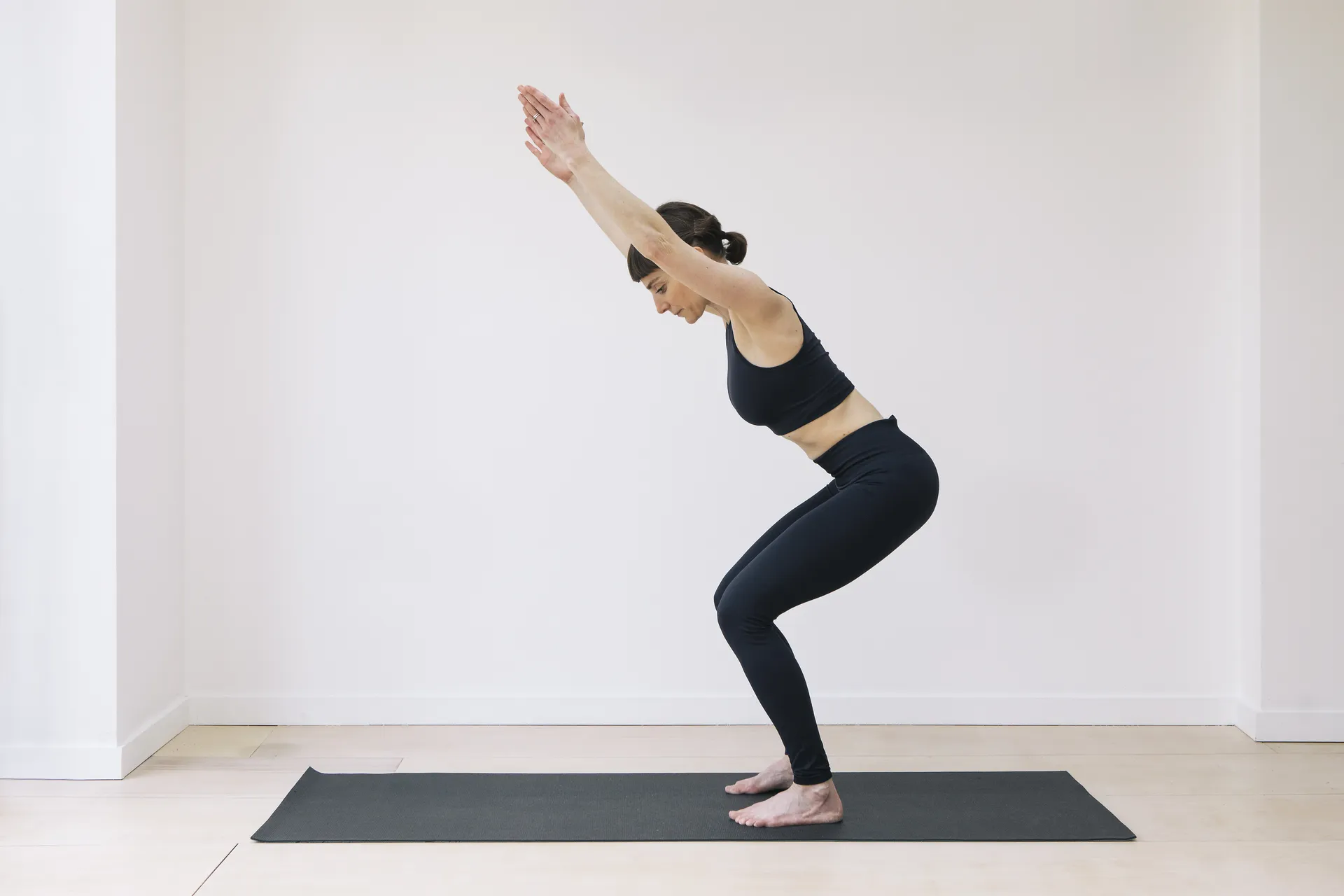
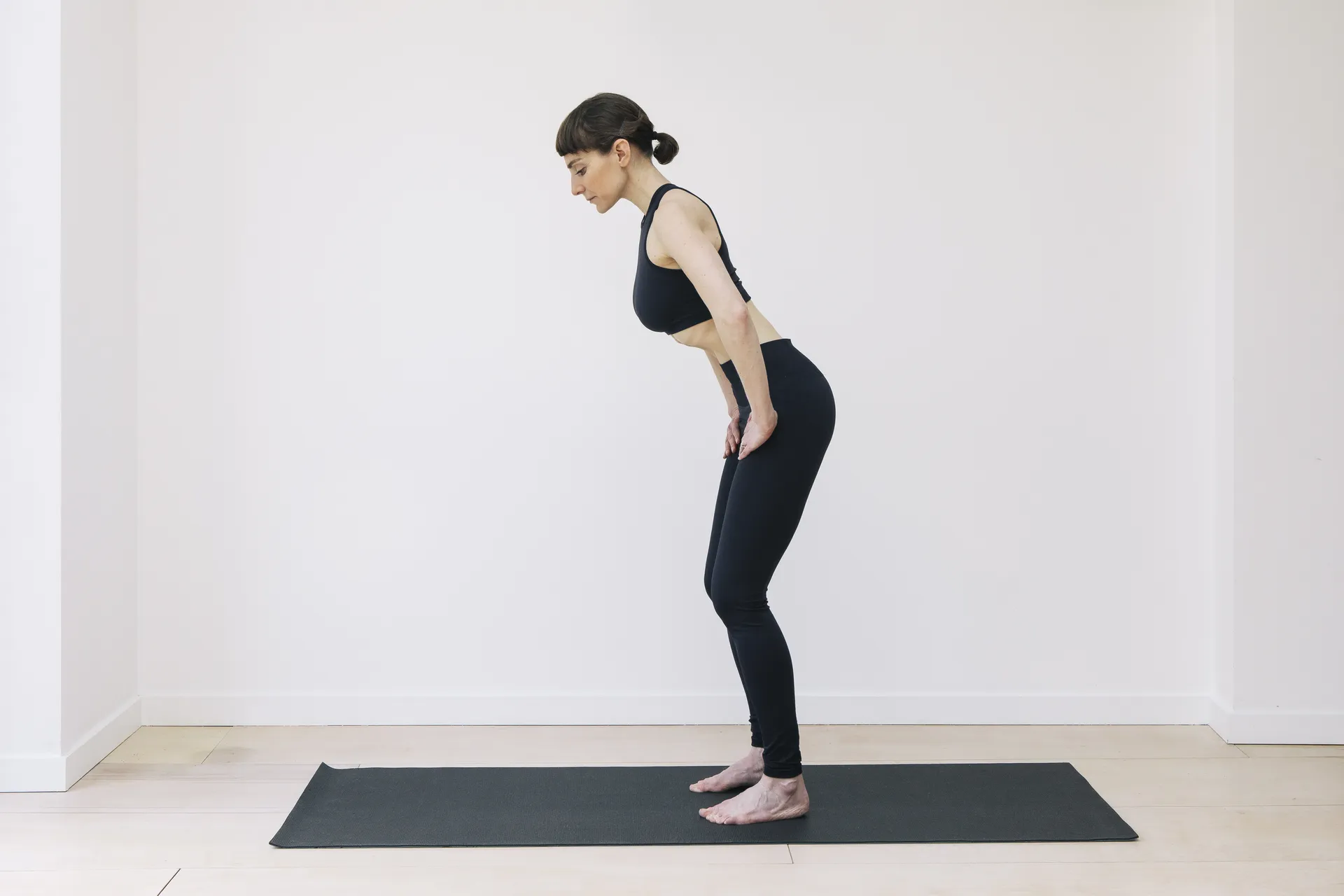
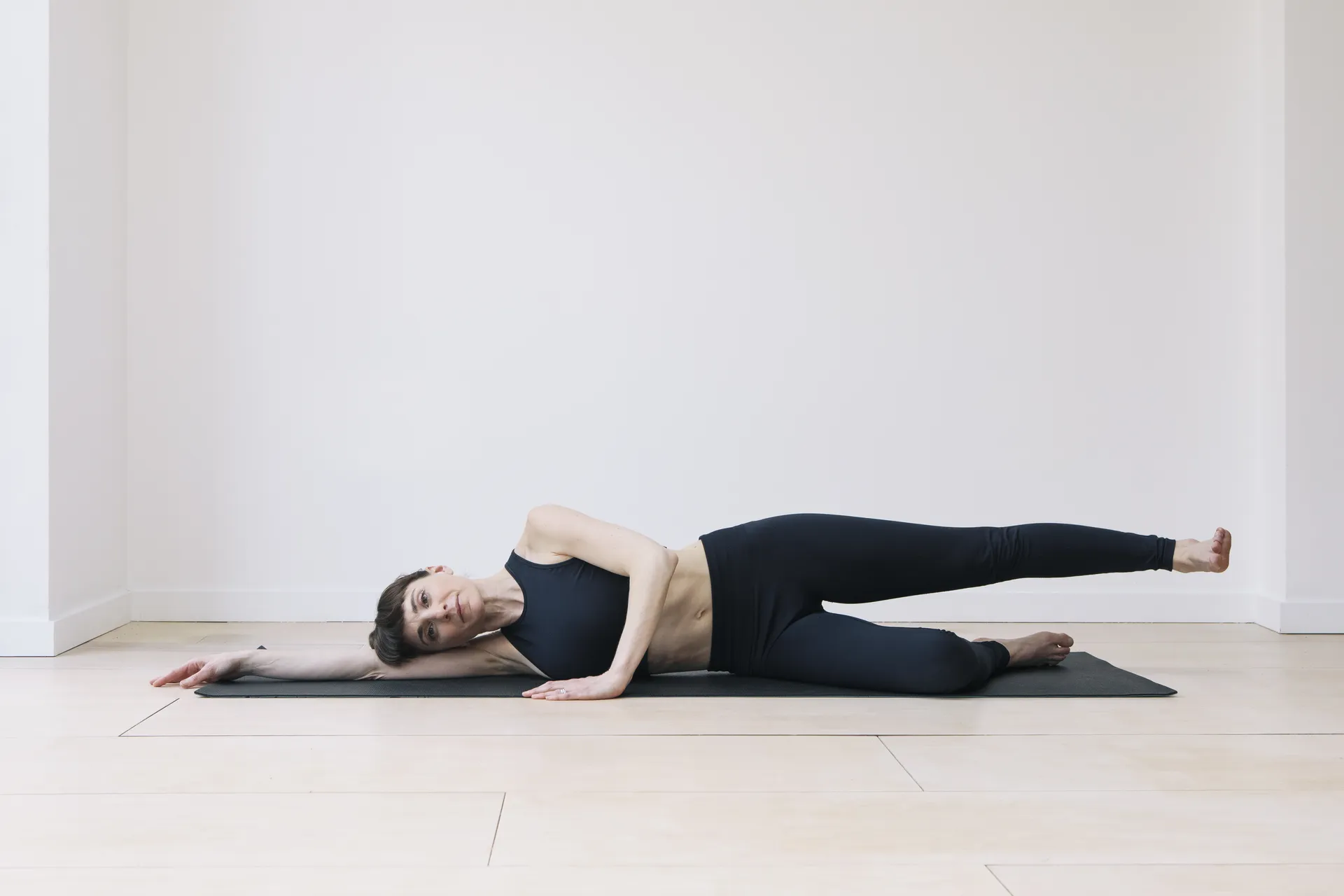
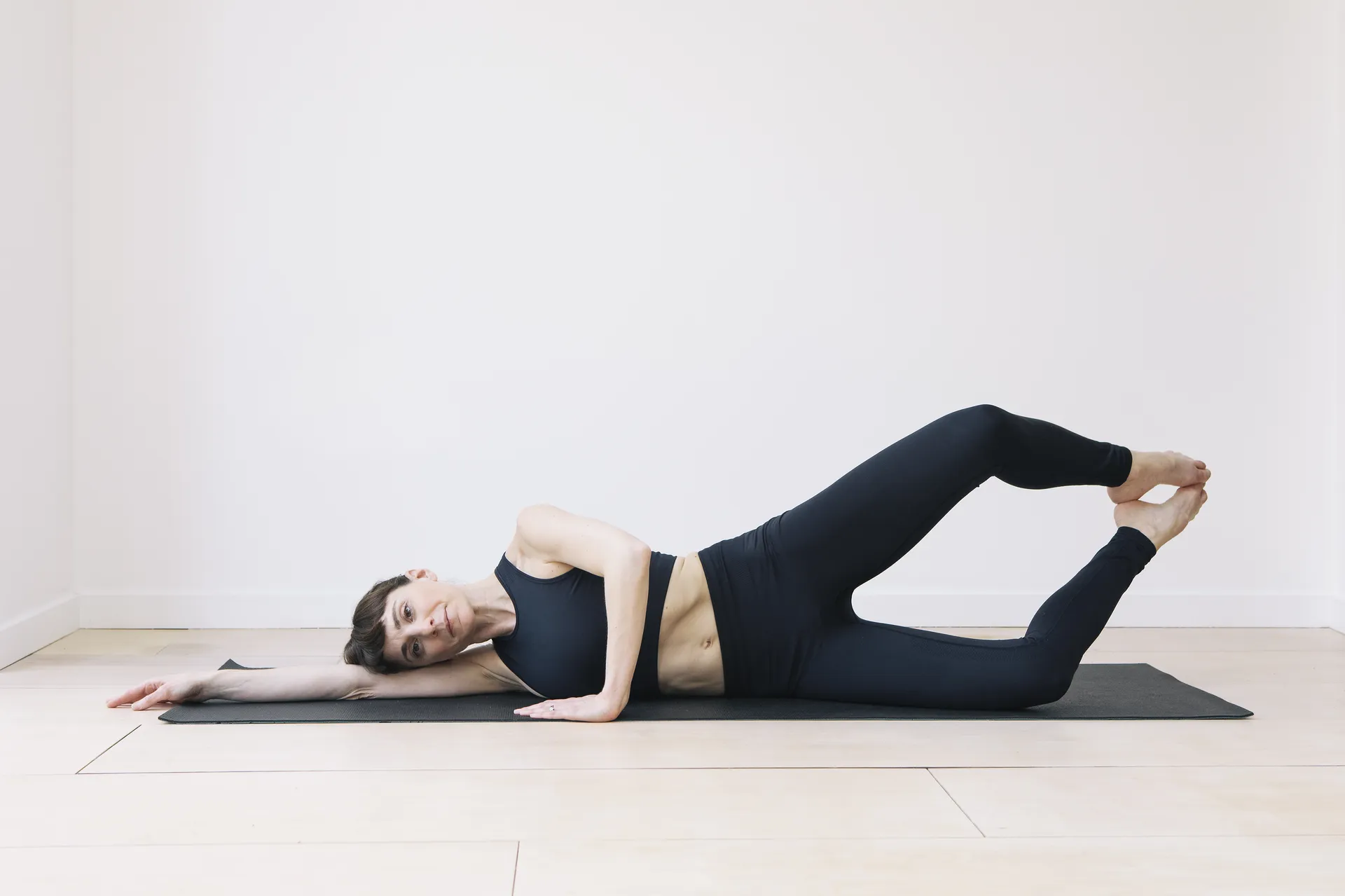
Diastasis Recti exercises can be done safely and effectively through Hypopressive exercise techniques. These techniques work the innermost layers of the core in a gentle manner to create a natural functional pressure system using a combination of breath, postural alignment, and movement.
Getting Started With Hypopressives
For the Hypopressives classes it is important that you learn the Breathing/Apnea technique properly so that you can get the most out of the classes and the time you invest in yourself. Each week Simone runs Fundamentals sessions on Zoom where she explains the technique and guides you through all the steps.
She will also give you feedback to make sure that you’re doing it correctly. For some, the technique may come more quickly than others. Some of her clients, who are tighter in the ribs and thoracic spine do tend to take a little longer. And here’s the golden rule – for impactful change, Simone recommends at least three 15 to 20-minute workouts per week. Consistency is your best friend on this journey towards wellness.