Understanding the Link Between Constipation and Prolapse
You know that uncomfortable feeling when something just isn’t quite right “down there”?
The heaviness, the bulging, the constant pressure?
It’s a prolapse, something too many women deal with in silence.
Some women who have a prolapse also suffer from constipation and this can make things feel even worse and frustrating. Here is the good news. If you can get your constipation under control, it can be a game changer for relieving prolapse symptoms.
Keep reading to learn how small changes can make a big difference – let’s get started.
Why Straining Makes Prolapse Worse
Straining to pass stool isn’t just uncomfortable; it can be a major issue for women with rectal prolapse.
Every time you push, it’s like adding weight to an already fragile structure.
Straining increases pressure inside your abdomen, putting undue strain on your pelvic floor muscles, the ones responsible for holding everything in place.
Over time, this can weaken those muscles, making prolapse and constipation symptoms worse.
Straining pushes your organs downward, worsening issues like vaginal bulging, urinary leakage, and pelvic pressure.
Eat Your Way to Relief: Nutritional Tips for Managing Constipation
When it comes to constipation, your diet can be your best friend.
Fiber is your secret weapon.
It helps keep things moving and prevents you from getting stuck.
There are two types of fiber that you must embrace as part of your everyday eating plan.
- Soluble fiber: This type of fiber is found in foods like oats, apples, and beans, it absorbs water and softens stool.
- Insoluble fiber: Here we are talking about whole grains and vegetables, it adds bulk to stool, helping it pass through the digestive system.
Aim for 25 to 30 grams of fiber daily.
But here’s a tip: don’t try to eat it all at once!
Gradually add fiber to your meals to avoid bloating.
Some easy wins include:
- Oats, barley, and whole wheat bread
- Leafy greens, carrots, and sweet potatoes
- Apples, pears, and berries
But fiber alone won’t cut it—you need hydration too as this will help soften your stool and make it easier to pass. Your goal is to gradually drink a minimum of 8 glasses each day. Here is a useful tip, drink a glass of water before each meal and then keep a large bottle of water with you while you are doing daily tasks, working or commuting.
How Hypopressives can Provide Relief and Reverse Prolapse
We used to think that the organs of the pelvis “fell out” because of weakness in the pelvic floor. The answer to this seemed to be, do a great number of Kegel exercises to target those weak pelvic floor muscles. Unfortunately, the reality for many women has been that they have not worked to solve their problems. What we now know is that the pelvic organs don’t “fall out”, but they are pushed out, by increased intra-abdominal pressure. We therefore need to look at the pressure system that exists in our core canister, known as Intra-abdominal pressure.
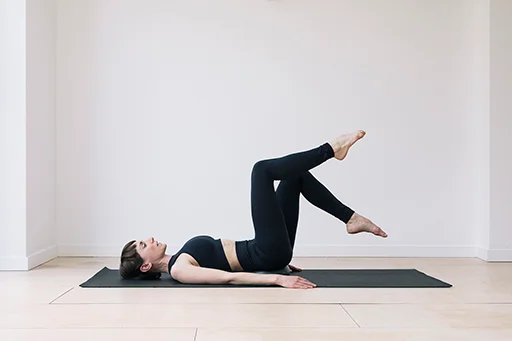
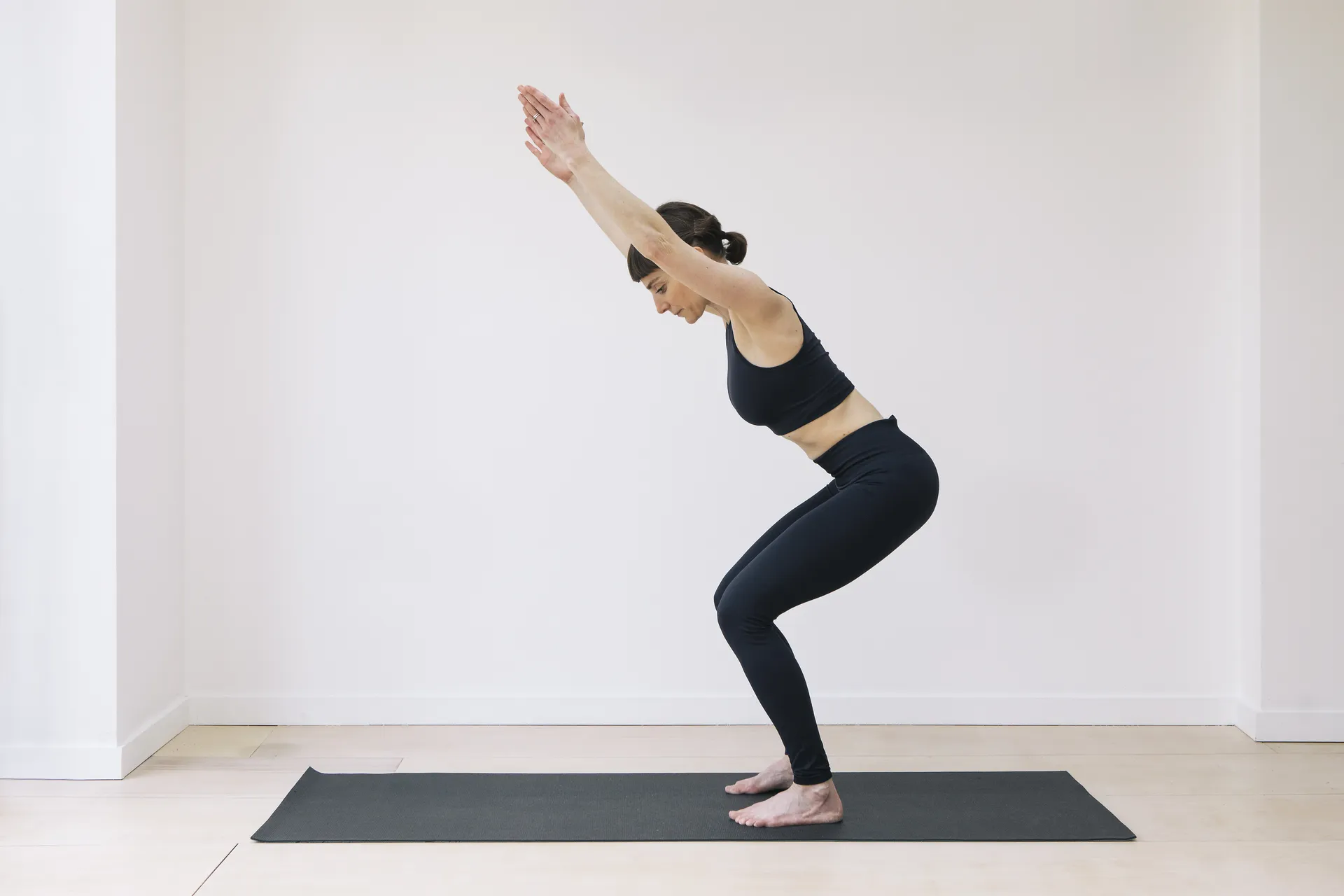
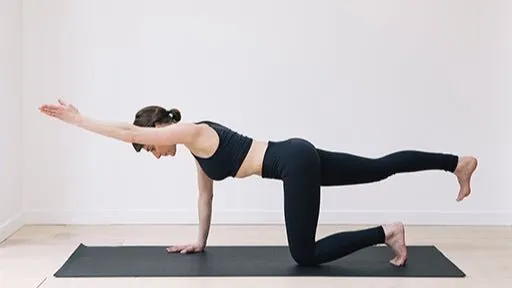
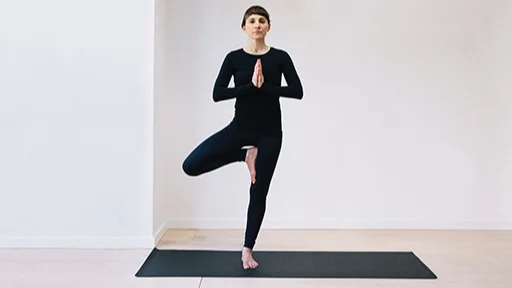
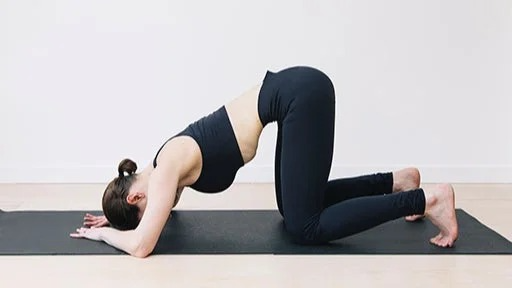
Hypopressives is a combination of breathing exercises and body positions that focus on how the body restores itself from the inside. These postpartum pelvic floor exercises work by lowering intra-abdominal pressure, building core strength from the inside out, and strengthening muscles like the pelvic floor and transversus abdominis.
The vacuum effect generated by this breathing technique not only activates the diaphragm but also engages key deep core muscles such as the transverse abdominis, pelvic floor and multifidus muscles located in the lower back region. Working together these muscle groups provide stability and strength to support optimal functioning of the pelvic area.
Hypopressives not only increase the resting tone of the pelvic floor, with repeated training they also help the pelvic organs to sit higher and relieve the pressure and heaviness into the vagina.
And guess what?
While Hypopressives are an effective set of exercises for prolapse they also help improve posture, core stability, and overall pelvic health.
It’s all about creating a strong, supportive core that can help carry the load, so your pelvic floor isn’t doing it all alone.
When you practice regularly, you’ll notice more control and less discomfort, both in your pelvic region and in your digestion.
Getting started: Relieve Prolapse through Hypopressives
For the Hypopressives classes it is important that you learn the Apnea technique properly so that you can get the most out of the classes and the time you invest in yourself. Each week Simone runs Fundamentals sessions on Zoom where she explains the technique and guides you through all the steps. She will also give you feedback to make sure that you’re doing it correctly. For some, the technique may come more quickly than others. Some of her clients, who are tighter in the ribs and thoracic spine do tend to take a little longer.
And here’s the golden rule – for impactful change, Simone recommends at least three 15 to 20-minute workouts per week. Consistency is your best friend on this journey towards wellness.
As you get stronger, you’ll be able to build on these exercises for even more relief.
The sooner you start, the sooner you’ll feel the difference.
Remember, you’re not just managing your symptoms—you’re reclaiming your health.