How to Get Rid of Menopause Belly: What Actually Works
Something I see repeatedly in the women who come to re-centre: they are doing everything they were told to do, eating less, moving more, pushing through the fatigue, and their middle is still changing shape. The jeans that fit six months ago no longer do. The tummy feels different. Rounder. Softer. More stubborn.
You are not imagining it. And you are not doing anything wrong.
Menopause belly is driven far more by hormones, stress and muscle changes than by willpower or discipline. Once you understand what is actually happening underneath, you can stop chasing quick fixes and start using tools that work with your midlife body, without wrecking your pelvic floor in the process.
What is menopause belly?
“Menopause belly” describes an increase in fat around the waist and lower abdomen that many women notice in their 40s and 50s, often even when their overall weight has barely shifted. The shape can feel different to your usual weight gain. Rounder through the waist. A softer or more protruding lower tummy. Sometimes a feeling of fullness that wasn’t there before.
This shift is largely hormonal. As oestrogen levels fall, fat storage moves away from the hips and thighs and towards the abdomen, increasing both the subcutaneous layer under the skin and the deeper visceral fat that sits around the organs. That deeper fat matters beyond how your clothes fit. It is more strongly linked to insulin resistance, heart disease and metabolic changes, which is why this conversation is about long-term health, not just aesthetics.
The hormonal picture: why your belly changes
Oestrogen and fat distribution
Before menopause, oestrogen encourages a more “pear-shaped” fat pattern, with more storage on the hips and thighs, which is relatively protective for metabolism. During the menopause transition, falling oestrogen shifts fat storage towards the waist. Central body fat tends to increase even when the scales barely move.
Studies using imaging techniques show that visceral fat in the abdomen increases significantly across the menopause transition and is strongly linked to insulin resistance and cardiovascular risk. This helps explain why you can eat and move the way you always have and still see a very different result in your midsection. The rules have changed. It is not a personal failing.
Insulin, blood sugar and cravings
Lower oestrogen is also associated with reduced insulin sensitivity, meaning your body needs more insulin to manage the same amount of carbohydrate. Chronically higher insulin makes it easier to store fat around the belly and harder to access it for fuel.
Balanced, fibre-rich eating patterns (Mediterranean-style, with whole grains, vegetables, fruit, lean protein and healthy fats) improve blood lipids and cardiometabolic markers in postmenopausal women within weeks. Regular strength and interval training further improve the way muscles handle glucose. That combination is key for shifting abdominal fat.
Cortisol, stress and night-time wake-ups
Perimenopause is often a perfect storm for stress: career demands, caring responsibilities, ageing parents, plus disrupted sleep from night sweats and restless legs. Chronic stress and poor sleep increase cortisol, the body’s primary stress hormone, which is strongly linked with increased appetite, sugar cravings and belly-centred fat gain.
Cortisol pushes the body towards storing more visceral fat and encourages stress-eating patterns, particularly in women who already feel out of control around food. Here is what many women are not told: high-intensity training done too often, very low-calorie diets and fasted long workouts can all act as additional stressors in this context. They are not solutions. They are fuel on the fire.
Muscle loss and a slower metabolism
From your 30s onwards, you naturally lose muscle each decade if you are not actively strength training, and the drop in oestrogen appears to accelerate this loss. Less muscle means a lower resting metabolic rate. You burn fewer calories at rest than you did a few years ago.
This is one reason the old “just eat a bit less and move more” approach stops working. Without muscle, there is no engine to drive your metabolism. Preserving and rebuilding lean tissue through resistance training becomes non-negotiable if you want to change your body composition in menopause.
What doesn’t work anymore, and why
Crash diets and aggressive restriction
Crash diets (1,200-calorie meal plans, juice cleanses, cutting entire food groups) may give you a quick drop on the scales, but most of that is water, glycogen and muscle, not fat. Losing muscle further slows your metabolism and makes it easier to regain everything as soon as you eat normally again.
Research on postmenopausal women shows that repeated weight loss and regain (yo-yo dieting) is linked with a higher risk of coronary events, even in women who are not in the obese category. Very restrictive diets can also worsen mood, hot flushes and fatigue, things you are likely already managing.
Punishing cardio and daily HIIT
Cardio is still important for heart and brain health. But long, hard sessions back-to-back (daily bootcamps, back-to-back spin, long runs on very little fuel) add to your stress load. In a high-cortisol state, that extra stress can backfire: more fatigue, worse sleep, and stubborn belly fat that refuses to shift.
High-intensity interval training can reduce total and abdominal fat when used wisely. But more is not better, especially after 40. Above roughly 45 minutes of very hard intervals per week, the risk of fatigue and injury rises faster than the benefits, particularly if you are under-recovered.
Endless crunches and “sucking it in”
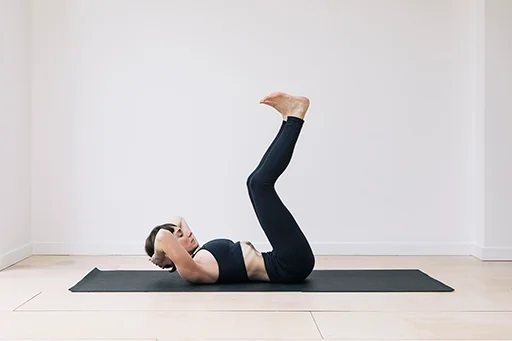
Many women respond to menopause belly by doubling down on sit-ups, planks and constantly holding the tummy in. For anyone with pelvic floor issues, prolapse or diastasis recti (common in women who have been pregnant), traditional high-pressure ab work can make symptoms worse by repeatedly increasing downward pressure on an already-compromised system.
These exercises also do very little for actual fat loss. They strengthen muscles under the fat but do not change where your body chooses to store energy. A menopause-friendly approach focuses on pressure-smart core work and whole-body strength, not chasing a flatter stomach through crunches alone.
What actually helps: a menopause-smart strategy
Instead of short-term hacks, menopause belly responds best to a calm, sustainable plan built around four pillars:
- Protecting and rebuilding muscle
- Supporting blood sugar and metabolism
- Calming the nervous system and lowering chronic stress
- Respecting your pelvic floor and core mechanics
At re-centre, this is where Hypopressives, pelvic-floor-focused Pilates and yoga sit alongside strength and low-impact cardio, not competing with them, but underpinning them.
Strength training: your non-negotiable
For midlife women, strength training is the closest thing to a magic bullet we have. It builds muscle, protects bone density, improves insulin sensitivity and supports joint health. Studies in postmenopausal women consistently show that exercise programmes with a resistance-training component improve body composition, increasing lean mass and reducing fat mass.
Practically, this means two to three strength sessions per week using weights that feel genuinely challenging by the last few repetitions of a set. Focus on big movements that recruit lots of muscle (squats, hip hinges, rows, presses), adapted to your pelvic floor and any joint considerations. Not just light bands or micro-pulses. Real load.
Intervals that work with you, not against you
HIIT is still useful. It just needs to be dosed carefully. Meta-analyses show that HIIT protocols can significantly reduce total and abdominal fat in women, particularly when layered onto a foundation of regular movement and strength training.
For menopausal bodies, low-impact intervals (cycling, incline walking, step-ups, gentle circuits) two to three times per week can be enough to drive change without over-stressing the system. Cycle-based HIIT, in particular, has been highlighted as joint-friendly and effective for postmenopausal women when programmes run for at least eight weeks. You do not need to destroy yourself to see results.
Hypopressives: pressure-smart core work for menopause belly
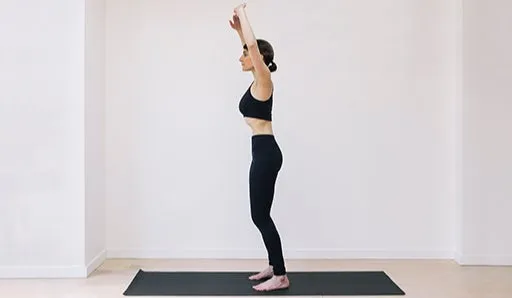
Hypopressives (also known as Low Pressure Fitness) are a series of postures and breathing techniques that create a gentle vacuum effect in the abdomen and trigger reflex activation of the deep core and pelvic floor. Instead of bearing down and bracing, you learn to reduce intra-abdominal pressure and build a more responsive support system through the diaphragm, rib cage, abdominals and pelvic floor working together.
Think of it as retraining the architecture of your core, rather than just loading it.
Research and clinical experience suggest Hypopressives can improve pelvic floor symptoms, posture and abdominal muscle tone, particularly in women with prolapse, incontinence or diastasis recti. They are not a fat-burning workout on their own. But they change how your core behaves, which influences the way your tummy looks and feels, and allows you to safely progress other training.
For many women at re-centre, Hypopressives become the foundation. A way to reconnect with the pelvic floor and deep abdominals before layering on heavier lifting, impact or running.
Pilates: shaping strength and control
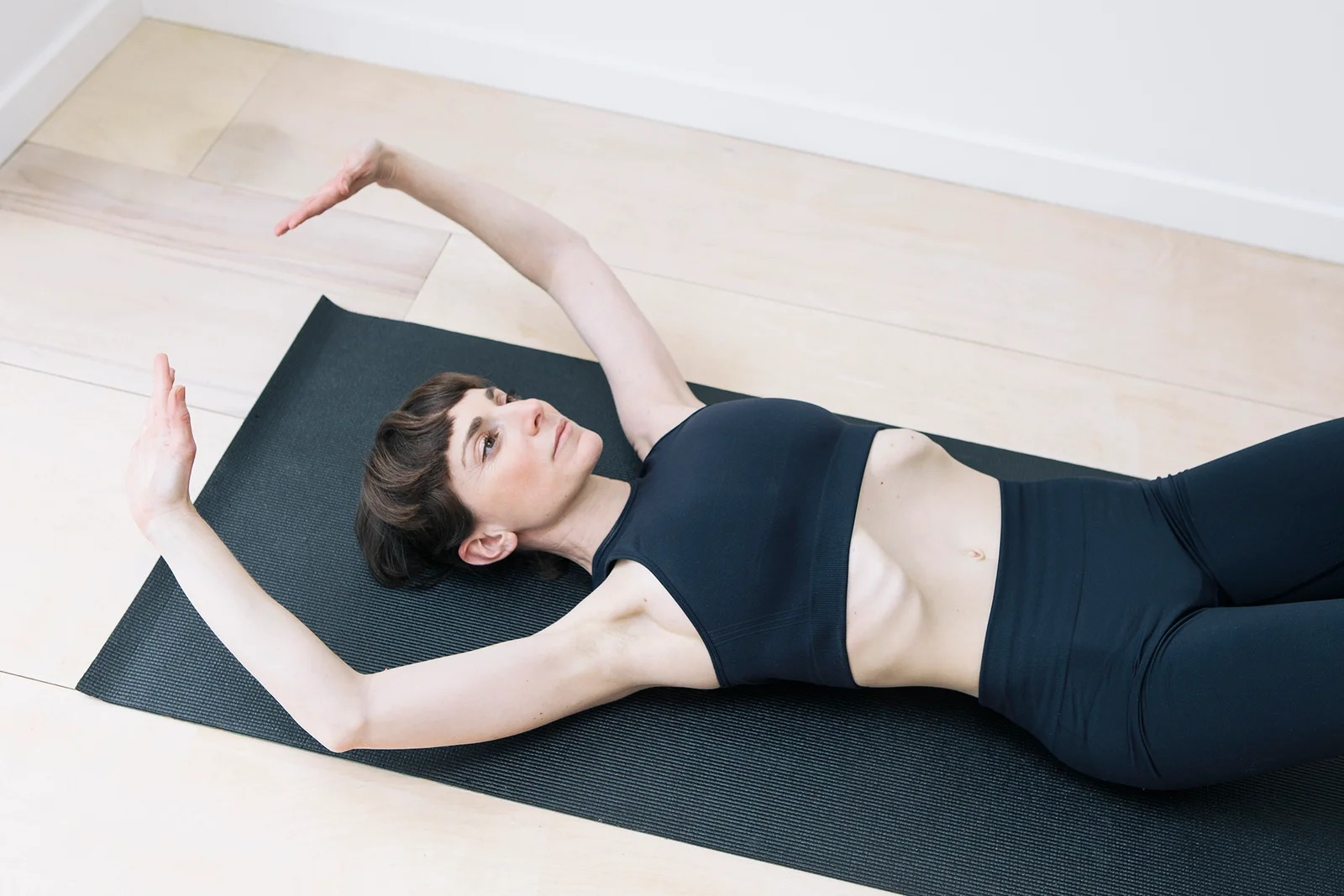
Pilates (both mat and reformer) offers a controlled, low-impact way to build strength and endurance in the abdominal wall, hips and back, while improving alignment and body awareness. Trials in postmenopausal women show that regular Pilates improves abdominal and lower-body strength, balance and functional performance, even when body weight does not change dramatically in the short term.
For women who feel intimidated by gyms, or who have knee, hip or pelvic floor considerations, Pilates can be the bridge between rehabilitation and more demanding training. It meets you where you are.
Yoga and mind-body movement: calming cortisol
Yoga brings together movement, breath and relaxation, three powerful levers for menopausal symptoms and stress-related belly fat. Regular practice has been associated with lower perceived stress, better sleep and improved body awareness, all of which indirectly support appetite regulation and weight management in midlife.
Sequences that emphasise gentle core engagement, spinal mobility and hip opening complement Hypopressives and Pilates beautifully. Restorative and yin-style practices are particularly valuable for down-regulating the nervous system if you are dealing with night sweats, anxiety or that “tired and wired” feeling that so many women in perimenopause describe.
The everyday habits that quietly change your middle
The movement you do all day (steps, stairs, gardening, walking to the shops) often has a bigger impact on your total energy expenditure than your formal workouts. Increasing your daily step count, breaking up long sitting periods and adding short movement breaks can improve blood sugar control and support weight regulation in midlife.
On the nutrition side, aim for mostly whole, minimally processed foods, enough protein at each meal to support muscle and bone, plenty of vegetables and fibre for gut health, and healthy fats for hormones. Instead of “perfect days”, think about patterns. How you eat, move, manage stress and sleep most of the time will matter more than any single choice.
When to get extra help
Sometimes, despite doing many of the right things, progress is slow or other symptoms are loud. That is your cue to get a proper assessment, not to push harder on diet and exercise.
It may be appropriate to discuss hormone replacement therapy, thyroid testing or cardiometabolic screening with a menopause-literate clinician, especially if you have a strong family history of heart disease or type 2 diabetes. Current evidence suggests that appropriately prescribed HRT does not reliably cause weight gain and may help limit abdominal fat and improve fat distribution in some women. It is not a weight-loss drug, but it is worth an informed conversation.
If you have pelvic floor symptoms (leaks, heaviness, bulging, pain), working with a pelvic health physiotherapist alongside a programme that includes Hypopressives, pelvic-floor-savvy Pilates and yoga is crucial. Menopause belly and pelvic floor health are deeply connected. You deserve support with both.
Your next steps with re-centre
If you recognise yourself in this article (the sudden tummy, the old tricks not working, the worry about leaks when you try to exercise) you are far from alone. The solution is not to shrink yourself with less food and more punishment. It is to rebuild your support system from the inside out.
At re-centre, we bring together:
- Hypopressives (Low Pressure Fitness) to retrain your core and pelvic floor with low pressure
- Pelvic-floor-focused Pilates to build strength and support around your centre
- Yoga and mindful movement to calm your nervous system and help you sleep
- Education on pressure management, menopause, and returning to the exercise you love
From here, you can start with a Hypopressives beginners’ pathway to reconnect with your core, layer in pelvic-floor-friendly Pilates and short, low-impact interval sessions as you feel ready, and use our yoga and breath practices to support stress, sleep and mood as your hormones shift.
You do not have to choose between a strong body, a calmer mind and a healthy pelvic floor in menopause. Done the right way, you can have all three. I have also written an article with specific exercises to reduce your menopause belly.